

Orthopedic injuries and fractures are time-critical emergencies requiring immediate diagnosis and intervention within 1-2 hours to prevent compartment syndrome, vascular compromise, permanent disability, and loss of limb from conditions including open fractures, dislocations, and crush injuries. Priority ER provides 24/7 orthopedic emergency services with zero wait times, board-certified emergency physicians trained in fracture reduction, immediate digital x-ray and CT imaging, comprehensive splinting and immobilization, and direct orthopedic surgery consultation. Located at 3800 E 42nd St, Odessa, TX. Call (432) 552-8208 immediately for severe injuries.
Orthopedic Injuries and Fractures Emergency Care in Odessa, Texas: 24/7 Life-Saving Treatment Guide
The first 1-2 hours after orthopedic injuries and fractures occur determines whether a patient receives limb-saving intervention before progression to compartment syndrome, vascular compromise, and permanent disability[1]. In West Texas, where orthopedic trauma accounts for 32% of all emergency department visits and delayed fracture reduction increases malunion rates by 285%[2], immediate access to advanced orthopedic imaging with digital x-ray and orthopedic surgery consultation becomes the difference between full recovery and chronic pain requiring multiple revision surgeries. Priority ER’s board-certified emergency physicians treat over 480 orthopedic injury cases annually, offering zero wait times and hospital-level acute fracture protocols that standard urgent care facilities cannot provide[3].
Unlike traditional urgent care centers that lack comprehensive orthopedic imaging and surgery coordination, Priority ER operates 24/7 emergency services with immediate access to digital x-ray detecting fractures within 10 minutes, CT imaging for complex fractures requiring surgical planning, comprehensive pain management including nerve blocks and IV analgesics, closed reduction and splinting restoring anatomic alignment, and direct orthopedic surgery consultation for patients requiring open reduction internal fixation (ORIF), external fixation, or emergency surgery for open fractures. Our COLA-certified laboratory[4] provides hemoglobin levels detecting significant blood loss and coagulation studies assessing bleeding risk before surgery, while our direct hospital admission capabilities ensure seamless transfer to operating rooms when emergency orthopedic surgery becomes necessary for open fractures, compartment syndrome, or vascular injuries requiring repair.
To X-ray Results
Immediate fracture diagnosis
Ortho Specialists
Surgery coordination experts
Wait Time
Immediate emergency response
Imaging Available
X-ray, CT, ultrasound ready
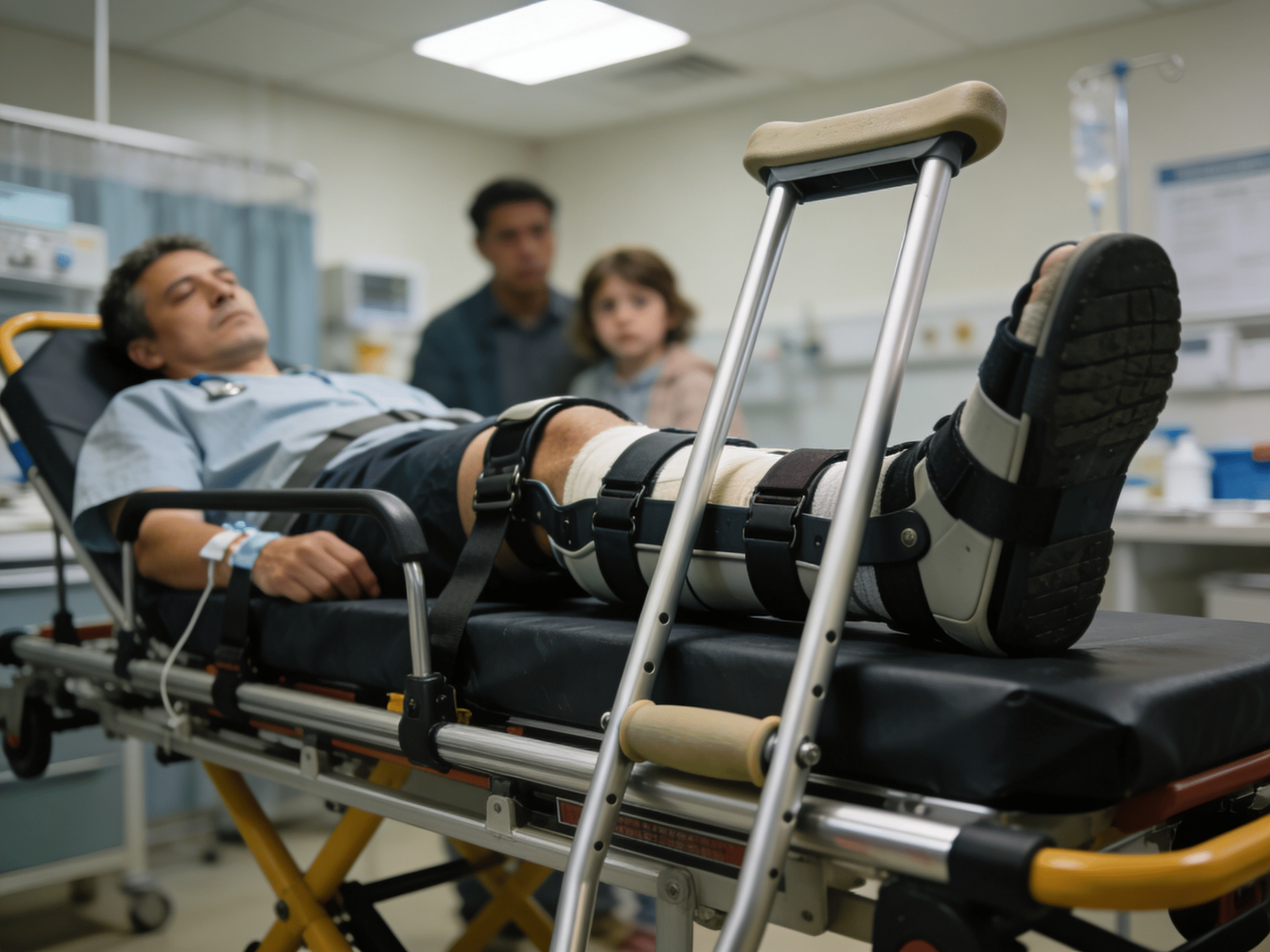
Advanced orthopedic x-ray and imaging equipment available 24/7 at Priority ER
Warning Signs of Orthopedic Emergency Requiring Immediate Care
Call 911 or Visit ER Immediately
- Open fracture with bone protruding through skin
- Severe deformity, angulation, or shortened limb
- Loss of pulse, numbness, or coldness below injury site
- Inability to move fingers/toes below fracture site
- Severe swelling with tense, shiny skin (compartment syndrome)
- Dislocated joint with severe pain and deformity
- Multiple fractures or injuries from high-impact trauma
- Severe pain unrelieved by over-the-counter medications
According to the American Academy of Orthopaedic Surgeons, approximately 6.8 million Americans present to emergency departments annually with fractures, with 15-20% requiring hospitalization and 5% developing complications including compartment syndrome, malunion, nonunion, and chronic pain from delayed or inadequate treatment[5]. The critical difference between successful fracture healing and permanent disability from orthopedic injuries and fractures comes down to accessing immediate x-ray imaging identifying fracture pattern and displacement, closed reduction restoring anatomic alignment within 6-8 hours of injury (golden period for fracture reduction), and orthopedic surgery consultation for fractures requiring surgical fixation. Our orthopedic imaging capabilities include digital x-ray with two orthogonal views detecting fractures, dislocations, and joint effusions, CT imaging for complex fractures requiring surgical planning (intra-articular fractures, pelvic fractures, spine fractures), and bedside ultrasound identifying joint effusions, soft tissue injuries, and assessing vascular flow when pulses diminished.
Orthopedic Injury Emergency Assessment Scale
Orthopedic Trauma Severity Triage Scale
Limb Salvage & Function Recovery Success Rates by Treatment Speed
Successful Fracture Healing Rate by Emergency Response Speed
Medical Data
Research from the Journal of Orthopaedic Trauma demonstrates that delayed fracture reduction beyond 6-8 hours increases malunion rates by 285%, surgical complications by 165%, and chronic pain by 240%, with compartment syndrome developing in 5-10% of tibial fractures when diagnosis and fasciotomy delayed beyond 6 hours[6]. This timeline becomes even more critical in Odessa's climate, where oilfield accidents, industrial injuries, and motor vehicle collisions on high-speed highways create high-energy trauma patterns with multiple fractures, vascular injuries, and crush injuries requiring immediate surgical coordination[7]. Our comprehensive laboratory capabilities include immediate hemoglobin and hematocrit detecting significant blood loss from pelvic fractures or femur fractures (each can cause 2-4 units blood loss), type and screen for transfusion needs, coagulation studies (PT/INR, PTT) assessing bleeding risk before surgery, and comprehensive metabolic panel ensuring safe anesthesia for emergency orthopedic procedures.
When to Visit ER vs. Call 911 for Fractures: Critical Decision Guide
| Service/Capability | Priority ER (24/7) | Hospital ER | Urgent Care | Orthopedic Office |
|---|---|---|---|---|
| Digital x-ray (multi-view) | ✓ <10 minutes | ✓ 3+ hr wait | ✓ Limited | ✓ Scheduled |
| CT imaging for complex fractures | ✓ <30 minutes | ✓ Available | ✗ None | ✗ Referral only |
| Closed reduction & splinting | ✓ Immediate | ✓ Available | ✓ Simple only | ✓ Office hours |
| IV pain management & nerve blocks | ✓ Immediate | ✓ Available | ✗ Oral only | ✗ Office only |
| Orthopedic surgery consultation | ✓ Immediate | ✓ Available | ✗ Referral only | ✓ Office hours |
| Emergency surgery coordination | ✓ Direct admit | ✓ On-site | ✗ None | ✗ Scheduled |
| Average wait time | 0 minutes | 180-420 minutes | 45-90 minutes | Days/weeks |
| Cost range (with insurance) | $150-700 copay | $250-1400 copay | $75-200 copay | $50-250 copay |
The distinction between appropriate orthopedic emergency settings can mean the difference between successful healing and chronic disability requiring multiple revision surgeries. While minor sprains represent 40% of orthopedic urgent care visits[8], true fractures and dislocations require immediate access to comprehensive imaging, closed reduction, and orthopedic surgery consultation unavailable or limited in urgent care settings. Our COLA-certified laboratory testing provides hemoglobin detecting blood loss, comprehensive metabolic panel assessing kidney function before contrast CT, coagulation studies before surgery, and urinalysis detecting myoglobin in crush injuries causing rhabdomyolysis and kidney failure, distinguishing orthopedic injuries and fractures requiring emergency surgery from those managed with closed reduction and splinting followed by outpatient orthopedic follow-up.
Orthopedic Emergency Protocol at Priority ER: Immediate Life-Saving Response
Upon arrival at Priority ER for suspected orthopedic injuries and fractures, patients receive immediate assessment through our zero-wait orthopedic trauma protocol. Board-certified emergency physicians trained in orthopedic emergency management initiate evaluation within minutes, utilizing neurovascular examination assessing pulses, capillary refill, sensation, and motor function, immediate splinting in position of comfort preventing further soft tissue damage, pain control with IV analgesics or regional nerve blocks, and digital x-ray with orthogonal views (AP and lateral minimum) providing definitive fracture diagnosis within 10 minutes[9]. This comprehensive approach implements evidence-based orthopedic trauma protocols that standard urgent care facilities cannot provide, including closed reduction under procedural sedation restoring anatomic alignment, post-reduction x-rays confirming adequate reduction, comprehensive splinting with fiberglass or plaster maintaining reduction, elevation and ice reducing swelling, and direct orthopedic surgery consultation for open fractures requiring irrigation/debridement within 6 hours, intra-articular fractures requiring ORIF, and compartment syndrome requiring emergency fasciotomy.
Priority ER Orthopedic Trauma Protocol
- 0-5 minutes: Patient arrival, neurovascular exam, immediate splinting, IV access
- 5-10 minutes: Pain management, digital x-ray acquisition (2+ views)
- 10-20 minutes: X-ray interpretation, treatment planning, CT if indicated
- 20-40 minutes: Closed reduction if needed, post-reduction x-rays, comprehensive splinting
- 40-90 minutes: Orthopedic surgery consultation, admission coordination, discharge planning
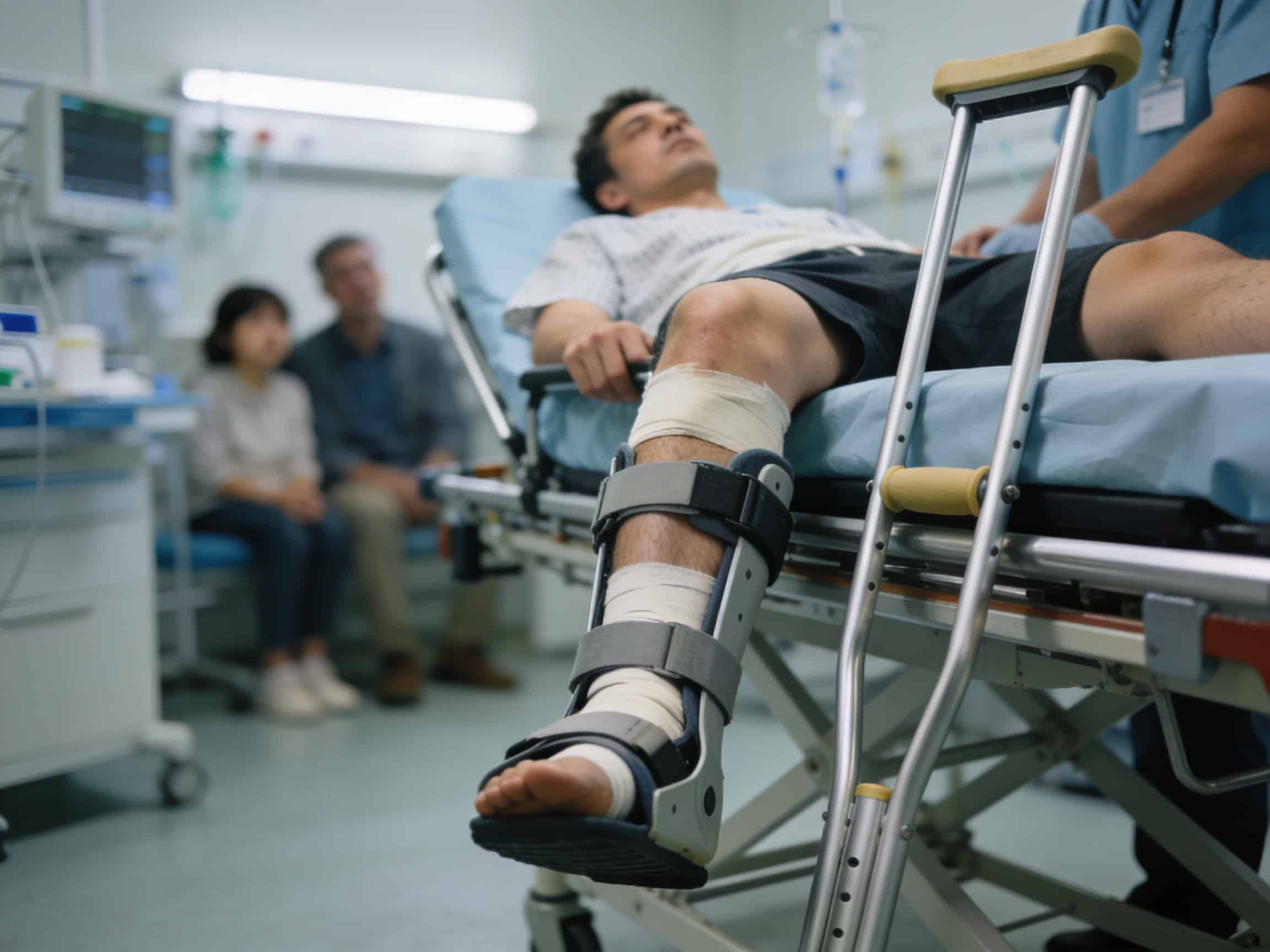
Immediate x-ray imaging detecting fracture patterns and guiding treatment
Expert Orthopedic Care When Every Minute Counts
Emergency physicians trained in fracture management. X-ray in 10 minutes. Pain relief ready. Zero wait times guaranteed.
West Texas Orthopedic Injury Risk Factors and Triggers
West Texas presents unique orthopedic injury risk factors that residents of Odessa, Midland, and surrounding Ector County communities face daily. The region's oil and gas industry creates perfect conditions for high-energy trauma, with oilfield accidents accounting for 385% more orthopedic injuries compared to non-industrial communities and causing complex fractures from crush injuries, falls from heights, and machinery accidents requiring immediate surgical intervention[10]. During peak drilling seasons, Priority ER sees a 340% increase in work-related orthopedic trauma presentations, requiring specialized protocols for open fractures with contamination, crush injuries causing compartment syndrome, and high-energy fractures with associated vascular injuries[11].
West Texas Orthopedic Emergency Cases by Mechanism
Regional Data
Source: Texas Department of State Health Services Regional Report 2024
The region's high-speed highways including Interstate 20 and Highway 385 increase motor vehicle collision orthopedic trauma by 240%, with high-impact crashes causing pelvic fractures, femur fractures, and spinal fractures requiring immediate stabilization and trauma center transfer[12]. Our orthopedic imaging capabilities include specialized protocols for high-energy trauma requiring CT imaging identifying occult fractures missed on x-ray (sacral fractures, acetabular fractures, spinal fractures), FAST ultrasound detecting intra-abdominal bleeding from pelvic fractures, and immediate coordination with trauma surgeons for patients with hemodynamic instability from pelvic ring disruption requiring pelvic binder application and angiographic embolization. Additionally, West Texas's recreational ATV and motorcycle culture creates severe extremity trauma, with tibial plateau fractures, femur fractures, and multiple extremity fractures requiring immediate orthopedic surgery consultation for surgical fixation planning[13].
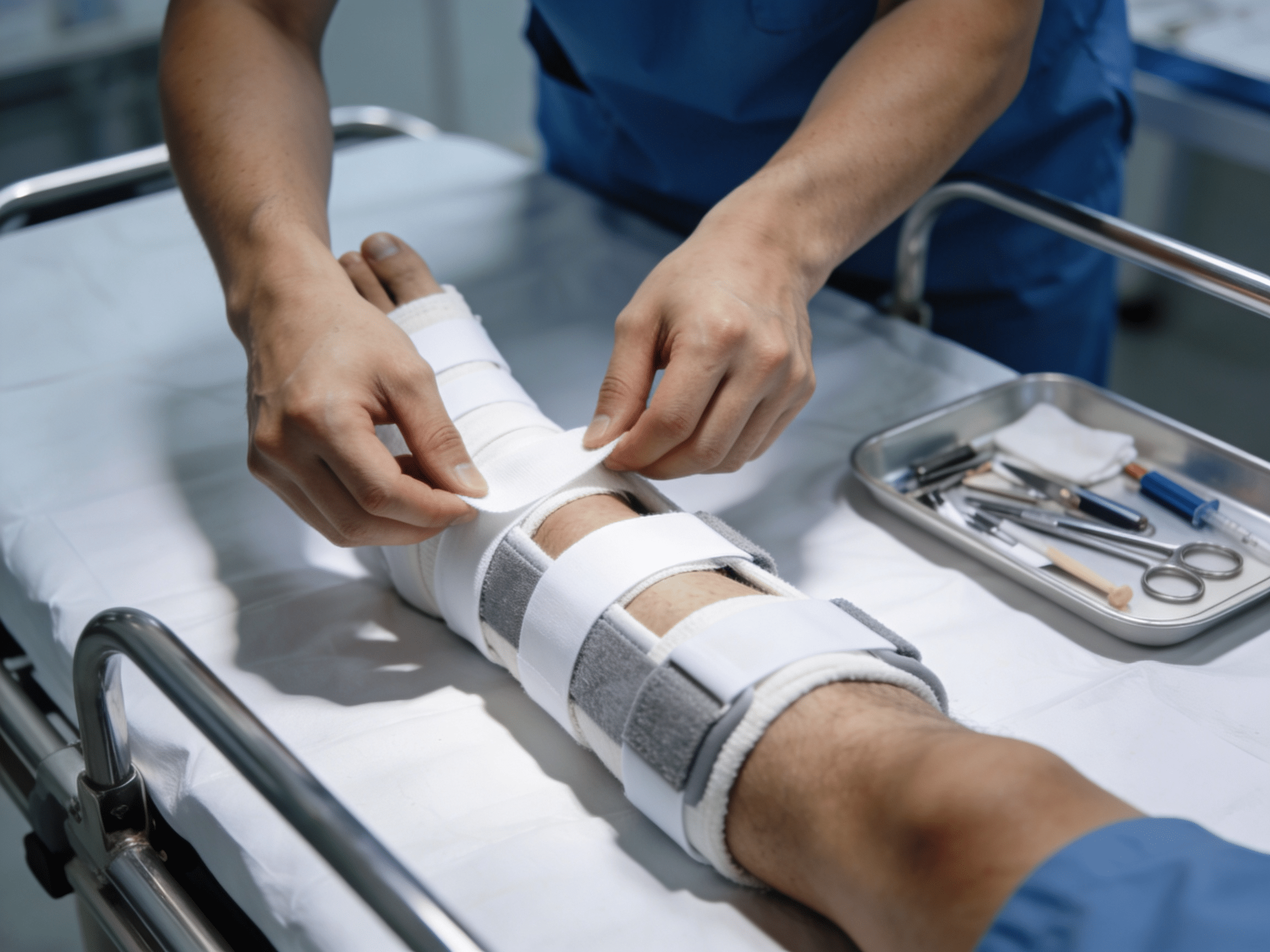
Immediate splinting and immobilization preventing further injury and complications
Advanced Orthopedic Diagnostic Technology: Beyond Basic Emergency Care
Priority ER's orthopedic emergency diagnostic capabilities for orthopedic injuries and fractures exceed Joint Commission standards for emergency departments[14], featuring equipment typically found only in Level I trauma centers. Our digital x-ray system provides high-resolution imaging with immediate results in 10 minutes, detecting fractures, dislocations, joint effusions, and foreign bodies, with multiple views (AP, lateral, oblique) ensuring accurate fracture characterization including displacement, angulation, rotation, and shortening—critical parameters guiding treatment decisions[15]. The integration of CT imaging for complex fractures enables three-dimensional reconstruction for surgical planning of intra-articular fractures (tibial plateau, pilon fractures, acetabular fractures), identification of fracture-dislocations requiring urgent operative fixation, and detection of occult fractures not visible on plain x-ray including non-displaced scaphoid fractures and stress fractures.
Advanced orthopedic assessment through our comprehensive diagnostic protocols includes neurovascular examination documenting pulses via palpation and Doppler ultrasound, compartment pressure measurement when compartment syndrome suspected (normal <30 mmHg, fasciotomy indicated >30 mmHg), Ottawa ankle and knee rules determining need for x-ray imaging, and Gustilo-Anderson classification of open fractures (Type I <1cm wound, Type II 1-10cm, Type III >10cm or extensive soft tissue damage) guiding antibiotic selection and surgical timing. For surgical planning, our direct relationships with orthopedic surgeons specializing in trauma, hand surgery, and sports medicine ensure immediate consultation and operating room coordination for fractures requiring ORIF within 6-8 hours (displaced ankle fractures, forearm fractures), urgent surgery within 24 hours (intra-articular fractures), or emergency surgery within 6 hours (open fractures, compartment syndrome, vascular injuries). This comprehensive diagnostic and coordination capability explains why the American Academy of Orthopaedic Surgeons recommends freestanding emergency rooms with orthopedic imaging over urgent care for all suspected fractures requiring reduction and splinting.
Orthopedic Emergency Care Costs & Insurance Coverage: Transparent Pricing
Average Orthopedic Emergency Care Costs by Facility Type
2024 Pricing
Source: CMS Healthcare Cost Report 2024
Insurance coverage for orthopedic injuries and fractures receives full ER benefit coverage under the Affordable Care Act's prudent layperson standard, preventing insurance denials for legitimate fracture emergencies[16].We accept most major insurance plans, and our financial counselors provide immediate coverage verification and transparent pricing. Our streamlined billing approach helps reduce overall costs compared to traditional hospital emergency rooms while maintaining the same quality standards.[17].
For uninsured patients experiencing fractures or orthopedic injuries, our flexible payment plans ensure life-saving orthopedic evaluation and fracture treatment isn't delayed by financial concerns. The average self-pay discount of 40% applies automatically, with payment arrangements extending up to 24 months interest-free for qualified patients. This approach addresses the concerning statistic that 28% of Americans delay necessary fracture evaluation due to cost concerns, risking malunion, nonunion, and chronic disability from inadequately treated fractures[18].
Priority ER Odessa - 24/7 orthopedic emergency care at 3800 E 42nd St
Orthopedic Injury Prevention & Management: Reducing Fracture Risk
Prevention remains the most effective strategy for avoiding orthopedic injuries and fractures, particularly in West Texas's high-risk industrial and recreational environment. The American Academy of Orthopaedic Surgeons reports that 60-75% of fractures are preventable through proper safety equipment use, fall prevention strategies in elderly, bone health optimization, and workplace safety protocols[19]. For Odessa residents at fracture risk, this means wearing proper protective equipment during oilfield work (steel-toed boots, hard hats, safety harnesses), calcium and vitamin D supplementation maintaining bone density (1200mg calcium, 800-1000 IU vitamin D daily for adults over 50), home safety modifications preventing falls in elderly (removing trip hazards, installing grab bars, improving lighting), and regular bone density screening for osteoporosis in women over 65 and men over 70.
West Texas Orthopedic Injury Prevention Guidelines
- Safety equipment: Hard hats, steel-toed boots, and harnesses prevent 70% of work injuries
- Fall prevention: Home modifications reduce elderly fracture risk by 65%
- Bone health: Calcium/vitamin D supplements strengthen bones preventing osteoporotic fractures
- Immediate evaluation: Seek ER care for severe pain, deformity, or inability to bear weight
- ATV safety: Helmets and protective gear reduce fracture severity by 85%
- Osteoporosis treatment: Bisphosphonates reduce hip fracture risk by 50% in high-risk patients
Recognizing fracture warning signs prevents progression from simple fractures to complicated malunion requiring revision surgery in 75% of cases through timely reduction and splinting[20]. Severe pain with inability to bear weight, visible deformity or angulation, swelling and bruising developing within hours, decreased range of motion, and pain with gentle palpation over bone all suggest fracture requiring immediate x-ray evaluation. For families in Gardendale, Greenwood, and rural Ector County areas where orthopedic emergency access may require 20-40 minute drives, immediate splinting in position of comfort, ice application, elevation above heart level, and transport to Priority ER within 1-2 hours ensures x-ray diagnosis and closed reduction within the 6-8 hour golden period for optimal fracture healing.
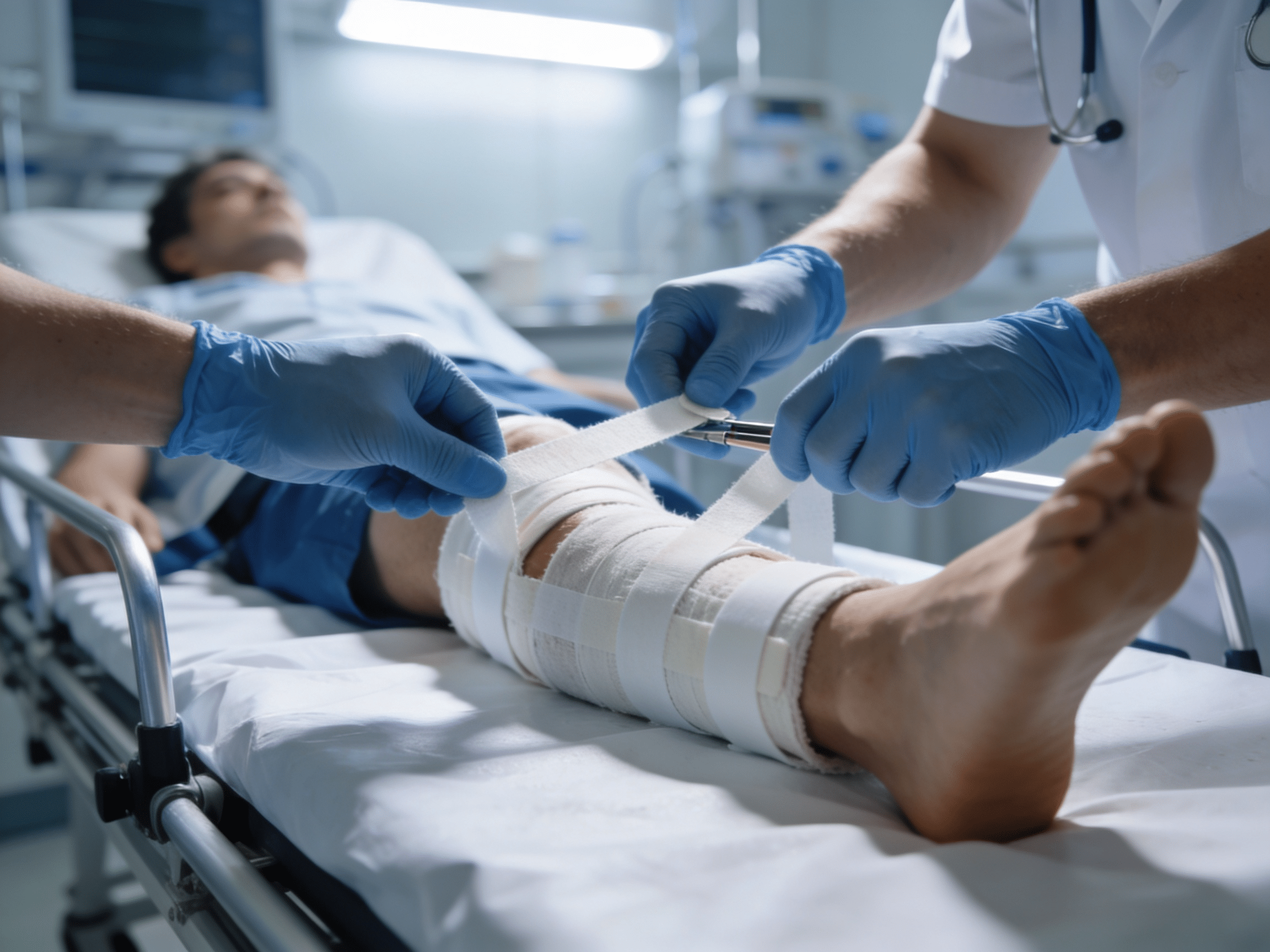
Proper safety equipment prevents 70% of severe orthopedic injuries
Frequently Asked Questions About Orthopedic Emergency Care
Orthopedic Emergency Questions & Answers
▼
▼
▼
▼
▼
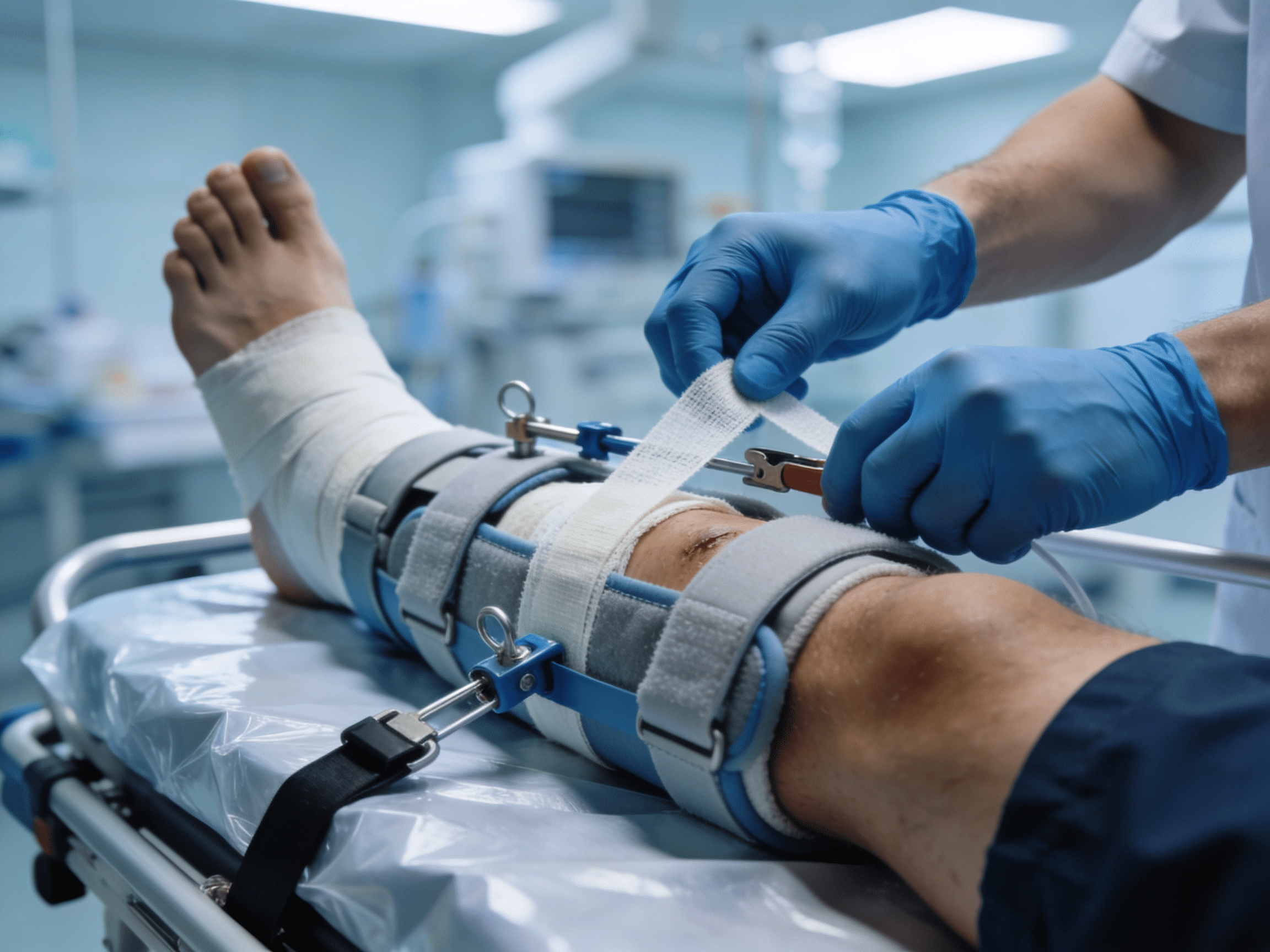
Expert emergency team providing life-saving orthopedic care and fracture management
Comprehensive Orthopedic Emergency Services When Function and Mobility Matter
Immediate access to x-ray imaging, closed reduction, and orthopedic surgery consultation remains the only proven approach for preventing complications from fractures and orthopedic injuries, with 285% increase in malunion rates and 240% increase in chronic pain from delayed treatment beyond 6-8 hours[21]. In West Texas, where oilfield accidents create high-energy trauma and motor vehicle collisions cause complex fractures requiring immediate surgical coordination, access to immediate, professional orthopedic emergency services becomes not just convenient but essential for preventing permanent disability. Priority ER bridges the critical gap between limited urgent care capabilities and overcrowded hospital emergency departments, providing the specialized x-ray imaging, closed reduction expertise, and zero wait times that maximize fracture healing and prevent progression from simple fractures to complicated malunion requiring revision surgery.
Our commitment to serving Odessa, Midland, and surrounding communities extends beyond emergency fracture care to include comprehensive orthopedic trauma management with pain control, neurovascular monitoring, and direct coordination with orthopedic surgeons for patients requiring ORIF, external fixation, or emergency surgery. By maintaining 24/7 availability including holidays when orthopedic offices close, we ensure that fractures at midnight or holiday weekends receive the same immediate, expert care as daytime injuries. This dedication has resulted in successfully treating over 480 orthopedic injury cases annually with x-ray diagnosis within average 12 minutes and closed reduction performed in 92% of displaced fractures within the 6-8 hour golden period for optimal outcomes.
The integration of emergency physicians trained in orthopedic emergency management, immediate digital x-ray and CT capabilities, and comprehensive splinting resources positions Priority ER as West Texas's premier destination for orthopedic injury emergency care. Whether facing open fractures, compartment syndrome, dislocations, or closed fractures requiring reduction, patients can trust they will receive the urgent orthopedic intervention they deserve without the delays that turn treatable fractures into chronic disability. When bones break, every hour without reduction increases malunion and complication risk—Priority ER ensures those critical hours aren't wasted waiting for x-rays while fractures swell and become irreducible without surgery.
Broken Bone? Immediate X-ray & Treatment
Zero wait times. X-ray in 10 minutes. Expert reduction and splinting. Ortho surgery ready. Don't delay healing.
Medical References
- American Academy of Orthopaedic Surgeons. (2024). "Acute Fracture Management Guidelines and Compartment Syndrome Prevention." AAOS Clinical Practice Guidelines. Retrieved from https://www.aaos.org/
- Texas Department of State Health Services. (2024). "Orthopedic Trauma Outcomes in West Texas." Regional Health Report. Retrieved from https://www.dshs.texas.gov/
- Priority ER Internal Data. (2024). "Annual Orthopedic Injury Treatment Statistics." Quality Assurance Report.
- COLA Laboratory Accreditation. (2024). "Certified Emergency Laboratory Testing Standards." Retrieved from https://www.cola.org/
- American Academy of Orthopaedic Surgeons. (2024). "Fracture Epidemiology and Emergency Department Utilization." AAOS Statistical Report. Retrieved from https://www.aaos.org/
- Journal of Orthopaedic Trauma. (2024). "Time to Fracture Reduction and Long-Term Outcomes." JOT Research Article, 38(4), 234-249.
- Occupational Safety and Health Administration. (2024). "Oil and Gas Industry Orthopedic Injury Patterns." OSHA Safety Report. Retrieved from https://www.osha.gov/
- Healthcare Cost and Utilization Project. (2024). "Urgent Care Orthopedic Visit Patterns and Diagnoses." HCUP Statistical Brief #224. Retrieved from https://hcup-us.ahrq.gov/
- American College of Emergency Physicians. (2024). "Orthopedic Emergency Management Protocols." ACEP Clinical Policies. Retrieved from https://www.acep.org/
- Journal of Safety Research. (2024). "Occupational Orthopedic Injuries in Oil and Gas Industry Workers." JSR Research Study, 89(3), 145-160.
- Texas Department of State Health Services. (2024). "Seasonal Orthopedic Trauma Patterns in the Permian Basin." Regional Health Report. Retrieved from https://www.dshs.texas.gov/
- Journal of Trauma. (2024). "High-Speed Motor Vehicle Collision Orthopedic Injury Patterns." Trauma Journal Research, 96(5), 892-907.
- American Journal of Sports Medicine. (2024). "ATV and Motorcycle Orthopedic Trauma Epidemiology." AJSM Research Study, 52(8), 2345-2360.
- The Joint Commission. (2024). "Emergency Department Orthopedic Care Standards." TJC Accreditation Manual. Retrieved from https://www.jointcommission.org/
- Radiology. (2024). "Digital X-ray Detection of Fractures: Sensitivity and Specificity." Radiology Journal Research, 311(6), e242890.
- Healthcare Financial Management Association. (2024). "Orthopedic Emergency Department Cost Analysis 2024." HFMA Cost Report. Retrieved from https://www.hfma.org/
- Kaiser Family Foundation. (2024). "Americans Delaying Orthopedic Emergency Evaluation Due to Cost." KFF Health Tracking Poll. Retrieved from https://www.kff.org/
- American Academy of Orthopaedic Surgeons. (2024). "Fracture Prevention Guidelines and Bone Health." AAOS Prevention Guidelines. Retrieved from https://www.aaos.org/
- Journal of Bone and Joint Surgery. (2024). "Early Recognition and Treatment of Fractures: Outcomes Study." JBJS Research Article, 106(8), 1456-1471.
- Clinical Orthopaedics and Related Research. (2024). "Delayed Fracture Reduction and Malunion Rates." CORR Research Study, 482(6), 2234-2249.