



Chest Pain & Cardiac Emergency Care
24/7 Cardiac Emergency Care
24/7 ER management of cardiac emergencies. Our physicians employ ACLS protocols, advanced imaging and rapid pharmacologic interventions to stabilize you before seamless referral for definitive cardiology care.

Board-certified ER physicians

No surprise billing

Open 24/7, no appointment


24/7 ER Cardiac Stabilization and Monitoring
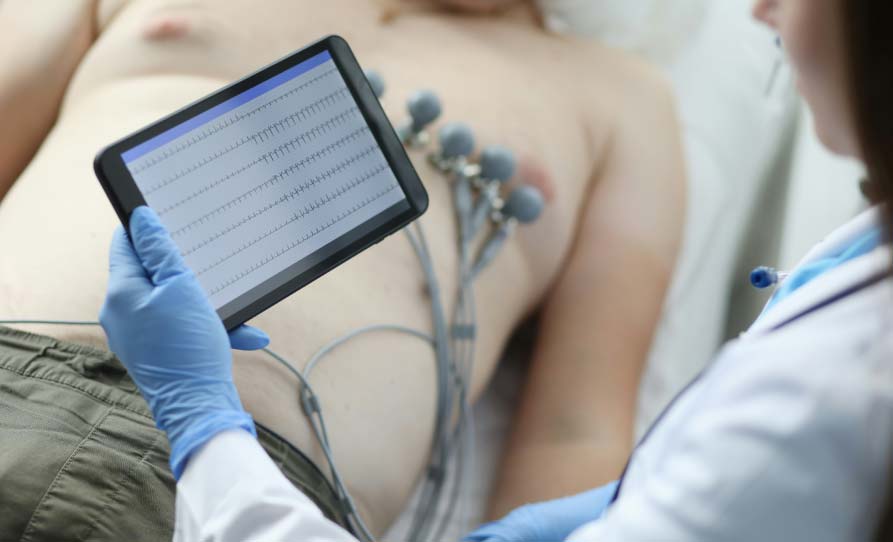
When you experience chest pain, shortness of breath, or other signs of cardiac distress, every second is critical. At Priority ER Care, our board-certified emergency physicians provide immediate ECG monitoring, point-of-care labs and pain relief, all under one roof, 24/7. From rapid troponin testing and chest X-rays to CT angiography and urgent medications, we deliver focused interventions to reduce damage and restore hemodynamic stability.


When Should You Go to the ER for Chest Pain?
Chest pain does not have to be severe to need emergency care. Pressure, tightness, or discomfort that comes and goes can still be a warning sign, especially if you also feel breathless, sweaty, sick to your stomach, or faint.

Call 911 if you think you may be having a heart attack. You do not need to be certain before asking for help.
Call 911
Symptoms that need emergency attention
New chest pain, pressure, squeezing, or heaviness.
Chest discomfort that spreads to an arm, the back, neck, or jaw.
Chest pain with shortness of breath, cold sweating, or nausea.
A racing or irregular heartbeat with fainting, chest pain, or difficulty breathing.
Sudden severe breathlessness or collapse.
Very high blood pressure with chest pain, breathing difficulty, weakness, or vision changes.
Do not drive yourself when a heart attack is possible. Emergency responders can begin assessment and arrange transport to an appropriate facility.
When a cardiology appointment makes sense
A cardiologist or primary care clinician can help with stable, previously assessed symptoms, medication reviews, planned testing, and follow-up. A new or worsening episode should not be left until a routine appointment. For possible heart attack symptoms, call 911.
Why Choose Priority ER for Cardiac Evaluation?

An emergency physician, day or night
An emergency physician reviews your symptoms, examines you, and decides which tests or treatment you need. No appointment is required for emergency evaluation.

Testing that answers the immediate questions
An EKG, cardiac blood tests, monitoring, or chest imaging may help identify the cause of your symptoms. Your physician selects the tests based on what you are experiencing and your medical history.

A clear next step
Some patients can go home with follow-up instructions. Others need more monitoring or hospital care. Your team explains the findings and arranges a transfer when care beyond the facility’s capabilities is needed.
Heart Symptoms and Emergencies We Evaluate
You do not need a diagnosis before seeking care. We evaluate symptoms that could involve the heart and provide initial treatment and stabilization within the facility’s capabilities.
Chest pain, pressure, or tightness
Suspected heart attack
Unstable angina
Rapid or irregular heart rhythms, including atrial fibrillation
Fainting with a possible heart-related cause
Worsening heart failure symptoms
Very high blood pressure with new concerning symptoms
Sudden shortness of breath with a possible cardiac cause
The tests and treatment depend on the findings. Some conditions require hospital admission, a cardiac catheterization lab, or another specialist service.
What Tests Might I Need for Chest Pain?
The first question is what could be causing your symptoms and whether it needs urgent treatment. Your medical history, examination, and initial results help the physician decide what to check next.
EKG / ECG
An EKG records the electrical activity of your heart. It can show an abnormal rhythm or changes that suggest reduced blood flow. A normal first EKG does not rule out every heart attack.
Troponin blood testing
Troponin testing helps check for heart muscle injury. Your physician considers the result together with your symptoms and EKG. You may need another sample later because changes over time can help clarify what is happening.
Chest X-ray or CT imaging
Imaging may help investigate symptoms involving the lungs, heart, or nearby structures. Your physician chooses the appropriate study; every patient with chest pain does not need a CT scan. Available tests and protocols depend on the treating location.
Heart monitoring
Monitoring lets the team watch your heart rhythm and other vital signs while you are assessed and treated. It can be useful when symptoms continue or further testing is needed.
Ask the team what each test is checking and whether another test or observation period is needed before a decision can be made.
What Happens When You Arrive?

1
Tell us what you are feeling
The team checks your vital signs and asks when the symptoms started. Mention any chest discomfort, breathing changes, fainting, or pain spreading elsewhere. Patients are prioritized by medical urgency.
2
Meet the emergency physician
Your physician examines you and asks about your health history, medicines, and any previous heart problems.
3
Have the tests your symptoms call for
An EKG, blood tests, monitoring, or imaging may be recommended. The team explains the results and whether more testing is needed.
4
Receive treatment and reassessment
Treatment is chosen for the suspected problem and your condition. The team follows your response and checks for changes.
5
Leave with a plan, or transfer for hospital care
If discharge is appropriate, you receive instructions about follow-up and symptoms that mean you should seek help again. If you need a higher level of care, the team coordinates hospital transfer.
What If I Need a Stent or Hospital Admission?
Priority Emergency Room provides emergency evaluation and stabilization. Cardiac catheterization and coronary stenting are not performed on site.
If you need a cardiac catheterization lab, admission, surgery, or another hospital service, the team arranges transfer to an appropriate receiving facility. The destination and timing depend on your condition and available resources.
For possible heart attack symptoms, call 911 first. Emergency responders can help determine the appropriate destination from the start.
Cardiac Emergency Care in Odessa, McKinney, and Rockwall
Priority Emergency Room provides emergency evaluation for possible heart-related symptoms. Use the location details below for facility information. If you think you may be having a heart attack, call 911 rather than calling ahead or driving yourself.
Odessa
3800 E 42nd St, Odessa, TX 79762
McKinney
5000 Eldorado Pkwy, McKinney, TX 75070
Rockwall
2265 N Lakeshore Dr, Suite 100, Rockwall, TX 75087
Questions About Chest Pain and Heart Symptoms
Should I go to urgent care or the ER for chest tightness and shortness of breath?

That combination can be a medical emergency. Call 911 if you may be having a heart attack, even if you are unsure. An urgent care clinic may offer some testing, but an EKG alone cannot rule out a heart attack. Do not wait for a clinic appointment when emergency symptoms are present.
Where can I get an EKG and cardiac blood tests without an appointment?
Priority ER evaluates possible cardiac emergencies without an appointment at its Odessa, McKinney, and Rockwall locations. The physician decides whether you need an EKG, troponin testing, or other tests. Waiting and testing times vary with medical needs and activity. For possible heart attack symptoms, call 911 first.
Can I still be having a heart attack if my first EKG looks normal?
Yes, it is possible. Your physician looks at the full picture: your symptoms, history, examination, EKG, and blood results. Repeat EKGs, troponin testing, or further observation may be needed. Seek emergency help for new or worsening warning symptoms even if an earlier test was reassuring.
My heart is racing late at night. Should I wait until morning?
If a racing heartbeat comes with chest pain, severe shortness of breath, fainting, or other severe symptoms, call 911. A new or persistent episode also needs prompt medical advice. Emergency symptoms should not wait for office hours.
My blood pressure is 190/110 and I have a headache or dizziness. What should I do?
That reading with new symptoms needs urgent medical assessment. Call 911 for a sudden severe headache, chest pain, difficulty breathing, weakness, confusion, trouble speaking, vision changes, or fainting. A blood-pressure number alone does not establish the cause or severity of the problem. Do not wait for both numbers to rise before seeking help.
How do I know whether chest pain is anxiety, acid reflux, or my heart?
Symptoms can overlap, so it is not always possible to tell at home. Do not assume that new or different chest discomfort is anxiety or reflux. A physician may use an examination, an EKG, blood tests, and other testing to assess serious causes. Some patients need repeat tests or observation. For possible heart attack symptoms, call 911.
Can a freestanding ER treat a heart attack, or will I need a hospital?
A freestanding ER can begin emergency assessment and stabilization within its capabilities. Priority ER does not perform on-site catheterization or coronary stenting. If those services, admission, or other specialist care are needed, the team coordinates transfer. For suspected heart attack symptoms, call 911 so responders can arrange appropriate care from the beginning.
Will insurance cover my emergency visit and cardiac tests?
Coverage and patient costs depend on your plan and applicable protections. Priority ER’s published disclosure identifies the facility as out of network. Emergency-service billing protections may apply without making the facility an in-network provider; deductibles, copayments, or coinsurance may still apply. Do not delay emergency care to check coverage.
Services
Why Choose Us?

Board-Certified Emergency Physicians
Truly 24/7 Availability
Comprehensive On-Site Diagnostics
Insurance & Self-Pay Flexibility
Reasonable Treatment Prices
Call Now for Cardiac Emergency Care!
Odessa, TX
McKinney, TX
Rockwall, TX


Working Time
Open 24/7
365 days a year.
Need Location Information?
View our Odessa, McKinney, and Rockwall location details for addresses and general questions.
Possible heart attack? Call 911. Do not drive yourself or wait for an online response.