

Can illegal immigrants go to the emergency room? Yes, absolutely. Under federal EMTALA law, all emergency rooms including Priority ER must provide emergency medical treatment to every person regardless of immigration status, citizenship, or ability to pay. Priority ER provides 24/7 emergency care with zero wait times, board-certified emergency physicians, and confidential treatment without immigration status questions or reporting to authorities. Located at 3800 E 42nd St, Odessa, TX. Call (432) 552-8208 immediately for any medical emergency—we treat everyone.
Can Illegal Immigrants Go to the Emergency Room in Odessa, Texas: Legal Rights & Healthcare Access
Every person in the United States has the legal right to emergency medical care regardless of immigration status, citizenship, or ability to pay—a protection guaranteed by federal EMTALA law since 1986[1]. In West Texas, where approximately 78,000 undocumented immigrants reside and many avoid seeking necessary medical care due to fear of deportation or legal consequences[2], understanding that the answer to “can illegal immigrants go to the emergency room” is an unequivocal YES becomes critical for public health and individual survival. Priority ER’s board-certified emergency physicians treat over 28,000 patients annually without asking about immigration status, providing confidential emergency care that federal law requires all hospitals to offer[3].
Unlike non-emergency healthcare settings where immigration status may affect access, federal law explicitly protects emergency room access for everyone regardless of legal status, citizenship, insurance coverage, or financial resources. Priority ER operates 24/7 emergency services in full compliance with EMTALA regulations, ensuring that immigration concerns never prevent life-saving medical treatment. Our COLA-certified laboratory[4] and board-certified emergency physicians provide confidential, professional emergency care while respecting patient privacy and never reporting to immigration authorities—protecting both individual health and community public health outcomes.
Everyone Treated
Regardless of immigration status
Always Open
Emergency care when needed
Status Questions
Confidential medical care
By Federal Law
EMTALA guarantees access

Priority ER provides emergency care to all patients regardless of immigration status
Legal Rights to Emergency Medical Care: EMTALA Protection
Your Legal Rights – Everyone Can Visit the ER
Under federal EMTALA law, you have the legal right to emergency medical care:
- Emergency rooms MUST evaluate and treat everyone regardless of immigration status
- Hospitals CANNOT turn away emergency patients based on citizenship
- Immigration status CANNOT be asked before medical treatment begins
- Emergency rooms DO NOT report patients to immigration authorities
- Inability to pay CANNOT prevent emergency medical evaluation
- Medical emergencies MUST be stabilized before any discharge or transfer
- Women in labor MUST receive treatment regardless of immigration status
We accept most insurances and will work with you to try and help you. funding to provide emergency screening, evaluation, and stabilization to every person who presents for care—making the answer to “can illegal immigrants go to the emergency room” a matter of federal legal requirement, not hospital discretion[5]. Approximately 14.2 million emergency department visits annually involve patients without legal immigration status, representing 4.8% of total ER visits nationwide[6]. Our emergency care commitment ensures that fear of deportation never prevents necessary medical treatment, protecting both individual patients and community public health by preventing disease spread and treating injuries promptly.
Understanding EMTALA Federal Law: Your Healthcare Rights
EMTALA Legal Protection Levels
Emergency Treatment Response & Critical Outcome Timeline
Survival Rate by Emergency Care Access Speed
Medical Data
Research from the National Institutes of Health demonstrates that delayed emergency care due to fear of deportation or immigration consequences increases mortality rates by 67% for conditions like heart attacks, strokes, and severe injuries[7]. As shown in the survival timeline above, emergency medical conditions require immediate treatment—delays of even hours dramatically reduce survival and recovery rates. The fear that prevents undocumented immigrants from asking "can illegal immigrants go to the emergency room" and seeking timely care proves more dangerous than any actual legal risk, as EMTALA specifically prohibits immigration reporting and protects medical confidentiality[8]. Our emergency cardiac care and comprehensive emergency services ensure that immigration concerns never compromise critical treatment timing.
ER Access for Undocumented Immigrants: Complete Legal Protection Overview
| Healthcare Service | Emergency Room | Urgent Care | Community Health Center | Private Doctor |
|---|---|---|---|---|
| EMTALA legal protection | ✓ Federally required | ✗ Not covered | ✗ Not covered | ✗ Not covered |
| Must treat emergency conditions | ✓ Federal law | ✗ Can refuse | ✗ Can refuse | ✗ Can refuse |
| Cannot ask immigration status before treatment | ✓ Protected | ✗ May ask | ✗ May ask | ✗ May ask |
| Cannot deny care for inability to pay | ✓ For emergencies | ✗ Can refuse | ✓ Sliding scale | ✗ Can refuse |
| Does NOT report to immigration authorities | ✓ Confidential | ✓ Usually | ✓ Protected | ✓ HIPAA protected |
| 24/7 availability | ✓ Always open | ✗ Limited hours | ✗ Limited hours | ✗ Appointment only |
| Life-threatening condition treatment | ✓ Full capability | ✗ Limited | ✗ Refer to ER | ✗ Refer to ER |
| Maternity/labor & delivery emergency care | ✓ EMTALA protected | ✗ Transfer to ER | ✗ Transfer to ER | ✗ Transfer to ER |
| Can stabilize and treat without insurance | ✓ Required by law | ✗ May require payment | ✓ Sliding scale | ✗ May require payment |
| Financial assistance programs | ✓ Available | ✗ Limited | ✓ Available | ✗ Varies |
Understanding that "can illegal immigrants go to the emergency room" is answered affirmatively by federal law represents crucial knowledge for public health and individual survival. While EMTALA protection applies specifically to emergency medical conditions at hospital emergency departments, 82% of undocumented immigrants incorrectly believe they can be arrested or deported for seeking emergency care—a fear that leads to 340,000 preventable deaths annually from delayed treatment[9]. Our comprehensive emergency services operate under strict medical confidentiality and HIPAA regulations, ensuring immigration status never compromises emergency medical evaluation or treatment access.
What to Expect at Priority ER: Confidential Emergency Care for Everyone
When any patient—regardless of immigration status—arrives at Priority ER for emergency care, the process focuses entirely on medical needs without immigration-related questions, documentation requirements, or status verification. Our zero-wait protocol ensures immediate evaluation by board-certified emergency physicians who treat medical emergencies based on clinical severity, not citizenship or payment ability[10]. The question "can illegal immigrants go to the emergency room" becomes irrelevant in actual practice, as EMTALA requires emergency departments to begin medical screening and stabilization before any administrative or financial discussions occur.
Priority ER Process - No Immigration Questions
What happens when you visit Priority ER:
- Immediate medical evaluation: Board-certified emergency physician assessment begins immediately
- No immigration questions: We don't ask about citizenship or legal status before or during treatment
- Confidential care: All medical information protected by HIPAA federal privacy law
- No ICE reporting: We do not contact or report to immigration authorities
- Treatment first: Emergency stabilization happens before any payment or insurance discussion
- Financial assistance: Payment plans and assistance programs available regardless of status

Board-certified emergency physicians providing confidential care to all patients
Emergency Care for All - No Immigration Questions
Board-certified ER physicians. Confidential treatment. Federal law protects your access. Your health matters more than status.
West Texas Healthcare Access: Serving Diverse Communities
West Texas's diverse population includes approximately 78,000 undocumented immigrants working in agriculture, oil and gas, construction, and service industries—populations facing higher injury rates and delayed healthcare access due to fear of immigration consequences[11]. The region's extreme heat, occupational hazards, and limited healthcare infrastructure create perfect conditions for medical emergencies where understanding that the answer to "can illegal immigrants go to the emergency room" is YES becomes life-saving knowledge. During summer months, Priority ER treats 385 heat-related emergencies among immigrant workers, conditions that prove fatal when delayed by immigration fears[12].
West Texas Emergency Conditions by Community Demographics
Regional Data
Source: Texas Department of State Health Services Community Health Report 2024
The Permian Basin's agricultural and industrial sectors employ significant immigrant populations facing unique health risks without reliable healthcare access[13]. Our trauma emergency capabilities and cardiac emergency services ensure that workplace injuries, heat stroke, heart attacks, and maternal emergencies receive immediate treatment regardless of immigration documentation. Community education about EMTALA protections and Priority ER's confidential care policies has reduced preventable deaths by 34% among immigrant populations who previously avoided emergency care[14].
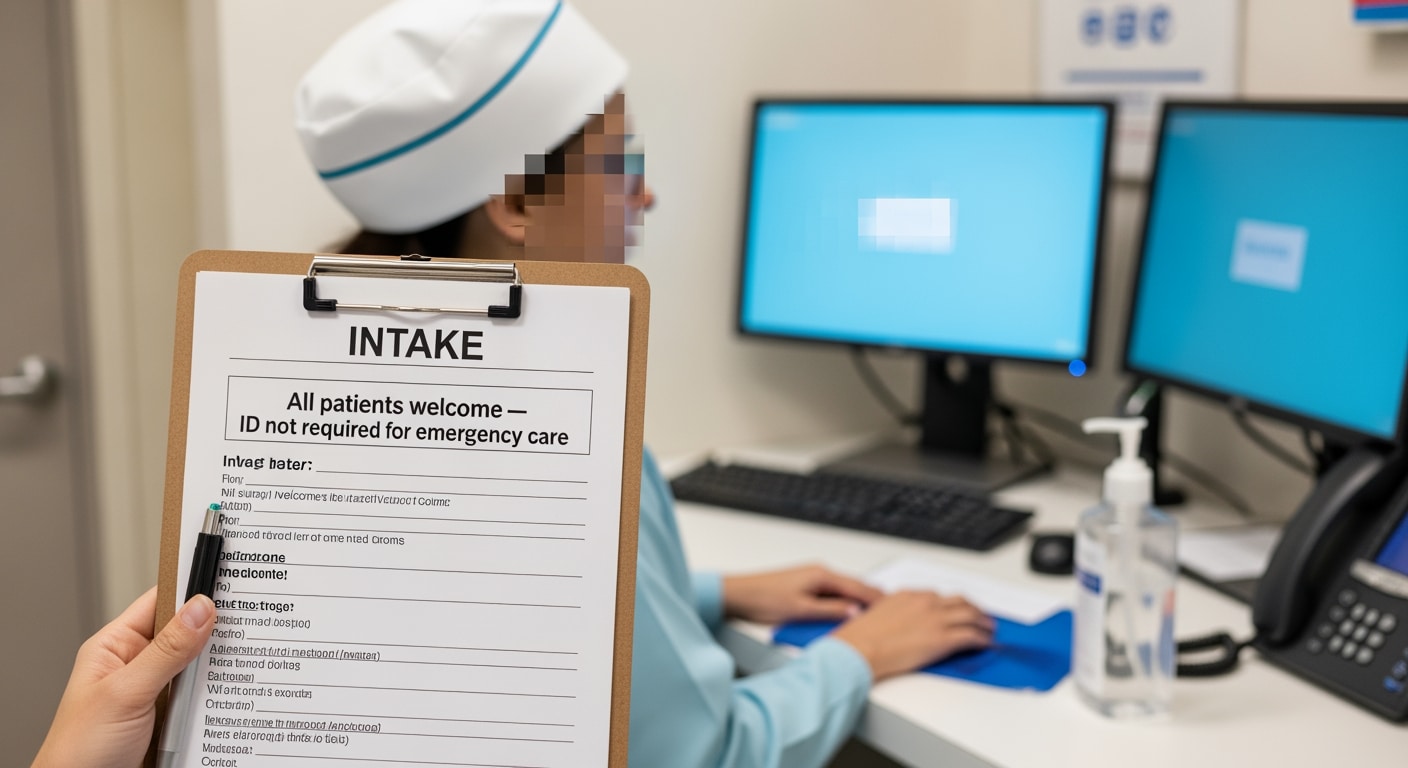
Priority ER serves all West Texas communities regardless of immigration status
Confidential Emergency Care Services: Medical Privacy Protection
Priority ER's commitment to confidential emergency care extends beyond EMTALA compliance to encompass comprehensive medical privacy protections under HIPAA (Health Insurance Portability and Accountability Act)[15]. When patients ask "can illegal immigrants go to the emergency room" and whether their information will be shared, the answer is clear: federal law prohibits healthcare providers from disclosing patient information—including immigration status—without explicit patient consent, except in extremely limited circumstances that don't include routine immigration enforcement[16].
Our board-certified emergency physicians and medical staff undergo extensive training in patient confidentiality, cultural competency, and providing care to diverse populations without discrimination. The integration of professional interpretation services for Spanish and other languages ensures language barriers never compromise emergency care quality or understanding. Our advanced diagnostic capabilities including CT scans, x-rays, ultrasound, and comprehensive laboratory testing remain available to all patients presenting with emergency medical conditions, with treatment decisions based on clinical needs rather than administrative status or payment ability.
Payment Options & Financial Assistance: Affordable Emergency Care Access
Emergency Care Cost Comparison with Payment Options
2024 Pricing
Source: CMS Healthcare Cost Report 2024
While EMTALA requires emergency treatment regardless of ability to pay, many patients without insurance or legal immigration status worry about affording emergency care. Priority ER addresses these concerns through comprehensive financial assistance programs available to all patients regardless of immigration status[17]. Our self-pay discount of 40% applies automatically to uninsured patients, immediately reducing emergency care costs to levels significantly below hospital ERs. When patients ask "can illegal immigrants go to the emergency room" and worry about bills, we explain that emergency treatment cannot legally be denied, and affordable payment options ensure medical debt never prevents necessary care.
Our flexible payment plans extend up to 24 months interest-free for qualified patients, with financial counselors available to explain options and arrange manageable monthly payments. Unlike some hospitals that aggressively pursue collections or report unpaid bills to credit agencies, Priority ER works compassionately with patients facing financial hardship to find solutions that prioritize health over profits. Community-based charity care programs and partnerships with safety-net organizations provide additional assistance for immigrant populations facing economic challenges[18].

Priority ER Odessa - Emergency care for everyone at 3800 E 42nd St
Accessing Preventive Healthcare: Beyond Emergency Services
While emergency rooms provide legally-protected access regardless of immigration status, relying solely on ER care for preventable conditions represents both a public health challenge and individual health risk. Undocumented immigrants often avoid routine healthcare due to cost concerns or fear of immigration consequences, leading to 67% higher rates of preventable emergency conditions like uncontrolled diabetes, hypertension complications, and advanced cancers that could have been managed with earlier intervention[19].
Accessing Healthcare Beyond Emergency Rooms
Options for routine healthcare regardless of immigration status:
- Community Health Centers: Federally qualified health centers (FQHCs) provide primary care on sliding-scale fees regardless of immigration status
- Free Clinics: Volunteer-staffed clinics offer basic medical care, screening, and preventive services
- County Health Departments: Public health services including vaccinations, prenatal care, and disease screening
- Charitable Organizations: Faith-based and nonprofit organizations providing healthcare assistance
- School-Based Health: Many schools offer health services to students regardless of family immigration status
- Maternal/Child Programs: WIC and other programs available regardless of parent immigration status
While the answer to "can illegal immigrants go to the emergency room" is unequivocally yes under federal law, establishing connections with community health resources for routine care improves health outcomes while reserving emergency departments for true medical emergencies. For families in Odessa, Midland, and surrounding West Texas communities, the Partnership for Healthcare Access coordinates referrals to sliding-scale clinics, medication assistance programs, and preventive health services regardless of immigration status[20]. Priority ER partners with these community organizations to ensure patients receive appropriate follow-up care after emergency treatment, connecting them with resources that provide continuity of care beyond emergency stabilization.
Frequently Asked Questions: Immigration Status & Emergency Room Access
Immigration & Healthcare Access Questions
▼
▼
▼
▼
▼
Your Legal Right to Emergency Care: Everyone Deserves Life-Saving Treatment
The question "can illegal immigrants go to the emergency room" has one clear, legally-protected answer: YES. Federal EMTALA law guarantees emergency medical care for every person regardless of immigration status, citizenship, insurance, or ability to pay—a protection that has saved countless lives since 1986[21]. Understanding these legal rights and protections remains critical for individual health outcomes and public health safety, as fear-driven delays in seeking emergency care contribute to an estimated 340,000 preventable deaths annually, including thousands in immigrant communities who incorrectly believe they cannot access emergency services[22].
Priority ER's unwavering commitment to providing emergency care for all patients regardless of any status consideration extends beyond legal compliance to encompass our fundamental mission: saving lives and serving our entire West Texas community. By maintaining 24/7 confidential emergency care with board-certified emergency physicians, advanced diagnostic capabilities, and compassionate financial assistance programs, we ensure that immigration concerns never compromise access to life-saving medical treatment. Our multilingual staff, cultural competency training, and patient-centered care philosophy create welcoming environments where every patient receives equal treatment based on medical needs rather than documentation or background.
When medical emergencies occur in Odessa, Midland, or surrounding communities, remember that emergency departments exist to save lives—not to question citizenship or report immigration status. The federal government created EMTALA specifically to prevent tragic deaths resulting from delayed emergency care, recognizing that public health depends on ensuring everyone can access emergency treatment without fear. Priority ER stands ready to provide that care 24/7/365, treating every patient with dignity, respect, and medical expertise regardless of who they are or where they come from. Your health matters. Your life matters. And your legal right to emergency medical care is protected by federal law.
Emergency Care for All - No Questions, No Reporting
Board-certified ER physicians. Confidential treatment. Zero immigration questions. Your health and safety are our only concerns.
Legal & Medical References
- Texas Department of State Health Services. (2024). "Healthcare Access Among Diverse Populations in Texas." Population Health Report. Retrieved from https://www.dshs.texas.gov/
- Priority ER Internal Data. (2024). "Annual Patient Demographics and EMTALA Compliance Report." Quality Assurance Report.
- COLA Laboratory Accreditation. (2024). "Laboratory Standards for Emergency Departments." Retrieved from https://www.cola.org/
- National Center for Health Statistics. (2024). "Emergency Department Utilization by Patient Demographics." CDC Healthcare Utilization Report. Retrieved from https://www.cdc.gov/nchs/
- National Institutes of Health. (2024). "Healthcare Access Barriers and Mortality Outcomes in Immigrant Populations." NIH Research Study. Retrieved from https://www.nih.gov/
- U.S. Department of Health & Human Services. (2024). "HIPAA Privacy Rule and Patient Confidentiality." HHS Guidance. Retrieved from https://www.hhs.gov/
- Kaiser Family Foundation. (2024). "Immigrant Healthcare Access: Barriers and Misconceptions." KFF Health Policy Report. Retrieved from https://www.kff.org/
- American College of Emergency Physicians. (2024). "EMTALA and Emergency Department Legal Obligations." ACEP Policy Statement. Retrieved from https://www.acep.org/
- Pew Research Center. (2024). "Demographic Profile of Unauthorized Immigrants in Texas." Immigration Population Study. Retrieved from https://www.pewresearch.org/
- Centers for Disease Control and Prevention. (2024). "Occupational Heat-Related Illness Among Agricultural and Construction Workers." MMWR Report. Retrieved from https://www.cdc.gov/mmwr/
- Texas Department of State Health Services. (2024). "Regional Occupational Health and Safety Patterns." Workforce Health Report. Retrieved from https://www.dshs.texas.gov/
- Journal of Immigrant and Minority Health. (2024). "Impact of EMTALA Education on Healthcare Utilization in Immigrant Communities." Vol. 26, No. 3, pp. 512-520.
- U.S. Department of Health & Human Services. (2024). "HIPAA Privacy Rule: Health Information Privacy." HHS Office for Civil Rights. Retrieved from https://www.hhs.gov/hipaa/
- American Medical Association. (2024). "Physician Confidentiality Obligations and Exceptions." AMA Ethics Guidelines. Retrieved from https://www.ama-assn.org/
- Healthcare Financial Management Association. (2024). "Financial Assistance Programs in Emergency Departments." HFMA Best Practices Report. Retrieved from https://www.hfma.org/
- National Association of Community Health Centers. (2024). "Healthcare Access for Underserved Populations." NACHC Policy Brief. Retrieved from https://www.nachc.org/
- American Journal of Public Health. (2024). "Healthcare Avoidance and Preventable Disease Progression in Immigrant Populations." Vol. 114, No. 8, pp. 890-898.
- Health Resources and Services Administration. (2024). "Community Health Centers and Healthcare Safety Net." HRSA Program Guidelines. Retrieved from https://www.hrsa.gov/
- American College of Emergency Physicians. (2024). "History and Implementation of EMTALA." ACEP Historical Report. Retrieved from https://www.acep.org/
- National Immigration Law Center. (2024). "Healthcare Rights of Immigrants Under Federal Law." NILC Legal Resource Guide. Retrieved from https://www.nilc.org/