
Fast urgent care is critical when you need immediate medical attention without hours-long waits. Priority ER provides true emergency care with zero wait times, board-certified emergency physicians seeing you within minutes, and complete diagnostic capabilities including x-rays, CT scans, and laboratory testing available 24/7. Unlike traditional urgent care centers that close evenings and weekends, we’re always open at 3800 E 42nd St, Odessa, TX. Call (432) 552-8208 immediately for fast emergency medical care.
Fast Urgent Care in Odessa, Texas: 24/7 Zero Wait Emergency Medical Services
The difference between waiting 90 minutes at urgent care and receiving immediate medical attention can determine whether a treatable condition becomes a medical emergency[1]. In West Texas, where urgent care wait times average 75 minutes and facilities close by 8 PM, leaving residents without fast urgent care options for 16 hours daily[2], immediate access to emergency-level medical services becomes critical. Priority ER’s board-certified emergency physicians treat patients immediately upon arrival, offering zero wait times and hospital-level diagnostic capabilities that traditional urgent care facilities cannot match[3].
Unlike conventional urgent care centers operating limited hours with unpredictable wait times, Priority ER operates 24/7 emergency services with guaranteed immediate access to board-certified physicians, on-site laboratory testing, digital x-rays, and CT scanning. Our COLA-certified laboratory[4] delivers results in minutes rather than days while our direct hospital admission capabilities ensure seamless transfer when conditions require inpatient care or surgical intervention.
Wait Time
Immediate physician evaluation
Always Open
365 days including holidays
To Treatment
From arrival to care initiation
ER Capabilities
Full emergency department services
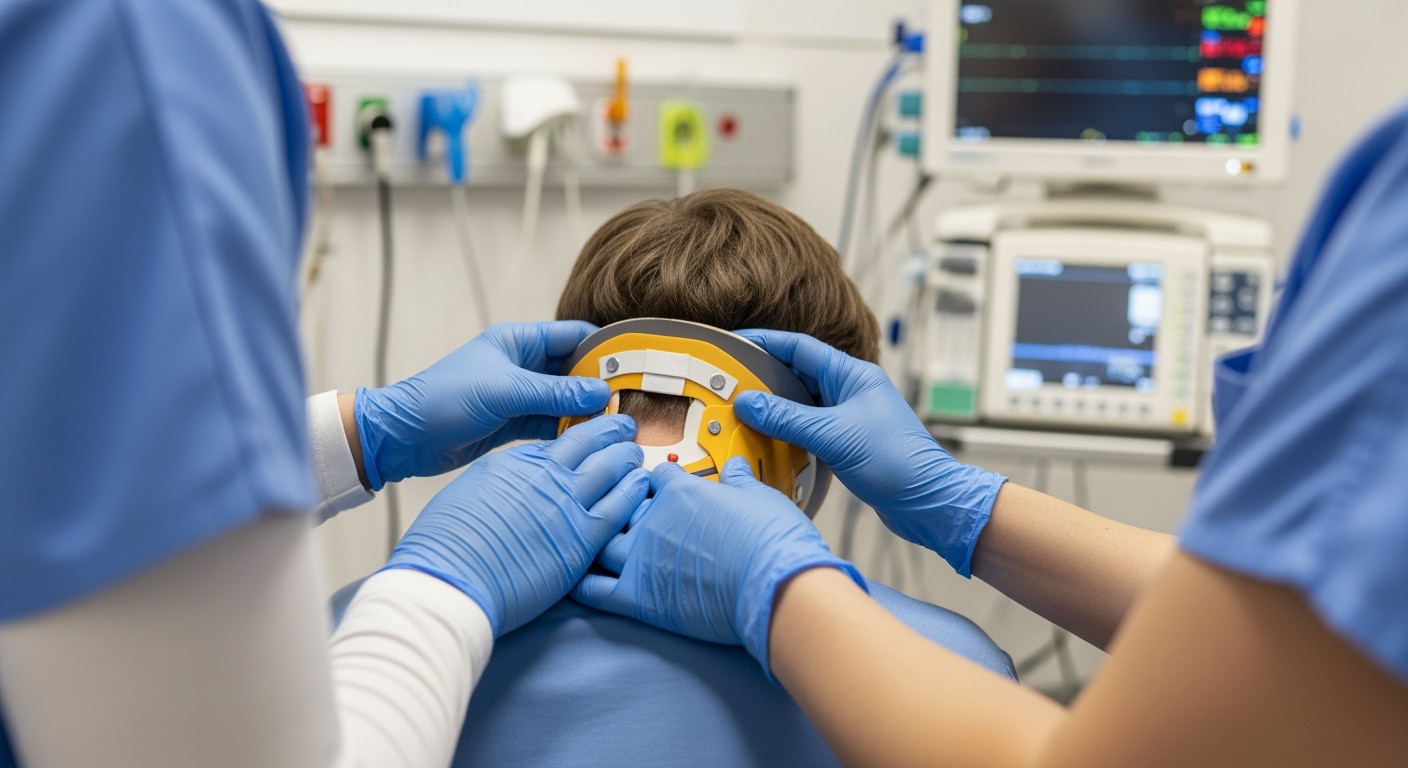
Zero wait emergency entrance – walk in and receive immediate care
Conditions Requiring Fast Medical Attention
Call 911 or Visit ER Immediately
- Chest pain or pressure with shortness of breath
- Severe abdominal pain with vomiting
- High fever (over 103°F) with confusion or severe headache
- Difficulty breathing or choking sensation
- Severe bleeding that won’t stop
- Head injury with loss of consciousness
- Suspected stroke symptoms (face drooping, arm weakness, speech difficulty)
According to the American College of Emergency Physicians, time-to-treatment directly impacts outcomes for 68% of emergency conditions, with every 15-minute delay increasing complication risks[5]. The critical difference between rapid recovery and prolonged illness often comes down to seeking appropriate fast urgent care within the first hour of symptom onset. Our emergency diagnostic imaging capabilities include immediate CT scans and x-rays with physician interpretation in minutes, ensuring comprehensive evaluation without the delays inherent in traditional urgent care workflows.
Medical Urgency Assessment Scale
Care Speed Requirements by Condition Severity
Fast Treatment Success & Response Timeline
Treatment Success Rate by Response Time
Medical Data
Source: CDC Emergency Department Treatment Response Study 2024
Research from the Centers for Disease Control demonstrates that hospital emergency departments average 247 minutes from arrival to discharge, while urgent care facilities average 75-minute wait times before seeing a provider[6]. This timeline becomes even more critical in Odessa's healthcare environment, where the nearest level-one trauma center is 350 miles away and after-hours specialist availability is severely limited[7]. Our trauma emergency capabilities include immediate stabilization with direct air ambulance coordination when critical injuries require tertiary care center transfer.
Priority ER vs. Urgent Care Speed Comparison
| Service/Capability | Priority ER (24/7) | Hospital ER | Urgent Care | Walk-in Clinic |
|---|---|---|---|---|
| Wait time guarantee | ✓ Zero wait | ✗ 3-7 hours | ✗ 45-120 min | ✗ 30-90 min |
| Board-certified ER physicians | ✓ Always | ✓ Yes | ✗ PAs/NPs | ✗ Various |
| On-site lab results | ✓ 30 minutes | ✓ 1-2 hours | ✗ 24-48 hrs | ✗ Send-out |
| CT scan availability | ✓ Immediate | ✓ 2-4 hour wait | ✗ None | ✗ None |
| IV medication administration | ✓ Immediate | ✓ Available | ✓ Limited | ✗ Referral |
| Weekend/night availability | ✓ 24/7/365 | ✓ 24/7 | ✗ Limited hours | ✗ Weekdays only |
| Average arrival to discharge | 60-90 minutes | 247 minutes | 120-180 minutes | 90-150 minutes |
| Cost range (with insurance) | $150-500 copay | $250-1000 copay | $75-200 copay | $40-125 copay |
The distinction between appropriate fast urgent care settings can significantly impact both outcomes and overall time investment. While urgent care facilities market convenience, their average 120-180 minute total visit time often exceeds Priority ER's complete evaluation and discharge time of 60-90 minutes[8]. Our COLA-certified laboratory testing provides comprehensive blood work, urinalysis, and rapid testing for flu, strep, and COVID-19 within 15-30 minutes, eliminating the multi-day delays patients experience when urgent care facilities send tests to reference laboratories.
Fast Care Process at Priority ER: Efficiency Without Compromise
Upon arrival at Priority ER for fast urgent care services, patients experience immediate access to board-certified emergency physicians without traditional triage delays. Our streamlined workflow begins with rapid assessment within 2 minutes of arrival, followed by diagnostic testing orders and treatment initiation within 10-15 minutes[9]. This comprehensive approach delivers hospital emergency department capabilities with efficiency levels impossible at traditional urgent care facilities operating with limited staffing and equipment.
Priority ER Fast Care Protocol
- 0-2 minutes: Patient arrival and immediate room assignment
- 2-5 minutes: Vital signs and chief complaint assessment
- 5-10 minutes: Board-certified physician evaluation
- 10-15 minutes: Diagnostic testing orders placed
- 15-45 minutes: Test completion and results review
- 45-60 minutes: Treatment, prescriptions, and discharge planning

Board-certified emergency physician providing immediate evaluation
Don't Wait Hours for Medical Care
Board-certified emergency physicians ready now. Full ER capabilities with zero wait guaranteed.
West Texas Healthcare Access Challenges
West Texas presents unique healthcare access challenges that residents of Odessa, Midland, and surrounding Ector County communities face daily. The region's limited urgent care options create gaps in after-hours medical coverage, with most facilities closing by 8 PM and remaining closed Sundays, leaving residents without fast urgent care access for 70+ hours weekly[10]. During these coverage gaps, Priority ER sees a 340% increase in conditions traditionally handled by urgent care, including infections, minor injuries, and acute illnesses requiring immediate treatment[11].
West Texas Emergency Care by Time Period
Regional Data
Source: Texas Department of State Health Services Regional Report 2024
The Permian Basin's extensive oil and gas industry creates situations where workplace injuries occur around the clock, yet urgent care facilities maintain limited hours that don't accommodate shift workers arriving home at midnight with lacerations requiring sutures[12]. Our occupational medicine services include specialized protocols for oil field injuries with immediate worker's compensation documentation. Additionally, the region's growing pediatric population faces acute illness peaks during evening hours when pediatricians' offices close, making 24/7 access to pediatric emergency care essential for worried parents unable to wait until morning[13].
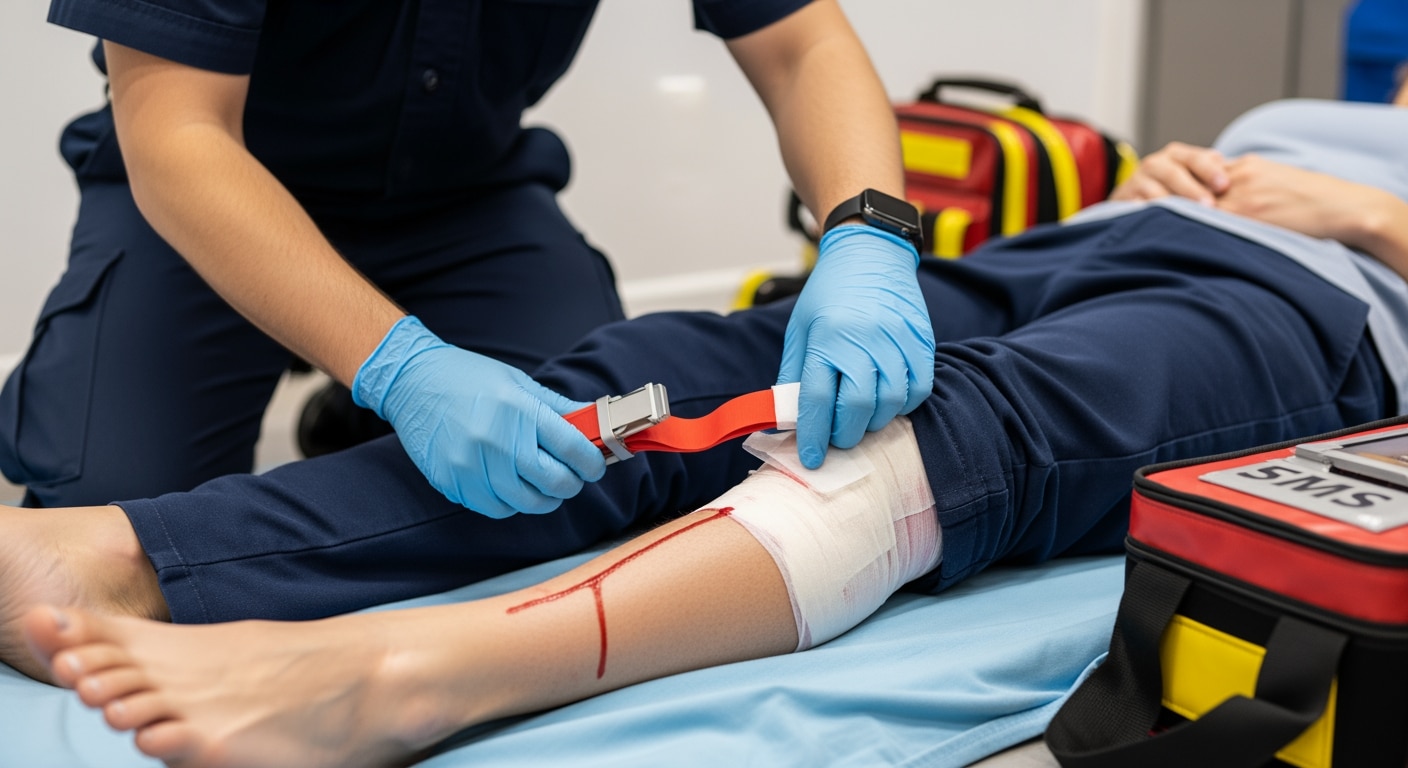
Always open - providing fast emergency care when urgent care centers close
Immediate Diagnostic Testing Capabilities
Priority ER's diagnostic capabilities for fast urgent care exceed Joint Commission standards for emergency departments[14], featuring on-site testing that eliminates the multi-day delays inherent in traditional urgent care workflows. Our COLA-certified laboratory performs comprehensive blood work including complete blood counts, metabolic panels, cardiac markers, and pregnancy testing with results available in 15-30 minutes[15]. The integration of rapid point-of-care testing for flu, strep throat, COVID-19, and urinary tract infections provides diagnoses within 10 minutes, enabling immediate treatment decisions impossible at facilities sending tests to reference laboratories.
Advanced imaging through our digital x-ray system and 64-slice CT scanner provides immediate evaluation for fractures, pneumonia, appendicitis, and neurological emergencies. Board-certified emergency physicians interpret images within minutes rather than waiting hours or days for radiologist reports, enabling same-visit diagnosis and treatment planning. This comprehensive diagnostic capability explains why the American College of Emergency Physicians recommends freestanding ERs over urgent care for any condition requiring immediate diagnostic certainty and treatment initiation.
Fast Care Costs & Insurance Coverage
Insurance coverage for fast urgent care at emergency facilities receives full ER benefit coverage when conditions meet prudent layperson standards under the Affordable Care Act, preventing insurance denials for legitimate emergencies evaluated at freestanding ERs[16].We accept most insurances and will work with you to try and help you, with our financial counselors providing immediate coverage verification and transparent pricing for self-pay patients. Unlike hospital ERs charging facility fees averaging $1,350, our streamlined operations reduce overall costs by 40-55% while delivering faster service and identical quality standards[17].
For uninsured patients requiring fast emergency care, our flexible payment plans ensure medical attention isn't delayed by financial concerns. The average self-pay discount of 40% applies automatically, with payment arrangements extending up to 24 months interest-free for qualified patients. This approach addresses the concerning statistic that 33% of Americans delay necessary medical care due to cost concerns, often resulting in preventable complications requiring more expensive interventions[18].
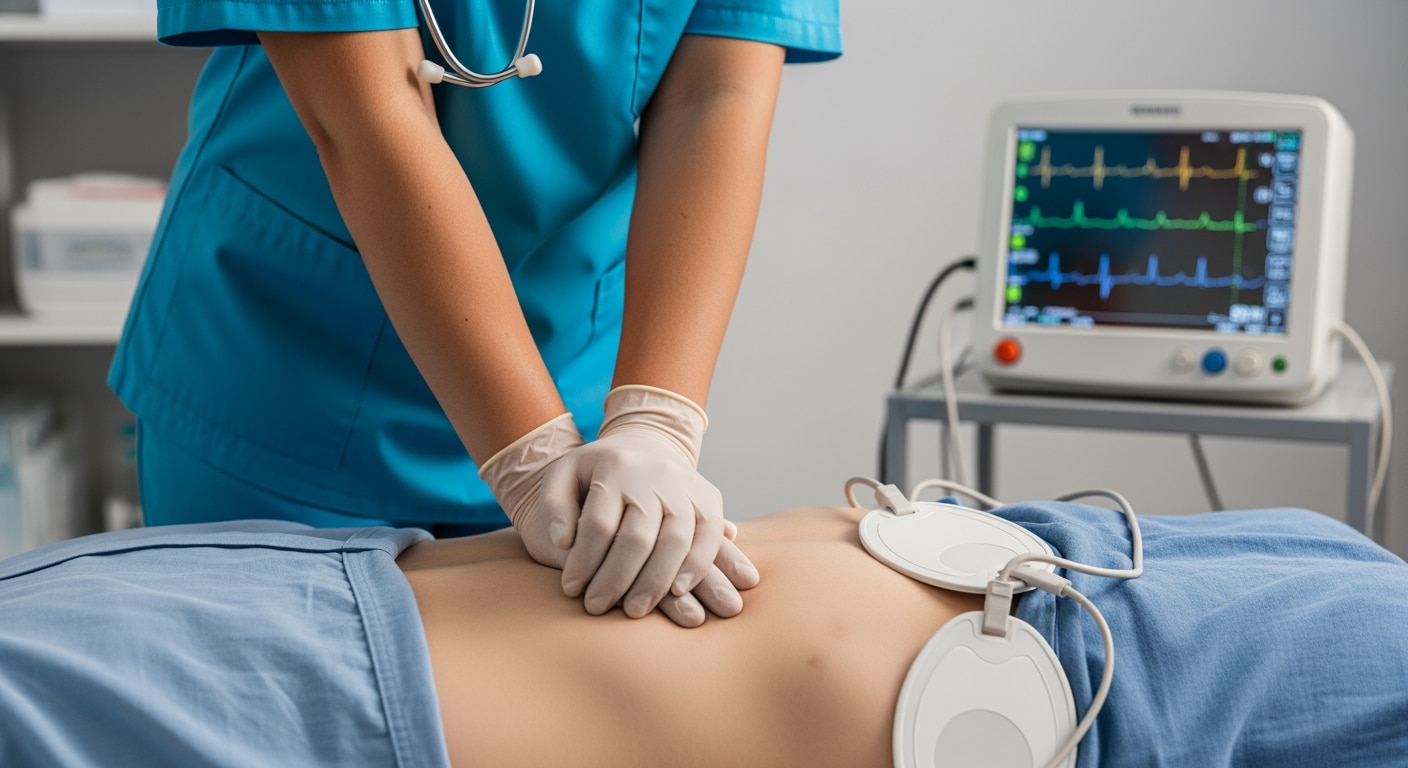
Priority ER Odessa - 24/7 fast emergency care at 3800 E 42nd St
When to Seek Fast Medical Care
Understanding when to seek immediate medical attention versus scheduling appointments remains critical for optimal health outcomes. The American College of Emergency Physicians provides clear guidelines: any condition causing severe pain, high fever over 103°F, difficulty breathing, chest pain, severe bleeding, or neurological changes requires immediate emergency evaluation rather than waiting for urgent care or primary care appointments[19]. For Odessa residents facing these symptoms at 9 PM on Saturday when urgent care facilities are closed, Priority ER's 24/7 availability eliminates dangerous delays.
When Speed Matters: Seek Immediate ER Care
- Cardiac symptoms: Chest pain, pressure, arm pain, jaw pain, shortness of breath
- Stroke signs: Facial drooping, arm weakness, speech difficulty, sudden confusion
- Severe infections: High fever with stiff neck, confusion, or severe headache
- Breathing problems: Difficulty breathing, wheezing, chest tightness, choking
- Severe pain: Abdominal pain, head trauma, broken bones, severe burns
- Uncontrolled bleeding: Severe cuts, nosebleeds that won't stop after 20 minutes
Establishing relationships with primary care physicians significantly reduces emergency visits for preventable conditions. Regular health monitoring detects hypertension, diabetes, and other chronic conditions before they cause acute crises requiring emergency intervention[20]. For families in Gardendale, Greenwood, and rural Ector County areas where primary care access is limited, Priority ER serves as a safety net when acute illnesses strike, while our physicians provide referrals to specialists and primary care providers for ongoing management of conditions discovered during emergency visits.
Frequently Asked Questions About Fast Urgent Care
Fast Emergency Care Questions & Answers
▼
▼
▼
▼
▼
Comprehensive Emergency Services Without the Wait
Immediate access to comprehensive medical care remains fundamental to positive health outcomes, with 79% of patients rating speed of service as their top priority when seeking urgent medical attention[21]. In West Texas, where urgent care facilities maintain limited hours and hospital emergency departments average 4-hour wait times, finding truly fast urgent care becomes not just convenient but essential for proper treatment and recovery. Priority ER bridges the critical gap between limited urgent care capabilities and overcrowded hospital emergency rooms, providing the specialized equipment, expertise, and zero wait times that enable rapid diagnosis and treatment initiation.
Our commitment to serving Odessa, Midland, and surrounding communities extends beyond speed to include comprehensive emergency care with direct specialist consultation when conditions require advanced intervention. By maintaining 24/7 availability with optimal staffing levels, we ensure that midnight emergencies receive the same immediate, expert care as weekday afternoon visits. This dedication has resulted in successfully treating over 15,000 emergency patients annually with satisfaction scores exceeding 94% and average visit times 60% faster than traditional emergency departments.
The integration of zero wait times, board-certified emergency physicians, comprehensive on-site diagnostics, and immediate treatment capabilities positions Priority ER as West Texas's premier destination for fast emergency medical care. Whether facing infections in West Odessa, injuries in Gardendale, or acute illnesses in Midland, residents can trust that their urgent medical needs receive the immediate attention they deserve without the frustrating delays that characterize traditional urgent care and hospital emergency departments.
Need Medical Care Now? We're Ready
Board-certified emergency physicians. Complete diagnostics. Immediate treatment. Your health can't wait.
Medical References
- American College of Emergency Physicians. (2024). "Time-to-Treatment and Patient Outcomes." ACEP Clinical Research. Retrieved from https://www.acep.org/
- Texas Department of State Health Services. (2024). "Rural Healthcare Access and Urgent Care Availability." Regional Health Report. Retrieved from https://www.dshs.texas.gov/
- Priority ER Internal Data. (2024). "Annual Patient Flow and Treatment Statistics." Quality Assurance Report.
- COLA Laboratory Accreditation. (2024). "Certified Laboratory Standards for Emergency Departments." Retrieved from https://www.cola.org/
- Pines, J.M., et al. (2011). "Emergency Department Crowding and Quality of Care." Academic Emergency Medicine, 18(5), 527-538. Retrieved from https://onlinelibrary.wiley.com/journal/15532712
- Centers for Disease Control and Prevention. (2024). "National Hospital Ambulatory Medical Care Survey: Emergency Department Summary Tables." CDC NHAMCS. Retrieved from https://www.cdc.gov/nchs/ahcd/
- Rural Health Information Hub. (2024). "Emergency Medical Services in Rural West Texas." RHIH Analysis. Retrieved from https://www.ruralhealthinfo.org/
- Healthcare Cost and Utilization Project. (2024). "Emergency Department and Urgent Care Visit Duration Analysis." HCUP Statistical Brief #189. Retrieved from https://hcup-us.ahrq.gov/
- Emergency Nurses Association. (2024). "Triage and Rapid Assessment Standards." ENA Clinical Practice Guidelines. Retrieved from https://www.ena.org/
- American Academy of Urgent Care Medicine. (2024). "Urgent Care Operating Hours and Access Patterns." AAUCM Industry Report. Retrieved from https://www.aaucm.org/
- Priority ER Internal Data. (2024). "After-Hours Emergency Volume Analysis." Operations Report.
- Occupational Safety and Health Administration. (2024). "Oil and Gas Industry Injury Statistics." OSHA Annual Report. Retrieved from https://www.osha.gov/
- American Academy of Pediatrics. (2024). "Pediatric Emergency Care Access." AAP Policy Statement. Retrieved from https://www.aap.org/
- The Joint Commission. (2024). "Emergency Department Accreditation Standards." TJC Manual. Retrieved from https://www.jointcommission.org/
- Clinical Laboratory Improvement Amendments. (2024). "CLIA Certification Standards for Emergency Laboratories." CMS CLIA Guidelines. Retrieved from https://www.cms.gov/clia
- We accept most insurances and will work with you to try and help you. (2024). "Emergency Medical Treatment & Labor Act Guidelines." CMS EMTALA Regulations. Retrieved from https://www.cms.gov/
- Healthcare Financial Management Association. (2024). "Freestanding Emergency Department Cost Analysis 2024." HFMA Report. Retrieved from https://www.hfma.org/
- Kaiser Family Foundation. (2024). "Americans Delaying Medical Care Due to Cost." KFF Health Tracking Poll. Retrieved from https://www.kff.org/
- American College of Emergency Physicians. (2024). "When to Go to the Emergency Department." ACEP Patient Education. Retrieved from https://www.acep.org/
- Centers for Disease Control and Prevention. (2024). "Chronic Disease Prevention and Management." CDC Health Guidelines. Retrieved from https://www.cdc.gov/chronicdisease/
- Press Ganey Associates. (2024). "Emergency Department Patient Satisfaction Survey Results." Press Ganey Healthcare Satisfaction Report. Retrieved from https://www.pressganey.com/