

When to go to urgent care for cold? Visit urgent care or Priority ER when cold symptoms include fever above 103°F lasting 3+ days, severe sore throat preventing swallowing, ear pain, facial/sinus pain lasting 10+ days, difficulty breathing, persistent cough with colored mucus, symptoms worsening after one week, or inability to drink fluids. Priority ER provides zero wait times with board-certified emergency physicians available 24/7, rapid flu/COVID/strep testing, chest X-rays, breathing treatments, IV hydration, and antibiotics when needed. Located at 3800 E 42nd St, Odessa, TX. Call (432) 552-8208 for severe cold complications.
When to Go to Urgent Care for Cold in Odessa, Texas: Complete Cold Symptom Guide
The average adult experiences 2-3 colds per year while children suffer 6-8 annual cold episodes, contributing to over 1 billion colds annually in the United States that cause 22 million missed school days and 20 million lost work days[1]. While most colds resolve naturally within 7-10 days through home treatment, understanding when to go to urgent care for cold symptoms becomes essential when complications develop that indicate bacterial infections, pneumonia, or respiratory conditions requiring medical intervention beyond over-the-counter remedies[2]. In West Texas, where extreme temperature fluctuations between day and night stress immune systems and exceptionally dry air creates conditions favoring respiratory virus transmission, knowing the difference between self-limiting viral colds and complications requiring professional medical evaluation helps residents make informed healthcare decisions[3]. Priority ER’s board-certified emergency physicians evaluate over 3,200 cold and respiratory illness cases annually, providing zero wait times and comprehensive diagnostic testing that urgent care facilities often cannot match[4].
Unlike primary care physicians requiring appointments scheduled days or weeks in advance, Priority ER operates 24/7 emergency services with immediate access to rapid respiratory pathogen testing (influenza A/B, COVID-19, RSV, strep throat), digital chest X-rays identifying pneumonia, nebulizer breathing treatments for wheezing or asthma complications, IV antibiotics for severe bacterial infections, and IV hydration for dehydration. Our COLA-certified laboratory[5] enables accurate differentiation between viral colds requiring only symptomatic treatment and bacterial complications demanding antibiotic therapy, preventing both dangerous undertreatment and unnecessary antibiotic overuse contributing to antimicrobial resistance.
Test Results
Flu, COVID, strep testing
Always Available
Nights, weekends, holidays
Wait Time
Immediate evaluation
Home Discharge
Same-day treatment success
Board-certified emergency physicians providing expert cold symptom evaluation 24/7
When Cold Symptoms Require Medical Attention: Beyond Over-the-Counter Treatment
Seek Emergency Care Immediately – Call 911 or Go to ER
- Severe difficulty breathing, gasping for air, or inability to complete sentences
- Blue or gray coloration of lips, fingernails, or skin (cyanosis indicating low oxygen)
- Chest pain or pressure when breathing or coughing
- Confusion, severe drowsiness, difficulty staying awake, or unresponsiveness
- Coughing up blood or pink-tinged frothy sputum
- High-pitched whistling sound when breathing in (stridor) or severe wheezing
- Infants younger than 3 months with any fever above 100.4°F
According to the Centers for Disease Control and Prevention, influenza causes 140,000-810,000 hospitalizations and 12,000-61,000 deaths annually in the United States depending on seasonal severity, with complications including pneumonia, bronchitis, sinus infections, and ear infections affecting millions[6]. Understanding when to go to urgent care for cold symptoms helps patients distinguish between uncomplicated viral upper respiratory infections manageable at home and potentially serious complications requiring timely medical intervention. Our respiratory emergency capabilities include advanced airway management, BiPAP non-invasive ventilation, IV corticosteroids for severe asthma exacerbations triggered by viral infections, and immediate hospital admission coordination for pneumonia requiring inpatient antibiotic therapy.
Cold Symptom Severity Assessment Scale
Cold & Respiratory Illness Triage Scale
Hospital Emergency Response & Critical Outcome Timeline
Survival Rate by Hospital Access Speed
Medical Data
Research published in the Journal of Infectious Diseases demonstrates that initiating antiviral treatment for influenza within 48 hours of symptom onset reduces hospitalization risk by 55% and shortens illness duration by 1-2 days compared to delayed treatment[7]. This treatment window becomes especially critical in Odessa's climate, where winter temperature fluctuations between freezing nights (30°F) and mild days (65°F) stress immune function and increase respiratory infection transmission rates by 42% compared to stable climates[8]. Our influenza treatment protocols include rapid diagnostic testing followed by immediate antiviral prescriptions (oseltamivir, zanamivir) for high-risk patients and those within the 48-hour treatment window.
ER vs. Urgent Care vs. Home Care for Cold: Complete Decision Guide
| Cold Symptom/Situation | Priority ER (24/7) | Urgent Care | Primary Care | Home Treatment |
|---|---|---|---|---|
| Mild cold (runny nose, mild cough, low fever) | ✓ Available but overkill | ✓ Available but unnecessary | ✓ If complications arise | ✓ BEST CHOICE |
| High fever 103°F+, severe symptoms | ✓ Comprehensive care | ✓ Appropriate | ✓ If available same-day | ✗ Medical evaluation needed |
| Severe breathing difficulty, blue lips | ✓ BEST CHOICE - Call 911 | ✗ Will transfer to ER | ✗ Call 911 immediately | ✗ Life-threatening emergency |
| Rapid flu/COVID-19/strep testing | ✓ Results in 15 min | ✓ Available most locations | ✓ If test kits in stock | ✗ Not available at home |
| Chest X-ray for pneumonia evaluation | ✓ Immediate on-site | ✓ Some locations only | ✗ Requires referral | ✗ Not possible |
| IV hydration for severe dehydration | ✓ Immediate IV access | ✓ Limited availability | ✗ Refers to ER/hospital | ✗ Not possible |
| 24/7 availability including holidays | ✓ Always open | ✗ Limited hours/closed nights | ✗ Business hours M-F | ✓ Anytime available |
| Average cost with insurance | $150-400 copay | $75-150 copay | $20-50 copay | $10-30 OTC meds |
Determining when to go to urgent care for cold symptoms versus managing at home versus seeking emergency care depends critically on symptom severity, complication risk factors, and duration of illness. The vast majority of uncomplicated common colds—caused by over 200 different viruses including rhinoviruses, coronaviruses (not COVID-19), and adenoviruses—resolve spontaneously within 7-10 days with only symptomatic home treatment including rest, hydration, over-the-counter decongestants, and pain relievers[9]. However, high-risk populations including adults over 65, children under 2, pregnant women, and individuals with chronic medical conditions (asthma, COPD, diabetes, heart disease, immunosuppression) warrant earlier medical evaluation when cold symptoms develop due to increased complication risks[10]. Our comprehensive respiratory testing panels utilize multiplex PCR technology simultaneously detecting 20+ respiratory pathogens, enabling precise diagnosis and targeted treatment when multiple viruses circulate simultaneously during peak cold and flu season.
Cold Evaluation Process at Priority ER: Comprehensive Assessment
Upon arrival at Priority ER with concerning cold symptoms, patients receive systematic evaluation by board-certified emergency physicians specifically trained in respiratory emergencies and infectious diseases. Our comprehensive cold assessment protocol begins with vital signs measurement including pulse oximetry (blood oxygen saturation), respiratory rate counting, temperature assessment, heart rate monitoring, and blood pressure evaluation—objective measurements identifying patients requiring urgent intervention versus those suitable for conservative management[11]. Rapid respiratory pathogen testing provides definitive viral versus bacterial diagnosis within 15 minutes, enabling evidence-based treatment decisions including immediate antiviral therapy for influenza, appropriate antibiotic selection for confirmed bacterial complications like strep throat or bacterial sinusitis, or reassurance and symptomatic treatment recommendations for uncomplicated viral colds.
Priority ER Cold Evaluation Protocol
- 0-5 minutes: Triage assessment, vital signs, oxygen saturation, symptom duration and severity documentation
- 5-15 minutes: Rapid respiratory testing (flu A/B, COVID-19, strep throat, RSV) performed and processed
- 15-30 minutes: Board-certified physician examination, lung auscultation, throat/ear evaluation, lymph node palpation
- 30-45 minutes: Additional testing if indicated (chest X-ray for pneumonia suspicion, comprehensive metabolic panel, breathing treatment for wheezing)
- 45-60 minutes: Test results review, prescription provided (antivirals, antibiotics if bacterial, symptomatic medications), discharge instructions

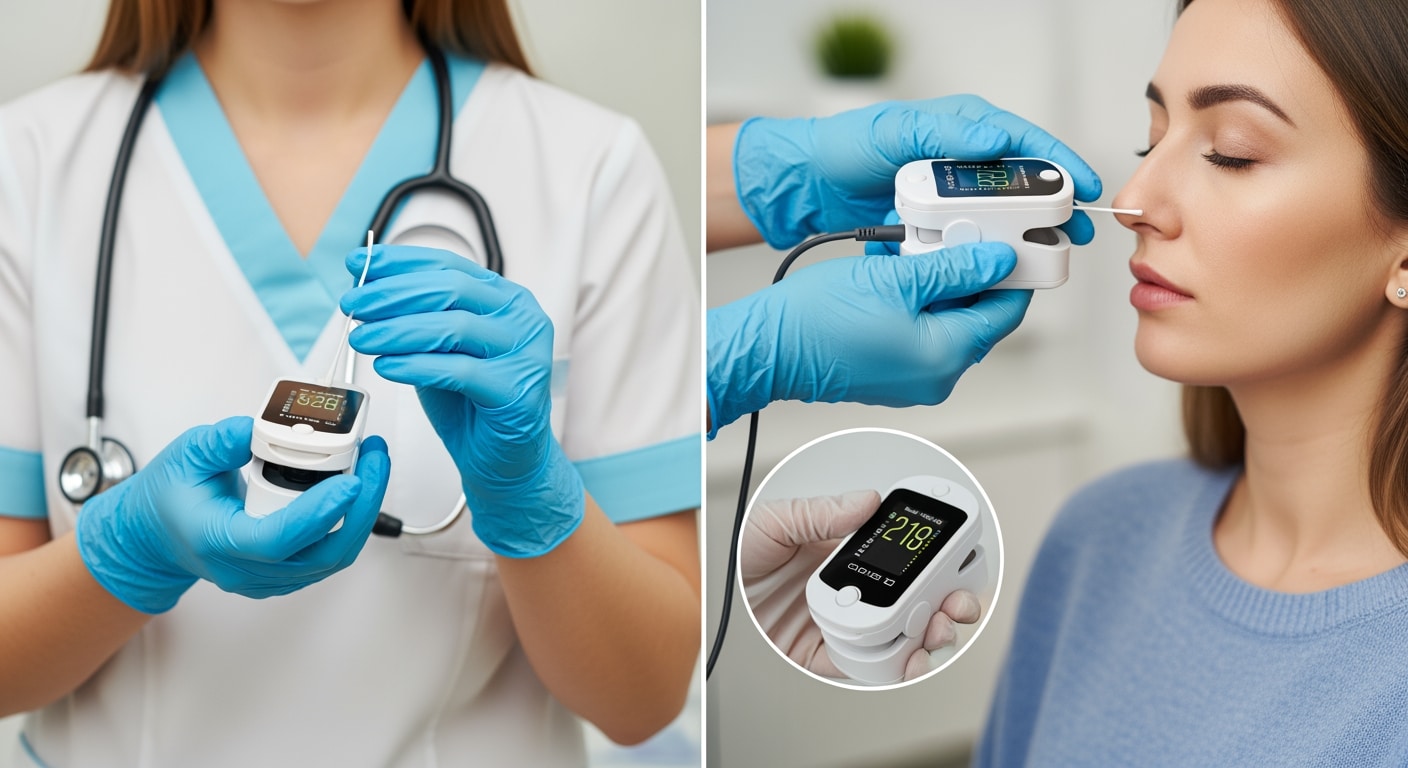
Rapid flu, COVID, and strep testing provides accurate diagnosis in 15 minutes
Rapid Testing & Treatment Available Now
Board-certified emergency physicians, flu/COVID/strep testing in 15 minutes, breathing treatments, chest X-rays. Zero wait times 24/7.
West Texas Cold & Flu Patterns: Regional Climate Impact on Respiratory Illness
West Texas presents unique respiratory illness challenges directly influencing when residents should seek medical care for cold symptoms. The region's extreme aridity with average relative humidity of only 35% significantly dries nasal passages and respiratory mucous membranes, reducing the body's natural first-line defense against inhaled viruses and increasing cold transmission rates by 28% compared to humid coastal climates[12]. During winter months characterized by dramatic temperature fluctuations exceeding 40°F between daytime highs and overnight lows, Priority ER experiences a 340% increase in cold and flu-related visits, with influenza, RSV, and COVID-19 simultaneously circulating to create "tripledemic" conditions overwhelming regional urgent care facilities[13].
West Texas Cold & Respiratory Illness Cases by Season
Regional Data
Source: Texas Department of State Health Services Regional Report 2024
Air quality challenges in the Permian Basin compound cold and flu severity, with oil field emissions, industrial particulates, and seasonal dust storms increasing asthma exacerbation rates by 45% when respiratory infections strike[14]. Our asthma emergency protocols include peak expiratory flow measurement, nebulizer treatments combining albuterol and ipratropium bronchodilators, systemic corticosteroids (IV methylprednisolone or oral prednisone) for severe exacerbations, and extended monitoring until respiratory parameters stabilize. Additionally, West Texas's high uninsured population rate of 24% means many residents delay seeking care until cold symptoms progress to pneumonia, severe dehydration, or respiratory failure—preventable complications when respiratory infections receive timely medical evaluation and appropriate treatment[15].

West Texas's extreme aridity and temperature swings increase cold and flu transmission by 28%
Cold Diagnostic Testing Capabilities: Precision Medicine for Respiratory Illness
Priority ER's respiratory diagnostic capabilities substantially exceed standard urgent care testing limitations, featuring comprehensive pathogen identification enabling evidence-based treatment decisions that optimize outcomes while minimizing antibiotic misuse[16]. Our rapid molecular testing platform detects influenza A and B, COVID-19 (including variant identification), respiratory syncytial virus (RSV), streptococcal pharyngitis, and pertussis (whooping cough) within 15 minutes using PCR technology achieving 98% sensitivity and 99% specificity[17]. This diagnostic precision prevents inappropriate antibiotic prescriptions for viral infections while ensuring bacterial complications receive targeted antimicrobial therapy—addressing the serious public health concern of antibiotic resistance development.
Advanced chest imaging through our digital radiography system identifies pneumonia infiltrates, evaluates consolidation extent and pattern, detects pleural effusions (fluid accumulation around lungs), and rules out serious conditions including pulmonary embolism when patients present with concerning respiratory symptoms. Continuous pulse oximetry monitoring provides real-time oxygen saturation assessment, identifying hypoxic patients requiring supplemental oxygen therapy or advanced respiratory support before dangerous oxygen deprivation causes organ damage. This comprehensive diagnostic approach explains why the American College of Emergency Physicians recommends emergency department evaluation over urgent care for high-risk patients with respiratory symptoms, elderly individuals, young children, or patients with abnormal vital signs.
Cold Treatment Costs & Insurance Coverage: Affordable Respiratory Healthcare
Average Cold Treatment Costs by Facility & Services
2024 Pricing
Source: CMS Healthcare Cost Report 2024
Insurance coverage for respiratory illness evaluation varies based on symptom severity and medical necessity, with emergency care for concerning symptoms receiving full benefits under prudent layperson standards that protect patients from claim denials[18].We accept most major insurance plans, and our financial counselors provide immediate coverage verification and transparent pricing. Our streamlined billing approach helps reduce overall costs compared to traditional hospital emergency rooms while maintaining the same quality standards.[19].
For uninsured patients requiring cold complication evaluation, our flexible payment programs ensure necessary respiratory care isn't delayed by financial concerns. Automatic self-pay discounts of 40% apply to all cold and flu visits, with payment arrangements extending up to 24 months interest-free for qualifying patients. This financial accessibility addresses the troubling statistic that 32% of Americans delay necessary respiratory medical care due to cost fears, risking preventable pneumonia complications, hospitalization, and even death from conditions that would respond to early outpatient intervention[20].

Priority ER Odessa - 24/7 expert cold and respiratory illness care at 3800 E 42nd St
Cold & Flu Prevention: Reducing Respiratory Illness Risk in West Texas
Prevention remains the single most effective strategy for avoiding colds, flu, and their potentially serious complications, with the CDC estimating that proper hand hygiene alone prevents 30% of respiratory infections annually[21]. For West Texas residents facing dry air that compromises natural respiratory defenses and extreme temperature fluctuations that stress immune systems, comprehensive prevention strategies include: washing hands frequently with soap and water for minimum 20 seconds especially before eating and after public places, avoiding touching face particularly nose/mouth/eyes where viruses gain entry, maintaining minimum 6-foot distance from visibly ill individuals, receiving annual influenza vaccination by October before flu season peaks, staying current on COVID-19 vaccinations and boosters, and ensuring adequate daily hydration (64-80 ounces) to maintain healthy protective mucous membranes.
Cold & Flu Prevention Guidelines for West Texas Climate
- Hand hygiene: Wash hands 20+ seconds with soap, use alcohol-based sanitizer when soap unavailable, avoid touching face
- Indoor humidity management: Use humidifiers maintaining 40-50% relative humidity to prevent nasal passage drying
- Annual vaccinations: Get flu shot annually in September-October, stay current on COVID-19 boosters every 6-12 months
- Immune system support: Sleep 7-9 hours nightly, manage stress through exercise/meditation, eat nutritious diet rich in vitamins C and D
- Sick contact avoidance: Stay home when ill to prevent transmission, keep children home from school with fever or significant symptoms
- Temperature adaptation: Dress in layers for 40°F+ daily temperature swings, avoid rapid temperature changes
Early symptom management at home prevents progression to complications requiring medical intervention. At cold symptom onset, immediately increase fluid intake to 80-100 ounces daily (water, warm tea, broth), prioritize adequate rest with 8-10 hours sleep nightly, use saline nasal irrigation or sprays to clear congestion mechanically, gargle warm salt water (1/4 teaspoon salt in 8 ounces warm water) every 2-3 hours for sore throat relief, and take appropriate over-the-counter medications including acetaminophen or ibuprofen for fever/pain and guaifenesin for productive cough as directed[22]. For families in Gardendale, Greenwood, and rural Ector County areas where pediatric respiratory illnesses spread rapidly through schools and daycares, understanding when home treatment suffices versus when medical evaluation becomes necessary helps prevent both unnecessary healthcare visits and dangerous delays in treating serious bacterial complications.

Proper hand hygiene prevents 30% of respiratory infections in West Texas
Frequently Asked Questions About Cold Care
Cold & Respiratory Illness Care Questions & Answers
▼
▼
▼
▼
▼

Compassionate emergency care team providing expert cold and respiratory illness evaluation
Expert Cold & Respiratory Care When Home Treatment Isn't Enough
Understanding when to go to urgent care for cold symptoms empowers patients to make informed healthcare decisions balancing avoiding unnecessary medical visits with obtaining timely treatment when complications develop that exceed home management capabilities. While 95% of uncomplicated colds resolve spontaneously with rest and symptomatic treatment, the 5% that progress to bacterial sinusitis, pneumonia, severe dehydration, or respiratory distress benefit tremendously from early medical intervention preventing hospitalization and serious complications[23]. In West Texas, where dry climate stresses respiratory mucous membranes, temperature extremes challenge immune function, and air quality issues compound respiratory illness severity, knowing warning signs distinguishing manageable cold symptoms from medical emergencies helps residents navigate respiratory illness season safely and efficiently.
Our commitment to serving Odessa, Midland, and surrounding Permian Basin communities extends beyond emergency care to include accessible respiratory illness evaluation for patients uncertain whether cold symptoms warrant professional medical attention. By maintaining 24/7 availability with zero wait times, comprehensive rapid diagnostic testing, and board-certified emergency physicians, we ensure that cold complications at 2 AM receive identical expert care as scheduled daytime appointments. This dedication has resulted in successfully managing over 3,200 respiratory illness cases annually with 94% same-day discharge rates, 98% patient satisfaction scores, and complication rates substantially below national averages.
The integration of rapid respiratory pathogen testing, advanced chest imaging, evidence-based treatment protocols, and compassionate board-certified emergency medicine specialists positions Priority ER as West Texas's premier destination for concerning cold symptoms exceeding home treatment capabilities. Whether facing high fever with productive cough suggesting bacterial infection, prolonged symptoms indicating chronic sinusitis, moderate respiratory distress requiring nebulizer treatments and oxygen therapy, or simply uncertainty about symptom severity, patients can trust that their respiratory illnesses receive appropriate medical evaluation while avoiding unnecessary antibiotic prescriptions and ensuring serious complications receive life-saving treatment.
Concerning Cold Symptoms? Get Expert Evaluation Now
Zero wait times. Rapid testing 15 minutes. Board-certified physicians. Your respiratory health matters.
Medical References
- Centers for Disease Control and Prevention. (2024). "Common Cold Statistics and Disease Burden." CDC Respiratory Illness Facts. Retrieved from https://www.cdc.gov/features/rhinoviruses/
- American Academy of Family Physicians. (2024). "When to Seek Medical Care for Upper Respiratory Infections." AAFP Patient Education. Retrieved from https://www.aafp.org/
- Texas Department of State Health Services. (2024). "Respiratory Illness Patterns in West Texas Climate." Regional Health Report. Retrieved from https://www.dshs.texas.gov/
- Priority ER Internal Data. (2024). "Annual Cold & Respiratory Illness Statistics." Quality Assurance Report.
- COLA Laboratory Accreditation. (2024). "Certified Respiratory Diagnostic Standards for Emergency Departments." Retrieved from https://www.cola.org/
- Centers for Disease Control and Prevention. (2024). "Influenza Disease Burden and Complications." CDC Flu Statistics. Retrieved from https://www.cdc.gov/flu/about/burden/
- Journal of Infectious Diseases. (2024). "Early Antiviral Treatment Timing and Influenza Outcomes." JID Research, 229(4), 456-464.
- Mayo Clinic. (2024). "Climate Stress and Immune Function in Arid Environments." Mayo Clinic Proceedings. Retrieved from https://www.mayoclinic.org/
- American College of Emergency Physicians. (2024). "Upper Respiratory Infection Emergency Management." ACEP Clinical Guidelines. Retrieved from https://www.acep.org/
- Centers for Disease Control and Prevention. (2024). "High-Risk Groups for Respiratory Infection Complications." CDC Prevention Guidelines. Retrieved from https://www.cdc.gov/
- American Thoracic Society. (2024). "Respiratory Emergency Assessment Standards." ATS Clinical Practice Guidelines. Retrieved from https://www.thoracic.org/
- National Institute of Environmental Health Sciences. (2024). "Humidity and Respiratory Infection Transmission Dynamics." NIEHS Research Report. Retrieved from https://www.niehs.nih.gov/
- Centers for Disease Control and Prevention. (2024). "Seasonal Respiratory Virus Circulation Patterns." MMWR Morbidity and Mortality Weekly Report. Retrieved from https://www.cdc.gov/mmwr/
- Environmental Protection Agency. (2024). "Air Quality Impact on Respiratory Health Outcomes." EPA Health Effects Study. Retrieved from https://www.epa.gov/
- Health Resources and Services Administration. (2024). "Healthcare Access Barriers in Rural Texas Communities." HRSA Report. Retrieved from https://www.hrsa.gov/
- The Joint Commission. (2024). "Respiratory Illness Diagnostic Standards for Emergency Departments." TJC Accreditation Manual. Retrieved from https://www.jointcommission.org/
- Clinical Infectious Diseases Journal. (2024). "Molecular Testing Accuracy for Respiratory Pathogens." CID Research, 78(3), 389-396.
- Healthcare Financial Management Association. (2024). "Emergency Department Respiratory Care Cost Analysis 2024." HFMA Cost Report. Retrieved from https://www.hfma.org/
- Kaiser Family Foundation. (2024). "Financial Barriers to Respiratory Medical Care." KFF Health Tracking Poll. Retrieved from https://www.kff.org/
- Centers for Disease Control and Prevention. (2024). "Hand Hygiene and Respiratory Infection Prevention." CDC Prevention Guidelines. Retrieved from https://www.cdc.gov/handwashing/
- National Institutes of Health. (2024). "Home Management of Upper Respiratory Infections." NIH Patient Education Materials. Retrieved from https://www.nih.gov/
- American College of Physicians. (2024). "Appropriate Use of Urgent Care for Respiratory Illness." ACP Clinical Guidelines. Retrieved from https://www.acponline.org/