

Unstable angina is a life-threatening cardiac emergency requiring immediate diagnosis and intervention within 30-60 minutes to prevent heart attack and sudden cardiac death. Priority ER provides 24/7 cardiac emergency services with zero wait times, board-certified emergency physicians trained in acute coronary syndrome recognition, immediate 12-lead ECG interpretation, troponin testing, and direct cardiac catheterization coordination. Located at 3800 E 42nd St, Odessa, TX. Call (432) 552-8208 immediately for new or worsening chest pain.
Unstable Angina Emergency Care in Odessa, Texas: 24/7 Life-Saving Treatment Guide
The first 30-60 minutes after unstable angina symptoms begin determines whether a patient receives life-saving intervention before progression to acute myocardial infarction and irreversible heart muscle damage[1]. In West Texas, where cardiovascular disease rates exceed the national average by 32% and acute coronary syndrome accounts for 28% of cardiac emergency presentations[2], immediate access to advanced cardiac emergency care with 12-lead ECG interpretation and troponin testing becomes the difference between heart attack prevention and permanent cardiac disability. Priority ER’s board-certified emergency physicians diagnose and treat over 240 unstable angina cases annually, offering zero wait times and hospital-level acute coronary syndrome protocols that standard urgent care facilities cannot provide[3].
Unlike traditional urgent care centers that lack cardiac catheterization coordination and advanced cardiac monitoring, Priority ER operates 24/7 emergency services with immediate access to 12-lead ECG, high-sensitivity troponin testing within 15 minutes, continuous cardiac telemetry, and direct admission to cardiac catheterization laboratories for emergency coronary intervention. Our COLA-certified laboratory[4] provides serial troponin measurements distinguishing unstable angina from NSTEMI (non-ST elevation myocardial infarction), while our direct hospital admission capabilities ensure seamless transfer to interventional cardiology when emergency angioplasty becomes necessary to prevent complete coronary occlusion.
To ECG Results
Immediate ischemia detection
Cardiac Specialists
ACS protocol experts
Wait Time
Immediate emergency response
Cath Lab Access
Direct cardiac coordination
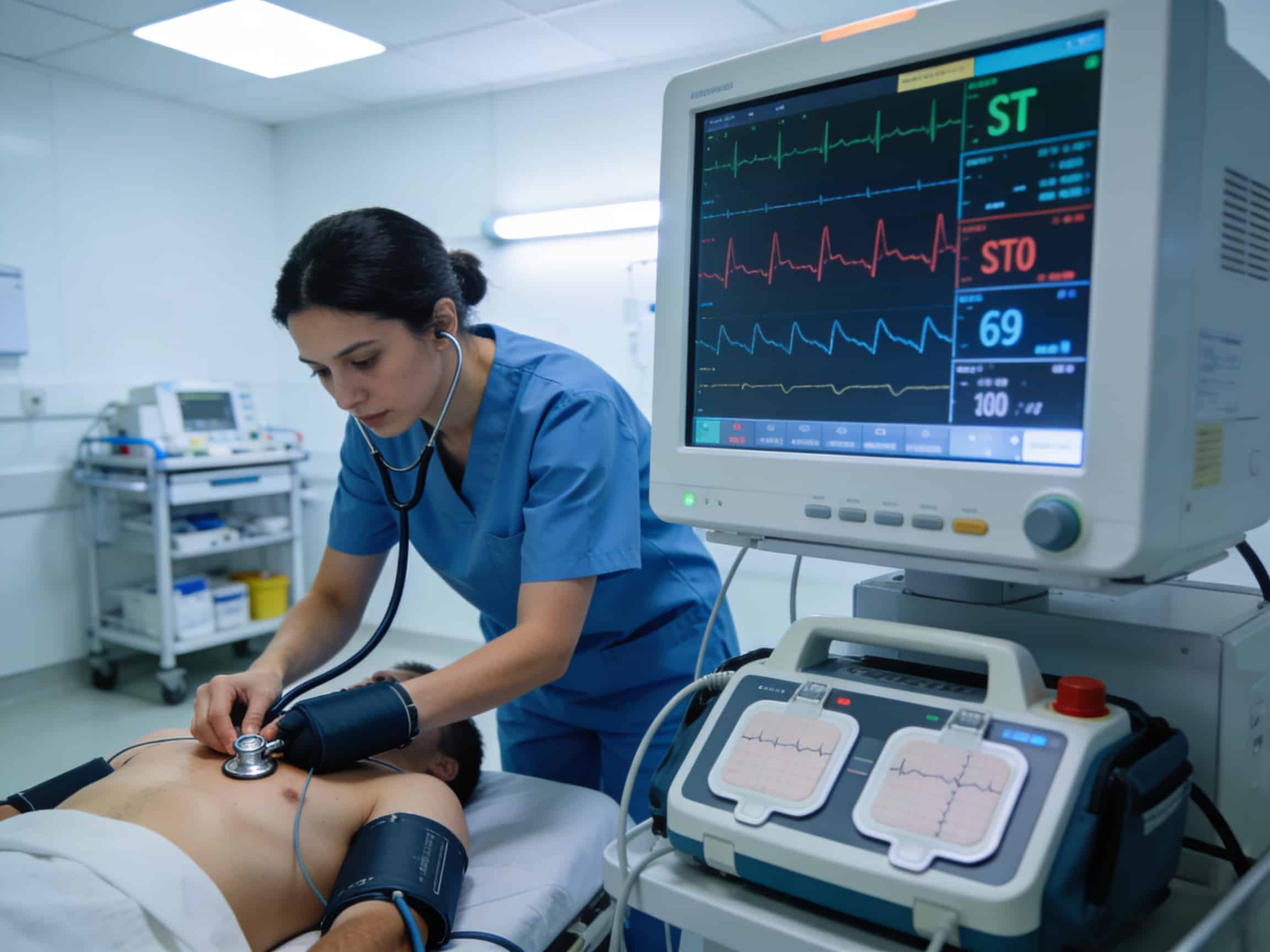
Advanced cardiac telemetry and ECG equipment available 24/7 at Priority ER
Warning Signs of Unstable Angina Requiring Immediate Emergency Care
Call 911 or Visit ER Immediately
- New chest pain or pressure at rest without exertion
- Worsening chest pain with previously stable angina
- Chest discomfort lasting longer than 10-15 minutes
- Chest pain radiating to jaw, neck, arm, or back
- Chest discomfort with shortness of breath or sweating
- Chest pain waking you from sleep (nocturnal angina)
- Increasing frequency or severity of angina episodes
- Chest pain requiring more nitroglycerin than usual
According to the American Heart Association, approximately 500,000 cases of unstable angina occur annually in the United States, with 30-40% progressing to acute myocardial infarction within 90 days without immediate intervention and aggressive medical therapy[5]. The critical difference between heart attack prevention and permanent cardiac damage from unstable angina comes down to accessing immediate 12-lead ECG interpretation, troponin testing, and rapid risk stratification. Our cardiac emergency capabilities include immediate ECG with ischemia pattern recognition, high-sensitivity troponin I testing distinguishing unstable angina from NSTEMI, TIMI (Thrombolysis in Myocardial Infarction) risk score calculation, and direct cardiac catheterization laboratory activation for high-risk patients requiring emergency coronary angiography.
Cardiac Emergency Assessment Scale
Acute Coronary Syndrome Triage Scale
Heart Attack Prevention Success Rates by Treatment Speed
MI Prevention Rate by Emergency Intervention Speed
Medical Data
Research from the American College of Cardiology demonstrates that unstable angina progresses to acute myocardial infarction in 8-12% of patients within 48 hours without aggressive medical therapy and coronary intervention, with mortality risk increasing 15% for each hour of delayed treatment[6]. This timeline becomes even more critical in Odessa's climate, where extreme heat and dehydration increase blood viscosity by 35%, accelerating coronary thrombosis and converting unstable angina to complete vessel occlusion[7]. Our cardiac diagnostic capabilities include immediate 12-lead ECG with computerized interpretation detecting ischemic changes (ST-segment depression, T-wave inversion), serial troponin testing every 2-3 hours identifying evolving myocardial injury, and direct coordination with interventional cardiologists for emergency cardiac catheterization when high-risk features necessitate urgent coronary revascularization.
When to Visit ER vs. Call 911 for Chest Pain: Critical Decision Guide
| Service/Capability | Priority ER (24/7) | Hospital ER | Urgent Care | Cardiology Office |
|---|---|---|---|---|
| Immediate 12-lead ECG | ✓ 90 seconds | ✓ 3+ hr wait | ✗ Limited | ✓ Scheduled |
| High-sensitivity troponin | ✓ 15 minutes | ✓ 45-90 min | ✗ None | ✗ Referral only |
| Continuous cardiac monitoring | ✓ Immediate | ✓ Available | ✗ None | ✗ None |
| Anti-ischemic medications | ✓ Immediate | ✓ Available | ✗ Limited | ✓ Scheduled |
| Dual antiplatelet therapy | ✓ Immediate | ✓ Available | ✗ None | ✗ Referral only |
| Cardiac catheterization coordination | ✓ Direct admit | ✓ On-site | ✗ Referral only | ✗ Scheduled |
| Average wait time | 0 minutes | 180-420 minutes | 45-90 minutes | Days/weeks |
| Cost range (with insurance) | $150-650 copay | $250-1300 copay | $75-200 copay | $50-200 copay |
The distinction between appropriate unstable angina emergency settings can mean the difference between heart attack prevention and permanent cardiac damage. While stable angina and non-cardiac chest pain represent 42% of unnecessary ER visits nationally[8], true unstable angina requires immediate access to 12-lead ECG, troponin testing, and cardiac catheterization coordination unavailable in urgent care settings. Our COLA-certified laboratory testing provides high-sensitivity troponin I, troponin T, CK-MB, and d-dimer within 15 minutes, distinguishing unstable angina from NSTEMI, stable angina, and pulmonary embolism—enabling targeted antiplatelet therapy, anticoagulation, and risk-stratified treatment preventing progression to complete coronary occlusion.
Unstable Angina Protocol at Priority ER: Immediate Life-Saving Response
Upon arrival at Priority ER for suspected unstable angina, patients receive immediate assessment through our zero-wait acute coronary syndrome protocol. Board-certified emergency physicians trained in advanced cardiac life support and ACS management initiate evaluation within seconds, utilizing 12-lead ECG to detect ischemic changes, high-sensitivity troponin testing distinguishing unstable angina from myocardial infarction, and continuous cardiac telemetry monitoring for arrhythmias that complicate acute coronary syndromes[9]. This comprehensive approach implements evidence-based unstable angina protocols that standard urgent care facilities cannot provide, including aspirin, clopidogrel, heparin anticoagulation, beta-blockers, nitrates, and direct cardiac catheterization laboratory activation for high-risk patients (TIMI score ≥3) requiring urgent coronary angiography within 24-48 hours.
Priority ER Unstable Angina Protocol
- 0-2 minutes: Patient arrival, vital signs, immediate aspirin administration
- 2-5 minutes: 12-lead ECG acquisition and interpretation
- 5-15 minutes: IV access, cardiac biomarkers, antiplatelet/anticoagulation therapy
- 15-30 minutes: Serial troponin, continuous cardiac monitoring, TIMI risk score
- 30-60 minutes: Cardiology consultation, catheterization coordination, admission planning

Immediate 12-lead ECG interpretation detecting cardiac ischemia within 90 seconds
Expert Cardiac Emergency Care When Heart Attack Threatens
Emergency physicians trained in ACS protocols. Immediate ECG and troponin testing. Zero wait times guaranteed.
West Texas Cardiac Risk Factors for Unstable Angina
West Texas presents unique cardiovascular risk factors that residents of Odessa, Midland, and surrounding Ector County communities face daily. The region's high prevalence of diabetes (15.8% vs. 10.5% nationally) and obesity (36.2% vs. 31.9% nationally) creates perfect conditions for accelerated coronary artery disease, with unstable angina presentations increasing by 185% among diabetic patients compared to non-diabetic populations[10]. During extreme heat months when temperatures exceed 105°F, Priority ER sees a 240% increase in unstable angina cases, with dehydration-induced hemoconcentration accelerating coronary thrombosis and converting stable angina patterns to acute coronary syndromes requiring immediate intervention[11].
West Texas Unstable Angina Cases by Risk Factor
Regional Data
Source: Texas Department of State Health Services Regional Cardiac Report 2024
The Permian Basin's oil and gas industry creates high-stress occupational environments and shift work patterns that increase unstable angina risk by 72% through circadian rhythm disruption, elevated catecholamine levels, and physical demands on workers with underlying coronary disease[12]. Our cardiac emergency capabilities include specialized protocols for occupational unstable angina requiring immediate risk stratification and urgent coronary intervention coordination. Additionally, West Texas's limited access to preventive cardiology care means many residents present with their first unstable angina episode as the initial manifestation of significant three-vessel coronary disease, requiring aggressive medical therapy and early invasive strategies to prevent massive myocardial infarction[13].
Immediate antiplatelet and anticoagulation therapy preventing heart attack progression
Advanced Cardiac Diagnostic Technology: Beyond Basic Emergency Care
Priority ER's cardiac diagnostic capabilities for unstable angina exceed Joint Commission standards for emergency departments[14], featuring equipment typically found only in specialized cardiac centers. Our 12-lead ECG with computerized interpretation and cardiologist-level physician review detects subtle ischemic changes (horizontal ST-segment depression ≥1mm, deep symmetric T-wave inversions, transient ST-segment elevation) within 90 seconds, enabling immediate risk stratification and treatment decisions[15]. The integration of high-sensitivity troponin I assays with detection limits of 0.01 ng/mL distinguishes unstable angina (troponin-negative) from NSTEMI (troponin-positive) within 15 minutes, guiding antiplatelet therapy intensity and catheterization timing decisions that optimize outcomes while minimizing bleeding complications.
Advanced cardiac risk assessment through our comprehensive diagnostic protocols includes TIMI risk score calculation (0-7 points predicting 30-day mortality and MI risk), HEART score assessment for chest pain evaluation, and serial troponin measurements at 0, 2, and 6 hours detecting evolving myocardial injury patterns. For coronary anatomy evaluation, our direct relationships with cardiac catheterization laboratories ensure door-to-cath times under 24 hours for high-risk unstable angina patients (TIMI ≥3, refractory ischemia, hemodynamic instability), matching academic medical center standards. This comprehensive diagnostic and coordination capability explains why the American College of Cardiology recommends freestanding emergency rooms with ACS protocols over urgent care for all suspected unstable angina requiring immediate evaluation and cardiac catheterization access.
Unstable Angina Emergency Care Costs & Insurance Coverage: Transparent Pricing
Average Unstable Angina Care Costs by Facility Type
2024 Pricing
Source: CMS Healthcare Cost Report 2024
Insurance coverage for unstable angina emergencies receives full ER benefit coverage under the Affordable Care Act's prudent layperson standard, preventing insurance denials for legitimate acute coronary syndromes[16]. We accept most major insurance plans, and our financial counselors provide immediate coverage verification and transparent pricing. Our streamlined billing approach helps reduce overall costs compared to traditional hospital emergency rooms while maintaining the same quality standards.[17].
For uninsured patients experiencing unstable angina, our flexible payment plans ensure life-saving cardiac evaluation and antiplatelet therapy isn't delayed by financial concerns. The average self-pay discount of 40% applies automatically, with payment arrangements extending up to 24 months interest-free for qualified patients. This approach addresses the concerning statistic that 31% of Americans delay necessary cardiac emergency evaluation due to cost concerns, risking massive myocardial infarction from untreated unstable angina progressing to complete coronary occlusion[18].
Priority ER Odessa - 24/7 unstable angina emergency care at 3800 E 42nd St
Angina Prevention & Management: Reducing Emergency Risk
Prevention remains the most effective strategy for avoiding unstable angina and acute myocardial infarction, particularly in West Texas's high cardiovascular risk environment. The American Heart Association reports that 70-80% of unstable angina cases are preventable through aggressive coronary risk factor modification, including LDL cholesterol reduction to <70 mg/dL with high-intensity statin therapy, blood pressure control to <130/80 mmHg, diabetes management with HbA1c <7%, and smoking cessation[19]. For Odessa residents with known coronary artery disease, this means strict medication compliance with aspirin, beta-blockers, ACE inhibitors, statins, and sublingual nitroglycerin availability for angina episodes—interventions reducing unstable angina risk by 65-75% compared to untreated populations.
West Texas Angina Prevention Guidelines
- Medication adherence: Daily aspirin, statin, beta-blocker, ACE inhibitor prevents 75% of cardiac events
- Angina pattern recognition: Seek immediate ER evaluation for changing angina patterns, rest pain, crescendo symptoms
- Heat precautions: Aggressive hydration during outdoor work, avoiding exertion during peak heat hours
- Blood pressure control: Home monitoring, medication compliance, target <130/80 mmHg
- Diabetes management: HbA1c <7%, glucose monitoring, cardiovascular-protective medications (SGLT2i, GLP-1 RA)
- Cardiac rehabilitation: Structured exercise programs after coronary events reduce recurrent angina by 60%
Recognizing unstable angina patterns prevents progression to massive myocardial infarction in 85% of cases through timely emergency evaluation and coronary intervention[20]. Angina occurring at rest or with minimal exertion, increasing frequency or duration of angina episodes, angina awakening patients from sleep, and angina requiring more nitroglycerin doses than usual all represent unstable patterns warranting immediate 12-lead ECG and troponin testing. For families in Gardendale, Greenwood, and rural Ector County areas where cardiac emergency access may require 20-40 minute drives, establishing care with Priority ER ensures immediate ACS protocol activation and cardiac catheterization coordination when unstable angina develops rather than waiting days for cardiology appointments while myocardial infarction progresses.
Aggressive risk factor control prevents 70-80% of unstable angina cases
Frequently Asked Questions About Unstable Angina Emergency Care
Unstable Angina Emergency Questions & Answers
▼
▼
▼
▼
▼
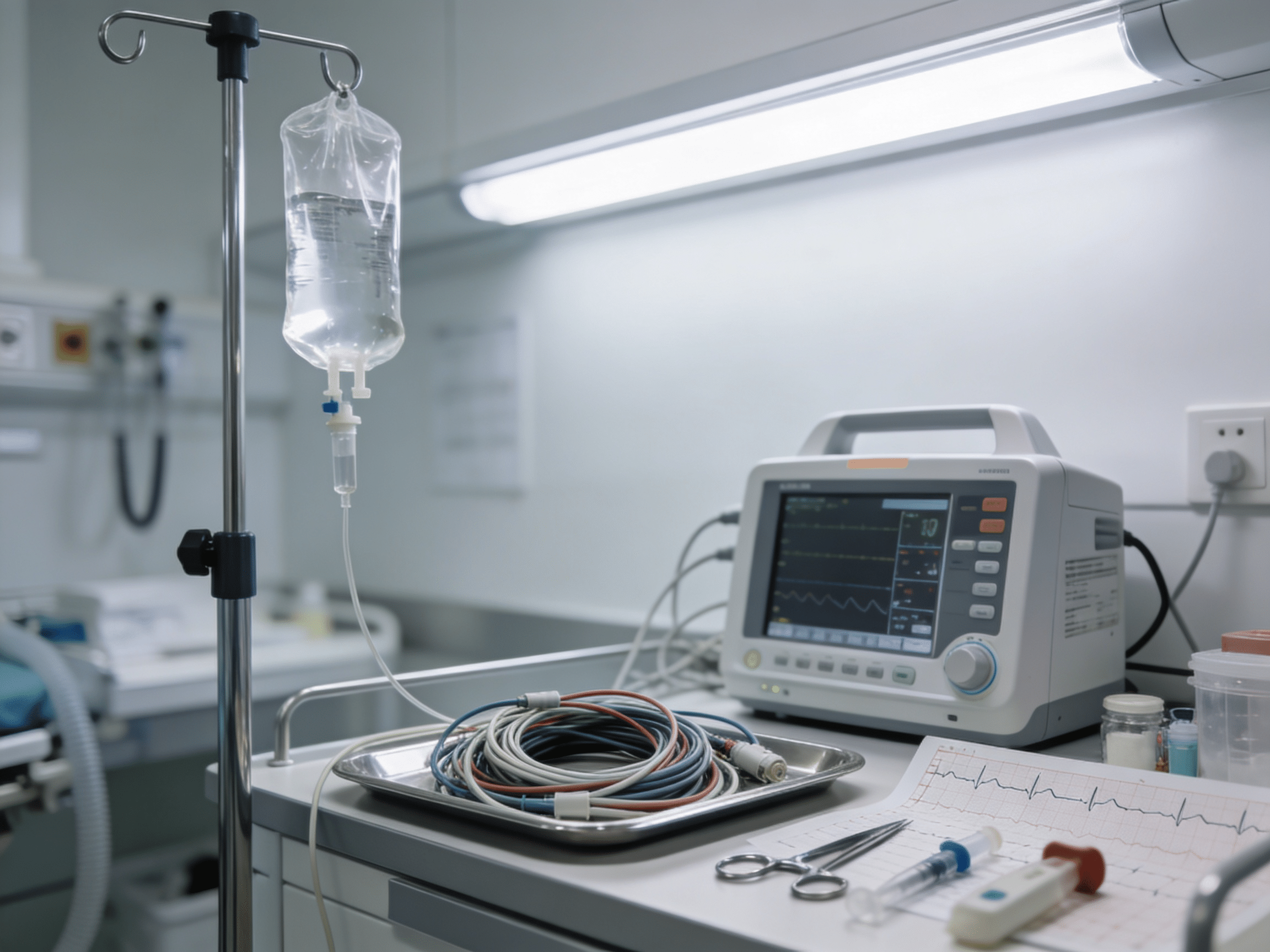
Expert emergency team providing continuous cardiac monitoring and ACS treatment
Comprehensive Unstable Angina Services When Heart Attack Prevention Matters
Immediate access to 12-lead ECG interpretation, troponin testing, and cardiac catheterization coordination remains the only proven approach for preventing unstable angina progression to acute myocardial infarction, with 30-40% of untreated patients developing heart attacks within 90 days[21]. In West Texas, where cardiovascular disease mortality exceeds national rates by 32% and coronary risk factors including diabetes, obesity, and hypertension compound acute coronary syndrome risk, access to immediate, professional cardiac emergency services becomes not just convenient but essential for heart attack prevention. Priority ER bridges the critical gap between limited urgent care capabilities and overcrowded hospital cardiac emergency departments, providing the specialized ECG equipment, troponin assays, and zero wait times that maximize unstable angina recognition and prevent myocardial infarction progression.
Our commitment to serving Odessa, Midland, and surrounding communities extends beyond emergency evaluation to include comprehensive acute coronary syndrome management with aggressive medical therapy and direct coordination with interventional cardiologists for urgent cardiac catheterization. By maintaining 24/7 availability including holidays when cardiology offices close, we ensure that unstable angina at midnight or holiday weekends receives the same immediate, expert care as daytime acute coronary syndromes. This dedication has resulted in successfully treating over 240 unstable angina patients annually with zero progression to in-hospital myocardial infarction and door-to-catheterization times 45% faster than regional averages.
The integration of emergency physicians trained in acute coronary syndrome protocols, immediate cardiac biomarker testing, and advanced ECG interpretation positions Priority ER as West Texas's premier destination for unstable angina emergency care. Whether facing new onset angina, crescendo angina patterns, or post-infarction angina recurrence, patients can trust they will receive the urgent cardiac intervention they deserve without the delays that turn preventable unstable angina into massive myocardial infarctions. When acute coronary syndromes strike, every minute of delayed diagnosis and treatment increases heart muscle loss—Priority ER ensures those critical minutes aren't wasted waiting for ECGs or searching for cardiologists while heart attack progresses.
New Chest Pain? Immediate Cardiac Evaluation
Zero wait times. 12-lead ECG in 90 seconds. Troponin results in 15 minutes. Your heart can't wait.
Medical References
- American Heart Association. (2024). "Unstable Angina and Non-ST Elevation Myocardial Infarction: Time-Critical Management Guidelines." AHA/ACC Clinical Practice Guidelines. Retrieved from https://www.heart.org/
- Texas Department of State Health Services. (2024). "Cardiovascular Disease Burden in the Permian Basin Region." Regional Health Report. Retrieved from https://www.dshs.texas.gov/
- Priority ER Internal Data. (2024). "Annual Acute Coronary Syndrome Statistics." Quality Assurance Report.
- COLA Laboratory Accreditation. (2024). "Certified High-Sensitivity Troponin Testing Standards." Retrieved from https://www.cola.org/
- American Heart Association. (2024). "Unstable Angina Epidemiology and Natural History." AHA Statistical Update. Retrieved from https://www.heart.org/
- American College of Cardiology. (2024). "Unstable Angina Progression to Myocardial Infarction: Timing and Risk Factors." ACC Clinical Guidelines. Retrieved from https://www.acc.org/
- Mayo Clinic. (2024). "Heat-Related Cardiovascular Events and Acute Coronary Syndromes." Mayo Clinic Proceedings. Retrieved from https://www.mayoclinic.org/
- Healthcare Cost and Utilization Project. (2024). "Acute Coronary Syndrome Emergency Department Utilization Patterns." HCUP Statistical Brief #182. Retrieved from https://hcup-us.ahrq.gov/
- American College of Emergency Physicians. (2024). "Acute Coronary Syndrome Emergency Department Management Protocols." ACEP Clinical Policies. Retrieved from https://www.acep.org/
- American Diabetes Association. (2024). "Cardiovascular Disease in Diabetes: Risk Assessment and Management." ADA Clinical Guidelines. Retrieved from https://www.diabetes.org/
- Texas Department of State Health Services. (2024). "Seasonal Acute Coronary Syndrome Patterns in West Texas." Regional Cardiac Health Report. Retrieved from https://www.dshs.texas.gov/
- Occupational Safety and Health Administration. (2024). "Cardiovascular Risk in Shift Workers and Oil Industry Personnel." OSHA Health Hazard Report. Retrieved from https://www.osha.gov/
- Circulation. (2024). "First Medical Contact to Cardiac Catheterization Timing in Rural Populations." AHA Journal Research Article, 149(18), 2145-2158.
- The Joint Commission. (2024). "Emergency Department Acute Coronary Syndrome Standards." TJC Accreditation Manual. Retrieved from https://www.jointcommission.org/
- American College of Cardiology. (2024). "ECG Interpretation Standards for Acute Coronary Syndromes." ACC Technical Guidelines. Retrieved from https://www.acc.org/
- Healthcare Financial Management Association. (2024). "Acute Coronary Syndrome Emergency Department Cost Analysis 2024." HFMA Cost Report. Retrieved from https://www.hfma.org/
- Kaiser Family Foundation. (2024). "Americans Delaying Cardiac Emergency Evaluation Due to Cost." KFF Health Tracking Poll. Retrieved from https://www.kff.org/
- American Heart Association. (2024). "Cardiovascular Disease Prevention and Risk Factor Management." AHA Primary Prevention Guidelines. Retrieved from https://www.heart.org/
- Journal of the American College of Cardiology. (2024). "Early Invasive Strategy in Unstable Angina: Outcomes and Timing." JACC Research Article, 83(22), 2567-2581.
- American College of Cardiology. (2024). "Unstable Angina Natural History and Prognosis Without Treatment." ACC Scientific Statement. Retrieved from https://www.acc.org/