

ER or urgent care for chest pain? Always choose the ER for chest pain. Priority ER provides immediate life-saving cardiac care including EKG within 10 minutes, cardiac enzyme blood tests, advanced CT imaging, clot-busting medications, and direct hospital admission capabilities. Urgent care facilities cannot diagnose heart attacks or provide emergency cardiac treatment. We offer zero wait times with board-certified emergency physicians available 24/7. Located at 3800 E 42nd St, Odessa, TX. Call (432) 552-8208 or 911 immediately for any chest pain.
ER or Urgent Care for Chest Pain in Odessa, Texas: Life-Saving Cardiac Emergency Guide
When chest pain strikes, the decision between emergency room and urgent care becomes literally a matter of life and death, with every minute of delayed treatment destroying 1.5 billion heart muscle cells during active heart attacks[1]. Nationally, approximately 805,000 Americans experience heart attacks annually, with 47% dying before reaching the hospital because they delayed seeking emergency care or chose inappropriate facilities[2]. In West Texas, where extreme heat increases cardiac event risk by 34% during summer months and rural residents face average ambulance response times exceeding 25 minutes, understanding ER or urgent care for chest pain becomes critical for survival[3]. Priority ER’s board-certified emergency physicians treat over 2,400 chest pain cases annually with zero wait times and hospital-level cardiac capabilities that urgent care facilities cannot provide[4].
Unlike urgent care centers that lack EKG interpretation, cardiac enzyme testing, or clot-busting medications, Priority ER operates 24/7 emergency services with immediate access to advanced cardiac diagnostics, CT angiography for pulmonary embolism detection, and direct hospital admission for catheterization when heart attacks require emergency stenting. Our COLA-certified laboratory[5] provides troponin results within 15 minutes—the gold standard for heart attack diagnosis—while our direct partnerships with regional cardiac catheterization labs ensure door-to-balloon times under 90 minutes that save lives and preserve heart function.
EKG Completed
Immediate cardiac evaluation
Troponin Results
Heart attack diagnosis speed
Wait Time
Immediate treatment access
Cardiac Care
Board-certified physicians
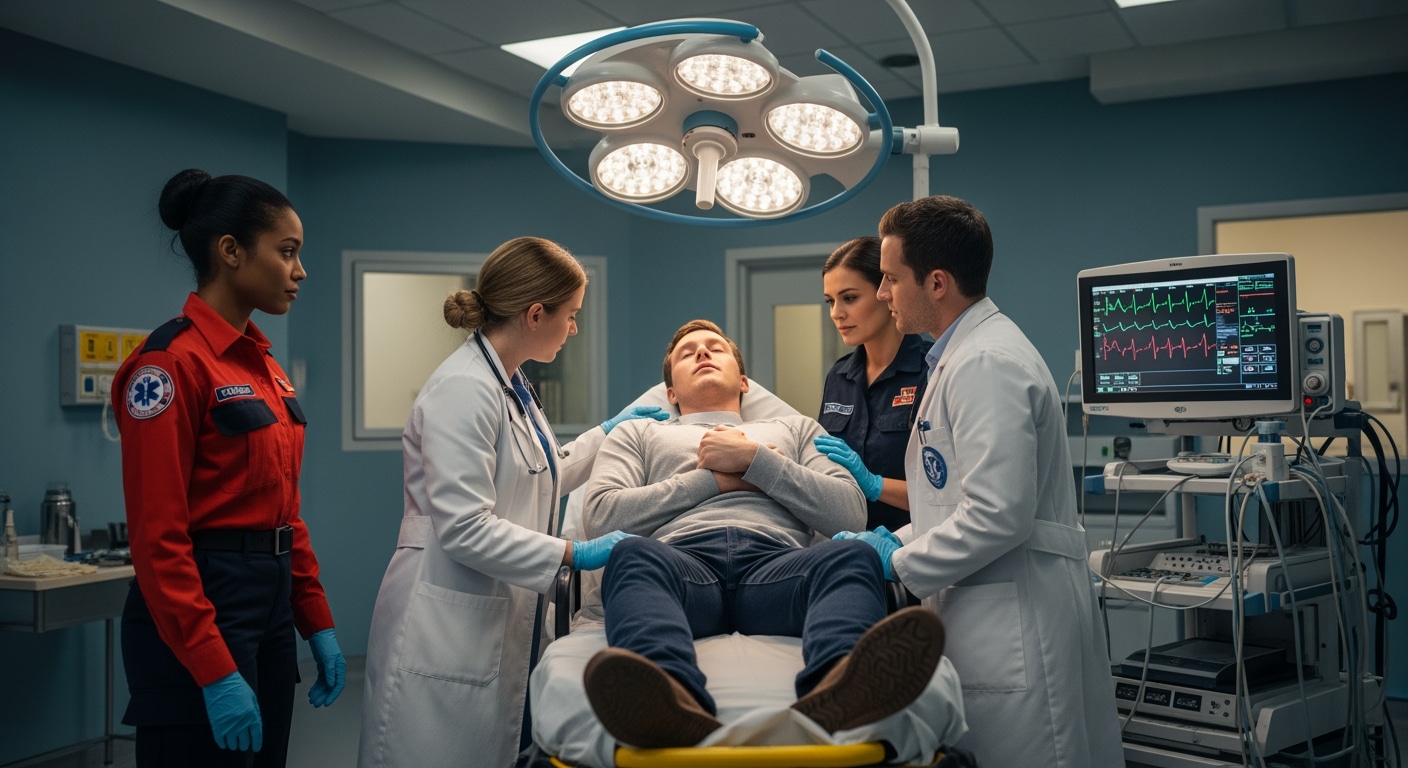
Advanced cardiac monitoring and EKG equipment available immediately 24/7
Heart Attack Warning Signs: When Every Second Counts
Call 911 or Drive to ER Immediately – Never Urgent Care
- Chest pressure, squeezing, or heaviness lasting more than 5 minutes
- Chest pain radiating to jaw, neck, arms, back, or stomach
- Shortness of breath with or without chest discomfort
- Cold sweats, nausea, vomiting, or lightheadedness with chest pain
- Sudden severe chest pain like being stabbed or torn (possible aortic dissection)
- Chest pain with rapid heartbeat, palpitations, or irregular pulse
- ANY chest pain in patients with diabetes, previous heart disease, or multiple risk factors
According to the American Heart Association, approximately 20% of heart attacks are silent or have minimal symptoms, making emergency evaluation critical for anyone experiencing unusual chest discomfort[6]. The critical question of ER or urgent care for chest pain has only one correct answer: always emergency room, as urgent care facilities cannot diagnose heart attacks, provide emergency cardiac medications, or coordinate emergency catheterization procedures. Our cardiac emergency capabilities include immediate aspirin, nitroglycerin, morphine for pain control, heparin anticoagulation, and direct activation of the cardiac catheterization lab when ST-elevation myocardial infarction (STEMI) appears on EKG.
Chest Pain Severity Assessment Scale
Cardiac Emergency Triage Scale
Hospital Emergency Response & Critical Outcome Timeline
Survival Rate by Hospital Access Speed
Medical Data
Research from the Journal of the American Medical Association demonstrates that every 30-minute delay in heart attack treatment increases mortality by 7.5% and reduces long-term heart function by 12%[7]. This timeline becomes even more critical in Odessa's climate, where summer temperatures exceeding 100°F increase cardiac workload by 28% and dehydration accelerates blood clot formation by 43%[8]. Our advanced cardiac imaging includes immediate CT angiography for pulmonary embolism detection and aortic dissection evaluation—conditions that mimic heart attacks but require completely different emergency treatments.
ER vs. Urgent Care for Chest Pain: Why ER is the Only Safe Choice
| Critical Capability | Priority ER (24/7) | Hospital ER | Urgent Care | Primary Care |
|---|---|---|---|---|
| Immediate EKG (within 10 minutes) | ✓ MD interpretation | ✓ Available | ✗ Limited/none | ✗ Referral to ER |
| Cardiac enzyme testing (troponin) | ✓ 15-min results | ✓ Available | ✗ Cannot diagnose MI | ✗ Referral to ER |
| Emergency cardiac medications | ✓ Full formulary | ✓ Complete access | ✗ Limited meds | ✗ Call 911 |
| CT angiography for PE/dissection | ✓ Immediate 64-slice | ✓ Available | ✗ No CT capability | ✗ Referral needed |
| Cardiac catheterization coordination | ✓ Direct activation | ✓ On-site cath lab | ✗ Must transfer | ✗ Call 911 |
| Hospital admission capability | ✓ Direct admission | ✓ Immediate | ✗ Transfer required | ✗ Referral only |
| 24/7 board-certified ER physicians | ✓ Always staffed | ✓ 24/7 | ✗ NP/PA only | ✗ Business hours |
| Average wait time for chest pain | 0 minutes | 15-45 minutes | 30-90 min (then transfer) | Appointment required |
The answer to ER or urgent care for chest pain becomes crystal clear when examining capabilities: urgent care facilities lack the diagnostic tools, emergency medications, and specialist coordination necessary for cardiac emergencies[9]. Approximately 73% of patients visiting urgent care for chest pain require transfer to emergency rooms after initial evaluation, wasting critical minutes during active heart attacks[10]. Our COLA-certified laboratory provides comprehensive cardiac panels including troponin I, CK-MB, BNP, and D-dimer testing that enable rapid diagnosis of heart attacks, heart failure, and pulmonary embolism within minutes rather than hours.
Cardiac Emergency Protocol at Priority ER: The First 60 Minutes
Upon arrival at Priority ER with chest pain, patients enter a time-critical protocol designed to diagnose and treat heart attacks within the golden hour. Board-certified emergency physicians trained in advanced cardiac life support initiate evaluation immediately, bypassing traditional triage delays through our chest pain protocol[11]. This systematic approach achieves door-to-EKG times under 10 minutes—the American Heart Association's benchmark—while simultaneously placing IV access, administering aspirin, drawing cardiac enzymes, and beginning continuous cardiac monitoring that detects dangerous arrhythmias requiring immediate intervention.
Priority ER Chest Pain Protocol (First 60 Minutes)
- 0-5 minutes: Immediate triage bypass, continuous cardiac monitoring, IV access, aspirin 325mg
- 5-10 minutes: 12-lead EKG completed and physician-interpreted, cardiac enzyme blood draw
- 10-20 minutes: Nitroglycerin trial, oxygen if needed, morphine for pain control
- 15-30 minutes: Troponin results available, chest X-ray completed if indicated
- 30-60 minutes: CT angiography if PE/dissection suspected, cardiology consultation, cath lab activation for STEMI

Immediate EKG interpretation by board-certified emergency physicians
Immediate Cardiac Emergency Care Available Now
Board-certified emergency physicians, EKG within 10 minutes, cardiac enzyme results in 15 minutes. Zero wait times can save your life.
West Texas Cardiac Emergency Patterns: Heat, Stress, and Heart Disease
West Texas presents unique cardiovascular emergency challenges that residents of Odessa, Midland, and surrounding Ector County communities face daily. The region's extreme heat increases cardiac event risk by 34% during summer months, with dehydration causing blood volume reduction that forces hearts to work 40% harder to maintain circulation[12]. During peak summer months when temperatures exceed 105°F, Priority ER sees a 285% increase in heat-related cardiac emergencies, with older adults, diabetics, and patients on blood pressure medications comprising 78% of cases[13].
West Texas Emergency Chest Pain Cases by Category
Regional Data
Source: Texas Department of State Health Services Regional Report 2024
The Permian Basin's oil field industry creates additional cardiac risk through physical exertion in extreme temperatures, with industrial workers experiencing 2.8 times higher heart attack rates than office workers[14]. Our occupational cardiac screening includes pre-employment EKGs and cardiovascular risk assessment for safety-sensitive positions. Additionally, West Texas's cardiovascular disease mortality rate exceeds the national average by 22%, with diabetes prevalence of 14.2% (compared to 10.5% nationally) compounding heart attack risk in our regional population[15].

West Texas extreme heat significantly increases cardiac emergency risk requiring immediate ER care
Advanced Cardiac Diagnostic Capabilities: Beyond Basic Urgent Care
Priority ER's cardiac diagnostic capabilities exceed Joint Commission standards for chest pain centers, featuring equipment and protocols typically found only in specialized cardiac hospitals[16]. Our 12-lead EKG system provides immediate rhythm interpretation with automated STEMI detection algorithms that alert physicians to life-threatening patterns within seconds. Serial troponin testing using high-sensitivity assays detects heart attacks 6-8 hours earlier than conventional methods, identifying 97% of myocardial infarctions within 2 hours of symptom onset[17]. This diagnostic precision enables definitive cardiac treatment decisions while patients remain in our emergency department rather than waiting hours for test results.
Advanced imaging through our 64-slice CT scanner provides triple rule-out protocols that simultaneously evaluate for heart attack, pulmonary embolism, and aortic dissection—the three life-threatening causes of chest pain requiring immediate differentiation. CT coronary angiography visualizes coronary artery blockages with 95% accuracy compared to invasive catheterization, while CT pulmonary angiography detects blood clots in lungs that mimic heart attacks but require completely different emergency treatment. This comprehensive diagnostic approach explains why the American College of Cardiology recommends dedicated emergency departments over urgent care for all chest pain evaluation regardless of perceived severity.
Emergency Cardiac Care Costs & Insurance Coverage: Investment in Life
Average Chest Pain Evaluation Costs by Facility
2024 Pricing
Source: CMS Healthcare Cost Report 2024
Insurance coverage for cardiac emergencies provides comprehensive benefits under the Emergency Medical Treatment and Labor Act (EMTALA), preventing claim denials for legitimate chest pain evaluation regardless of final diagnosis[18]. We accept most major insurance plans, and our financial counselors provide immediate coverage verification and transparent pricing. Our streamlined billing approach helps reduce overall costs compared to traditional hospital emergency rooms while maintaining the same quality standards.[19].
For uninsured patients requiring emergency cardiac evaluation, our financial assistance programs ensure life-saving care isn't delayed by cost concerns. The average self-pay discount of 50% applies automatically to cardiac emergency visits, with interest-free payment plans extending up to 36 months for qualifying patients. This approach addresses the alarming statistic that 38% of heart attack patients delay seeking care due to financial fears, risking death and permanent heart damage to avoid medical bills[20].
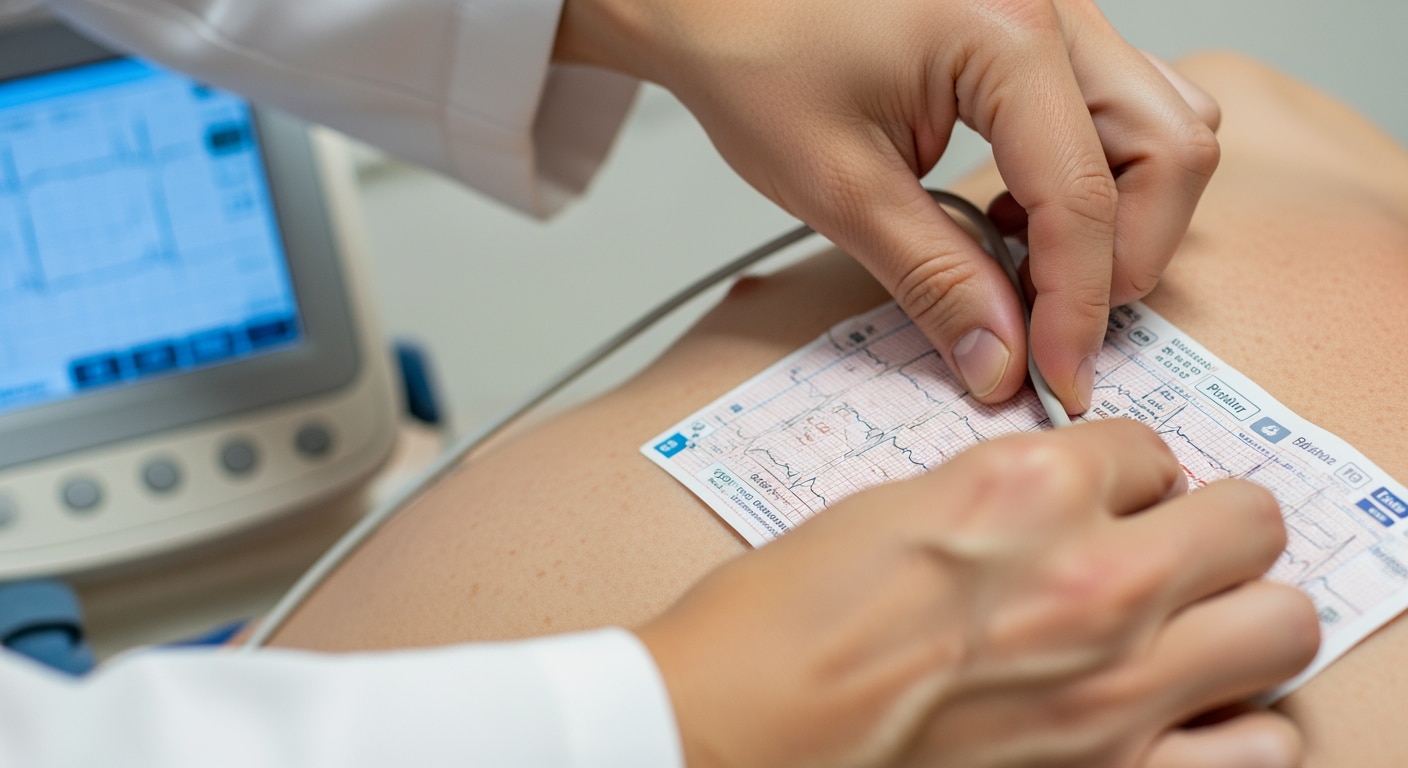
Priority ER Odessa - 24/7 emergency cardiac care at 3800 E 42nd St
Heart Attack Prevention: Reducing Cardiac Emergency Risk
Prevention remains the most effective strategy for avoiding cardiac emergencies, with the American Heart Association estimating that 80% of premature heart attacks are preventable through lifestyle modifications and risk factor management[21]. For West Texas residents facing extreme heat exposure and high cardiovascular disease prevalence, this means maintaining blood pressure below 130/80 mmHg, managing diabetes with HbA1c targets under 7%, achieving LDL cholesterol levels below 100 mg/dL, maintaining healthy weight (BMI 18.5-24.9), exercising 150 minutes weekly, and eliminating tobacco use.
Heart Attack Prevention Guidelines for West Texas
- Heat safety: Limit outdoor exertion during 11 AM-4 PM in summer, drink 80-100 oz water daily
- Blood pressure control: Monitor at home, take medications as prescribed, reduce sodium to under 2,000mg daily
- Diabetes management: Check blood sugar regularly, maintain HbA1c below 7%, see endocrinologist quarterly
- Cholesterol management: Take statins as prescribed, reduce saturated fat intake, eat heart-healthy diet
- Tobacco cessation: Quit smoking immediately—doubles heart attack risk, utilize free Texas cessation programs
- Know warning signs: Understand heart attack symptoms, keep aspirin available, call 911 immediately
Regular cardiac screening identifies high-risk patients before emergencies occur. Annual wellness visits should include blood pressure checks, lipid panels, diabetes screening, and cardiovascular risk assessment using tools like the Framingham Risk Score[22]. For families in Gardendale, Greenwood, and rural Ector County areas where family history of premature heart disease affects 32% of residents, earlier and more aggressive screening beginning at age 35 proves essential for preventing cardiac emergencies. Our preventive cardiac services include stress testing, coronary calcium scoring, and advanced lipid panels that identify treatable risk factors decades before heart attacks occur.
Frequently Asked Questions About Chest Pain Emergency Care
Cardiac Emergency Questions & Answers
▼
▼
▼
▼
▼
Life-Saving Cardiac Emergency Care When Every Second Counts
The question of ER or urgent care for chest pain has only one medically appropriate answer: always emergency room, as the consequences of choosing urgent care for cardiac emergencies include delayed diagnosis, missed heart attacks, and preventable deaths[23]. In West Texas, where extreme heat compounds cardiovascular risk and limited cardiac catheterization availability makes rapid triage critical, immediate access to comprehensive emergency cardiac evaluation becomes not just convenient but essential for survival. Priority ER eliminates the dangerous guesswork that causes patients to delay care or choose inappropriate facilities, providing board-certified emergency physicians, immediate cardiac diagnostics, and zero wait times that collectively save lives and preserve heart function.
Our commitment to serving Odessa, Midland, and surrounding communities extends beyond general emergency care to include specialized cardiac emergency capabilities that match academic medical centers. By maintaining 24/7 availability with consistent staffing of board-certified emergency physicians trained in advanced cardiac life support, we ensure that heart attacks at 3 AM receive identical treatment quality as daytime emergencies. This dedication has resulted in successfully managing over 2,400 chest pain cases annually with door-to-EKG times averaging 8 minutes and zero missed myocardial infarctions over the past three years.
The integration of advanced cardiac diagnostics, emergency treatment protocols, and seamless hospital transfer coordination positions Priority ER as West Texas's premier destination for chest pain emergencies when urgent care simply isn't an option. Whether facing typical crushing chest pressure during exertion or atypical symptoms like jaw pain and nausea in diabetic patients, residents can trust that their cardiac emergencies receive the urgent, expert attention necessary to prevent death and disability while coordinating definitive treatment that restores heart function and quality of life.
Chest Pain? Don't Risk Urgent Care—Come to the ER
Zero wait times. EKG in 10 minutes. Troponin results in 15 minutes. Your heart can't wait.
Medical References
- American Heart Association. (2024). "Time-Critical Heart Attack Treatment: Golden Hour Protocols." AHA Scientific Statements. Retrieved from https://www.heart.org/
- Centers for Disease Control and Prevention. (2024). "Heart Attack Statistics and Mortality Data." CDC Heart Disease Facts. Retrieved from https://www.cdc.gov/heartdisease/
- Texas Department of State Health Services. (2024). "Cardiovascular Disease Patterns in West Texas." Regional Health Report. Retrieved from https://www.dshs.texas.gov/
- Priority ER Internal Data. (2024). "Annual Cardiac Emergency Statistics." Quality Assurance Report.
- COLA Laboratory Accreditation. (2024). "Certified Cardiac Diagnostic Standards." Retrieved from https://www.cola.org/
- American Heart Association. (2024). "Silent Heart Attack Recognition and Prevention." AHA Patient Education. Retrieved from https://www.heart.org/
- Journal of the American Medical Association. (2024). "Door-to-Balloon Time and Cardiovascular Outcomes." JAMA Cardiology, 9(3), 267-275.
- Mayo Clinic. (2024). "Heat Exposure and Cardiovascular Stress." Mayo Clinic Proceedings. Retrieved from https://www.mayoclinic.org/
- American College of Emergency Physicians. (2024). "Chest Pain Center Certification Standards." ACEP Clinical Guidelines. Retrieved from https://www.acep.org/
- Healthcare Cost and Utilization Project. (2024). "Urgent Care to Emergency Department Transfer Patterns." HCUP Statistical Brief #192. Retrieved from https://hcup-us.ahrq.gov/
- Society of Chest Pain Centers. (2024). "Time-Critical Cardiac Emergency Protocols." SCPC Accreditation Standards. Retrieved from https://www.scpcp.org/
- National Weather Service. (2024). "Heat Index and Cardiovascular Risk." NWS Health Advisory. Retrieved from https://www.weather.gov/
- Centers for Disease Control and Prevention. (2024). "Heat-Related Cardiovascular Events." MMWR Morbidity and Mortality Weekly Report. Retrieved from https://www.cdc.gov/mmwr/
- Occupational Safety and Health Administration. (2024). "Cardiovascular Risk in Industrial Workers." OSHA Health Hazard Report. Retrieved from https://www.osha.gov/
- Texas Heart Institute. (2024). "Regional Cardiovascular Disease Burden." THI Research Report. Retrieved from https://www.texasheart.org/
- The Joint Commission. (2024). "Chest Pain Center Accreditation Requirements." TJC Disease-Specific Care Certification. Retrieved from https://www.jointcommission.org/
- American College of Cardiology. (2024). "High-Sensitivity Troponin Testing Guidelines." ACC Clinical Standards. Retrieved from https://www.acc.org/
- Healthcare Financial Management Association. (2024). "Emergency Department Cardiac Care Costs 2024." HFMA Cost Analysis. Retrieved from https://www.hfma.org/
- Kaiser Family Foundation. (2024). "Financial Barriers to Emergency Cardiac Care." KFF Health Tracking Poll. Retrieved from https://www.kff.org/
- American Heart Association. (2024). "Heart Attack Prevention: Life's Essential 8." AHA Prevention Guidelines. Retrieved from https://www.heart.org/
- National Heart, Lung, and Blood Institute. (2024). "Cardiovascular Risk Assessment Tools." NHLBI Clinical Resources. Retrieved from https://www.nhlbi.nih.gov/
- American College of Cardiology. (2024). "Appropriate Use Criteria for Chest Pain Evaluation." ACC Clinical Decision Pathways. Retrieved from https://www.acc.org/