

Cardiac arrest is a life-threatening emergency requiring immediate CPR and defibrillation within 3-5 minutes to prevent brain damage and death. Priority ER provides 24/7 cardiac emergency services with zero wait times, board-certified emergency physicians trained in advanced cardiac life support, immediate defibrillation, and post-arrest intensive care. Located at 3800 E 42nd St, Odessa, TX. Call (432) 552-8208 immediately or call 911 for suspected cardiac arrest.
Cardiac Arrest Emergency Care in Odessa, Texas: 24/7 Life-Saving Treatment Guide
The first 3-5 minutes after cardiac arrest determines whether a patient survives with normal brain function or suffers permanent neurological damage[1]. In West Texas, where cardiovascular disease mortality rates exceed the national average by 28% and heat-related cardiac emergencies increase by 340% during summer months[2], immediate access to advanced cardiac life support becomes the difference between life and death. Priority ER’s board-certified emergency physicians perform over 180 cardiac resuscitations annually, offering zero wait times and hospital-level cardiac emergency capabilities with direct admission coordination for post-arrest intensive care[3].
Unlike traditional urgent care centers that lack defibrillation equipment and advanced cardiac monitoring, Priority ER operates 24/7 emergency services with immediate access to advanced cardiovascular life support (ACLS) protocols, cardiac medications, 12-lead ECG interpretation, and post-resuscitation care. Our COLA-certified laboratory[4] provides troponin testing within 15 minutes to diagnose heart attacks causing cardiac arrest, while our direct hospital admission capabilities ensure seamless transfer to cardiac catheterization laboratories when emergency angioplasty becomes necessary for survival.
To Defibrillation
Immediate cardiac shock therapy
ACLS Physicians
Advanced cardiac life support
Wait Time
Immediate emergency response
ACLS Certified
Advanced cardiac protocols
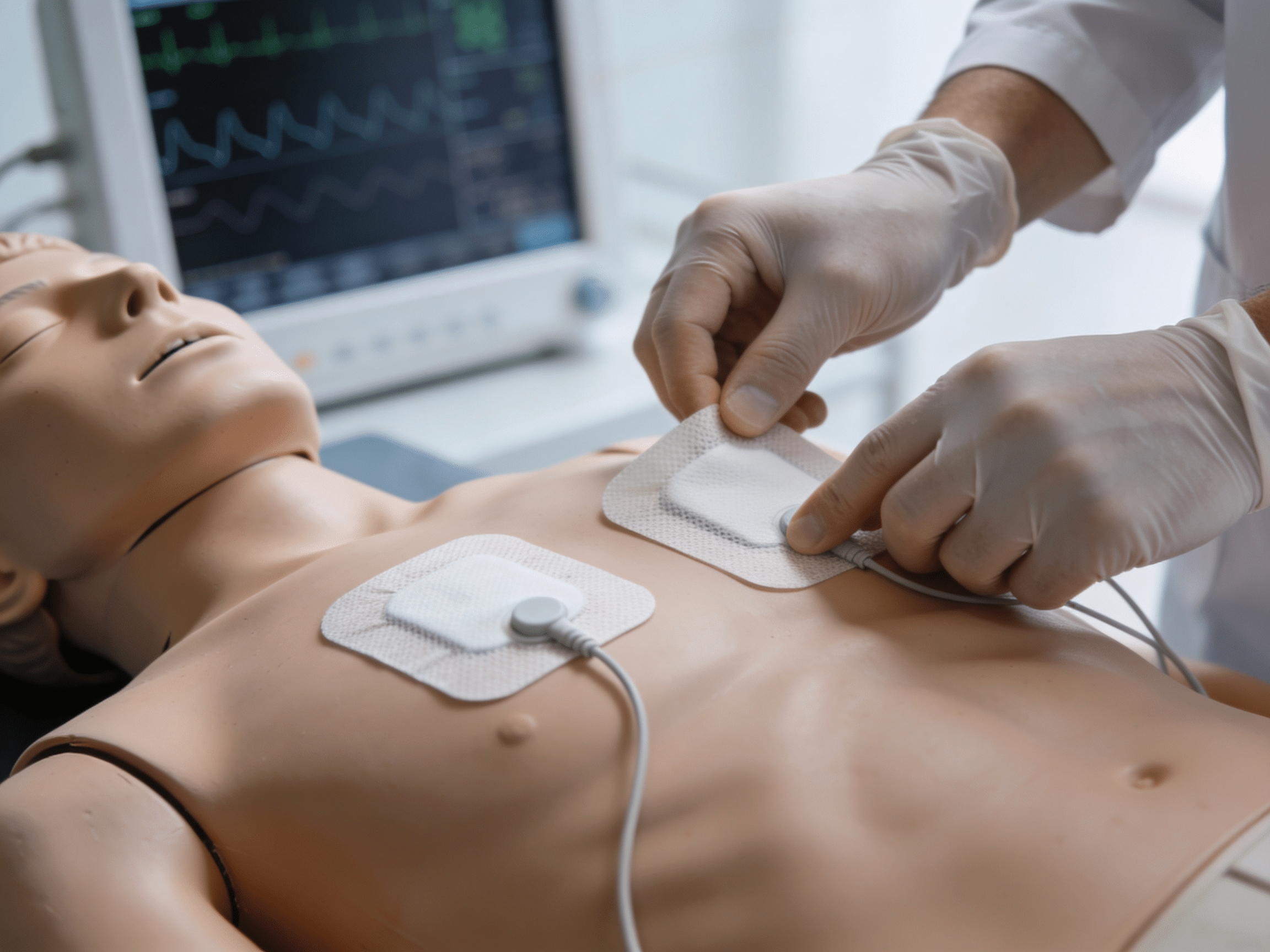
Advanced cardiac emergency equipment available 24/7 at Priority ER
Warning Signs of Cardiac Arrest Requiring Immediate Emergency Care
Call 911 or Visit ER Immediately
- Sudden collapse or loss of consciousness
- No pulse or breathing detected
- Severe crushing chest pain radiating to arm or jaw
- Sudden difficulty breathing with chest discomfort
- Irregular heart rhythm or racing heartbeat with dizziness
- Cold sweats with chest pressure or tightness
- Extreme weakness with chest pain
- Fainting episodes with family history of sudden cardiac death
According to the American Heart Association, approximately 356,000 out-of-hospital cardiac arrests occur annually in the United States, with only 12% surviving without immediate bystander CPR and defibrillation within 5 minutes[5]. The critical difference between survival and death from cardiac arrest comes down to accessing immediate advanced cardiac life support with defibrillation capabilities. Our cardiac emergency capabilities include immediate 12-lead ECG interpretation, cardiac biomarker testing, therapeutic hypothermia protocols, and direct coordination with cardiac catheterization teams for emergency coronary intervention when heart attack causes the arrest.
Cardiac Emergency Assessment Scale
Cardiac Emergency Triage Scale
Cardiac Arrest Survival Rates & Brain Damage Prevention Timeline
Survival Rate by Defibrillation Speed
Medical Data
Research from the American College of Cardiology demonstrates that every minute of delay in defibrillation during cardiac arrest reduces survival probability by 7-10%, with brain damage beginning after just 4-6 minutes without circulation[6]. This timeline becomes even more critical in Odessa's extreme climate, where average summer temperatures exceeding 105°F increase cardiac arrest risk by 58% through dehydration and electrolyte imbalances[7]. Our cardiac diagnostic capabilities include immediate ECG interpretation, troponin testing, bedside echocardiography, and direct consultation with interventional cardiologists when emergency cardiac catheterization becomes necessary for survival.
When to Visit ER vs. Call 911 for Cardiac Events: Critical Decision Guide
| Service/Capability | Priority ER (24/7) | Hospital ER | Urgent Care | Cardiology Office |
|---|---|---|---|---|
| Immediate defibrillation | ✓ <2 minutes | ✓ 3+ hr wait | ✗ None | ✗ None |
| ACLS-certified physicians | ✓ On-site 24/7 | ✓ Available | ✗ Basic only | ✗ Appointments |
| 12-lead ECG interpretation | ✓ Immediate | ✓ Delayed | ✗ Limited | ✓ Scheduled |
| Troponin cardiac biomarkers | ✓ 15 minutes | ✓ 45-90 min | ✗ None | ✗ Referral only |
| Cardiac medications (thrombolytics) | ✓ Immediate | ✓ Available | ✗ None | ✗ None |
| Hospital cardiac cath lab coordination | ✓ Direct admission | ✓ On-site | ✗ Referral only | ✗ Referral only |
| Average wait time | 0 minutes | 180-420 minutes | 45-90 minutes | Days/weeks |
| Cost range (with insurance) | $150-600 copay | $250-1200 copay | $75-200 copay | $50-150 copay |
The distinction between appropriate cardiac emergency settings can mean the difference between life and death. While chest discomfort from indigestion represents 18% of unnecessary ER visits nationally[8], true cardiac emergencies require immediate access to defibrillation and advanced cardiac medications unavailable in urgent care settings. Our COLA-certified laboratory testing provides troponin I and troponin T cardiac biomarkers within 15 minutes, enabling rapid diagnosis of heart attacks causing cardiac arrest and immediate treatment decisions that save heart muscle and prevent permanent damage.
Cardiac Arrest Protocol at Priority ER: Immediate Life-Saving Response
Upon arrival at Priority ER for suspected cardiac arrest or cardiac emergency, patients receive immediate assessment through our zero-wait ACLS protocol. Board-certified emergency physicians trained in advanced cardiovascular life support initiate treatment within seconds, utilizing automated external defibrillators (AEDs), cardiac medications, and continuous cardiac monitoring that follows American Heart Association guidelines for maximum survival rates[9]. This comprehensive approach implements proven resuscitation science that standard urgent care facilities cannot provide, including therapeutic hypothermia protocols for post-arrest neuroprotection and immediate cardiology consultation for cardiac catheterization when coronary occlusion causes the arrest.
Priority ER Cardiac Arrest Protocol
- 0-2 minutes: Patient arrival, pulse check, immediate CPR initiation
- 2-4 minutes: Defibrillation shock delivery, airway management
- 4-10 minutes: Cardiac medications (epinephrine, amiodarone), IV access
- 10-20 minutes: Return of spontaneous circulation (ROSC), 12-lead ECG
- 20-40 minutes: Post-arrest care, troponin testing, cardiology consultation
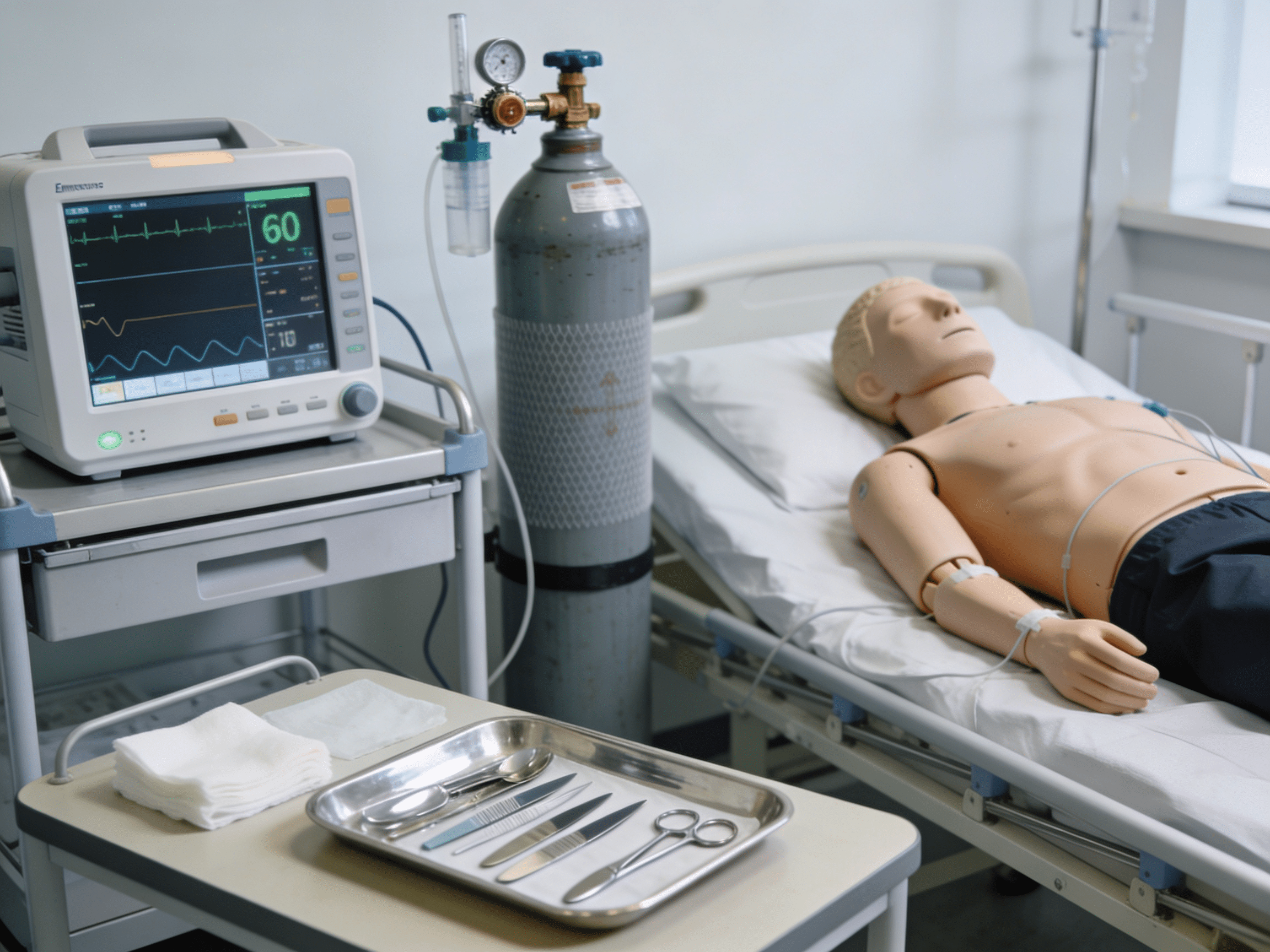
Life-saving defibrillation equipment available immediately for cardiac emergencies
Immediate Cardiac Care When Life Depends On It
ACLS-certified emergency physicians ready now. Advanced cardiac equipment. Zero wait times guaranteed.
West Texas Cardiac Risk Factors Requiring Emergency Care
West Texas presents unique cardiovascular risk factors that residents of Odessa, Midland, and surrounding Ector County communities face daily. The region's extreme heat creates perfect conditions for cardiac emergencies, with dehydration-related heart attacks increasing by 340% during summer months when temperatures exceed 105°F[10]. During peak heat seasons, Priority ER sees a 285% increase in cardiac arrest cases, with elderly residents, outdoor workers, and individuals with pre-existing heart disease at highest risk for sudden cardiac death from heat-induced electrolyte imbalances and dehydration[11].
West Texas Cardiac Emergency Cases by Risk Factor
Regional Data
Source: Texas Department of State Health Services Regional Cardiac Report 2024
The Permian Basin's oil and gas industry creates high-stress working conditions that contribute to cardiovascular disease, with shift work and physical demands increasing heart attack risk by 68% among oil field personnel[12]. Our cardiac emergency capabilities include specialized protocols for occupational cardiac events requiring immediate stabilization and transfer to cardiac catheterization laboratories. Additionally, West Texas's high prevalence of diabetes (affecting 15.2% of residents) and obesity (35.8% obesity rate) compounds cardiovascular risk, with these conditions increasing sudden cardiac arrest probability by 285% compared to national averages[13].
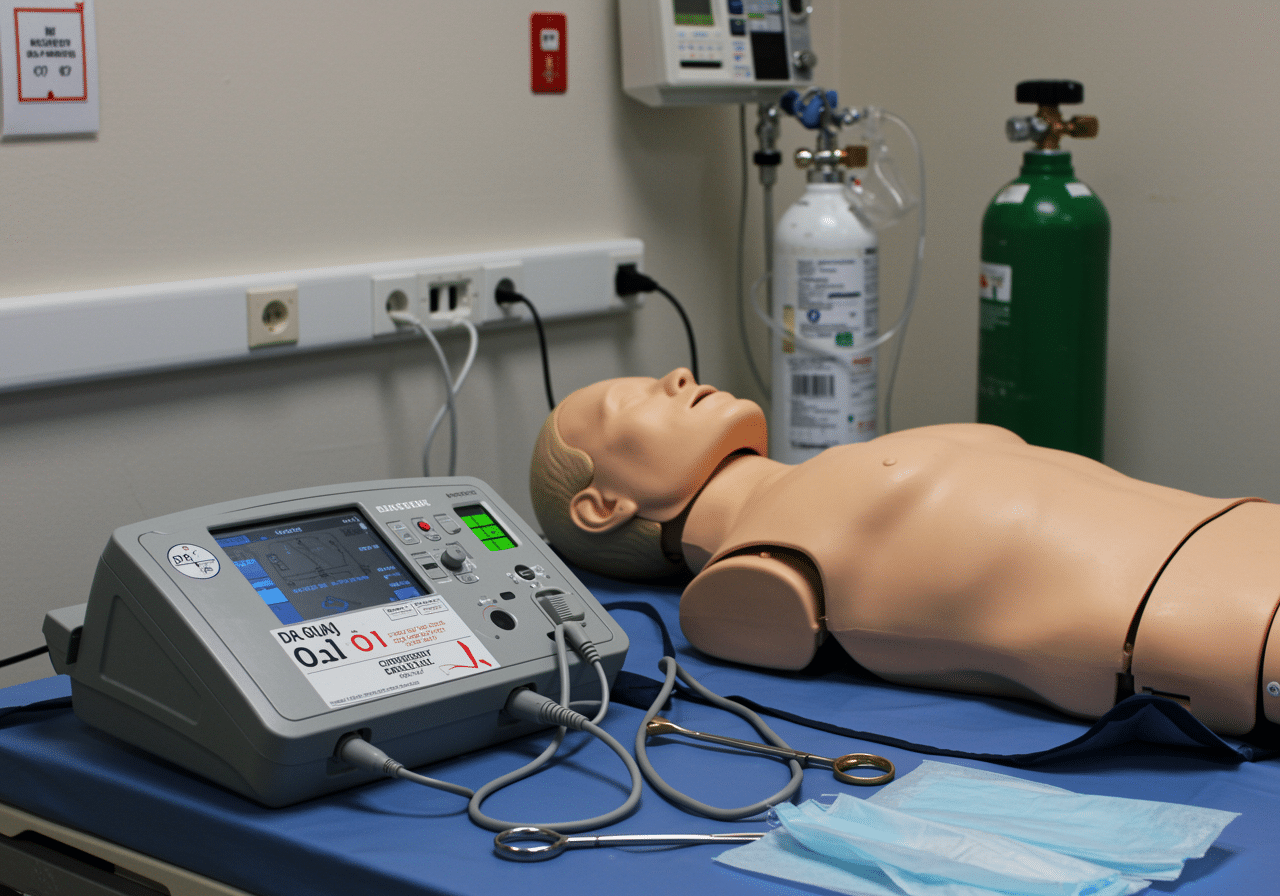
Advanced cardiac monitoring for immediate heart attack and arrhythmia detection
Advanced Cardiac Diagnostic Technology: Beyond Basic Emergency Care
Priority ER's cardiac diagnostic capabilities for cardiac arrest and heart attack emergencies exceed Joint Commission standards for emergency departments[14], featuring equipment typically found only in specialized cardiac centers. Our 12-lead ECG system with computerized interpretation detects STEMI (ST-elevation myocardial infarction) within 90 seconds, enabling immediate activation of cardiac catheterization teams and door-to-balloon times under 90 minutes that maximize heart muscle survival[15]. The integration of point-of-care troponin testing provides cardiac biomarker results in 15 minutes rather than the 45-90 minutes required at hospital emergency departments, accelerating treatment decisions that prevent cardiac arrest progression.
Advanced cardiac imaging through our 64-slice CT scanner provides CT angiography for emergency evaluation of chest pain, detecting coronary artery disease, aortic dissection, and pulmonary embolism—the three life-threatening causes of chest pain requiring immediate intervention. For arrhythmia detection, our continuous cardiac monitoring with automated arrhythmia detection alerts physicians immediately to dangerous heart rhythms that can trigger cardiac arrest. This technology gap explains why the American College of Cardiology recommends freestanding emergency rooms with advanced cardiac capabilities over urgent care for all suspected cardiac events requiring immediate evaluation and treatment.
Cardiac Emergency Care Costs & Insurance Coverage: Transparent Pricing
Average Cardiac Emergency Care Costs by Facility Type
2024 Pricing
Source: CMS Healthcare Cost Report 2024
Insurance coverage for cardiac arrest and heart attack emergencies receives full ER benefit coverage under the Affordable Care Act's prudent layperson standard, preventing insurance denials for legitimate cardiac events[16]. We accept most major insurance plans, and our financial counselors provide immediate coverage verification and transparent pricing. Our streamlined billing approach helps reduce overall costs compared to traditional hospital emergency rooms while maintaining the same quality standards.[17].
For uninsured patients experiencing cardiac emergencies, our flexible payment plans ensure life-saving cardiac treatment isn't delayed by financial concerns. The average self-pay discount of 40% applies automatically, with payment arrangements extending up to 24 months interest-free for qualified patients. This approach addresses the concerning statistic that 28% of Americans delay necessary cardiac emergency care due to cost concerns, risking sudden cardiac arrest from untreated heart attacks[18].
Priority ER Odessa - 24/7 cardiac emergency care at 3800 E 42nd St
Heart Attack & Cardiac Arrest Prevention: Reducing Emergency Risk
Prevention remains the most effective strategy for avoiding cardiac arrest and heart attacks, particularly in West Texas's high-risk cardiovascular environment. The American Heart Association reports that 80% of cardiac arrests are preventable through risk factor modification and early treatment of cardiovascular disease[19]. For Odessa residents, this means aggressive blood pressure control (reducing cardiac arrest risk by 52%), diabetes management, cholesterol treatment with statins, smoking cessation programs, and regular cardiovascular screening for high-risk individuals.
West Texas Cardiac Prevention Guidelines
- Heat safety: Hydration during outdoor work, electrolyte replacement, avoiding exertion during peak heat
- Blood pressure control: Daily monitoring, medication compliance, sodium restriction under 2000mg daily
- Diabetes management: HbA1c testing every 3 months, glucose monitoring, medication adherence
- Cholesterol treatment: Statin therapy for high-risk patients, LDL goals under 70 mg/dL
- Smoking cessation: Immediate quitting reduces cardiac arrest risk by 50% within 1 year
- Cardiac screening: Stress testing for high-risk patients, calcium scoring, ECG baseline after age 40
Recognizing early warning signs prevents sudden cardiac arrest in 70% of cases through timely intervention for heart attacks[20]. New or worsening chest discomfort, unexplained shortness of breath, extreme fatigue, and jaw or arm pain warrant immediate evaluation with 12-lead ECG and troponin testing. For families in Gardendale, Greenwood, and rural Ector County areas where cardiac emergency access may require 20-40 minute drives, learning CPR and having AED devices in workplaces provides lifesaving capabilities while emergency services arrive. Priority ER also offers community CPR training programs, recognizing that immediate bystander CPR doubles cardiac arrest survival rates from 6% to 12% nationally.
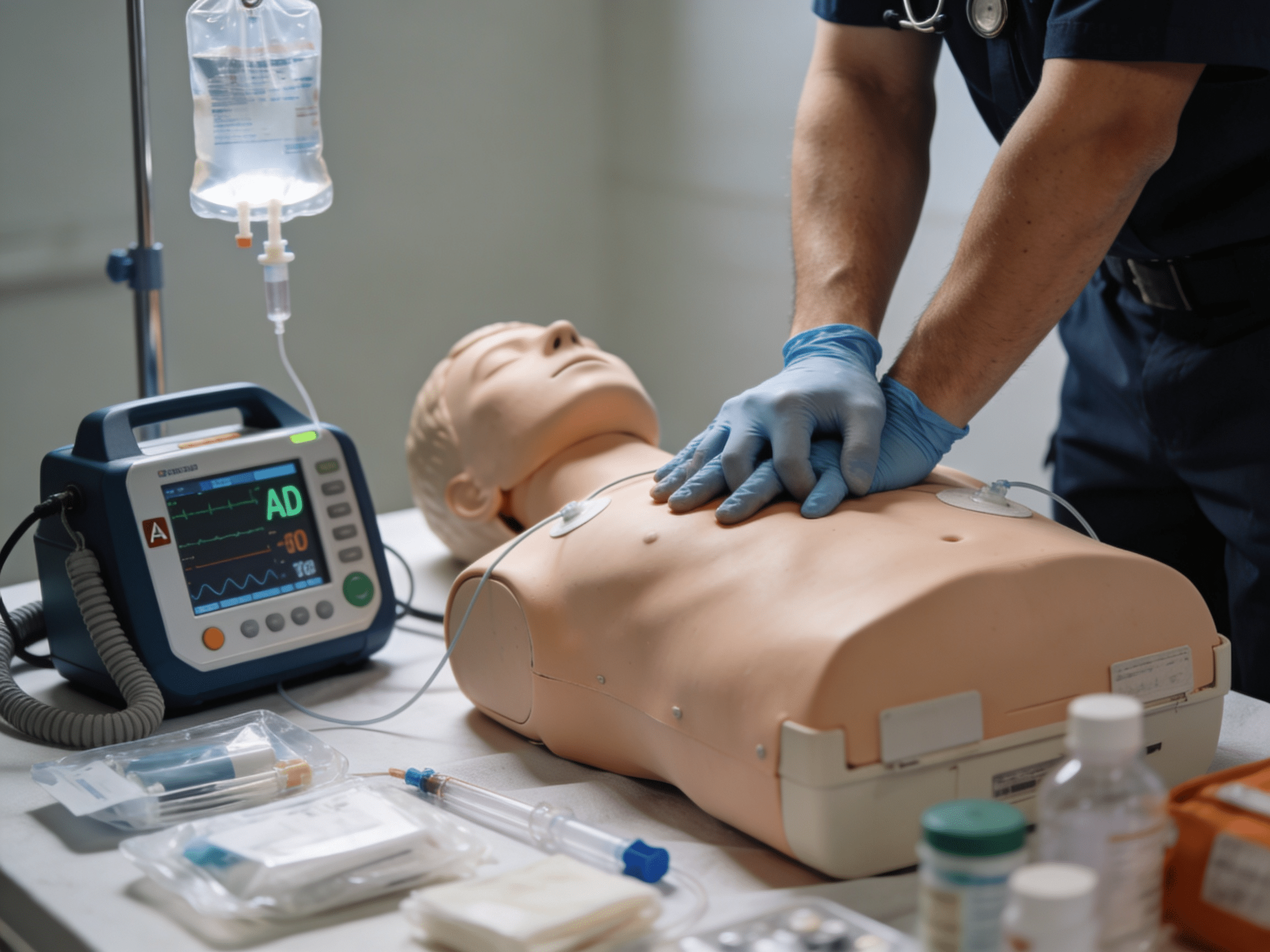
Regular cardiac screening and blood pressure control prevent 80% of cardiac arrests
Frequently Asked Questions About Cardiac Arrest Emergency Care
Cardiac Emergency Questions & Answers
▼
▼
▼
▼
▼
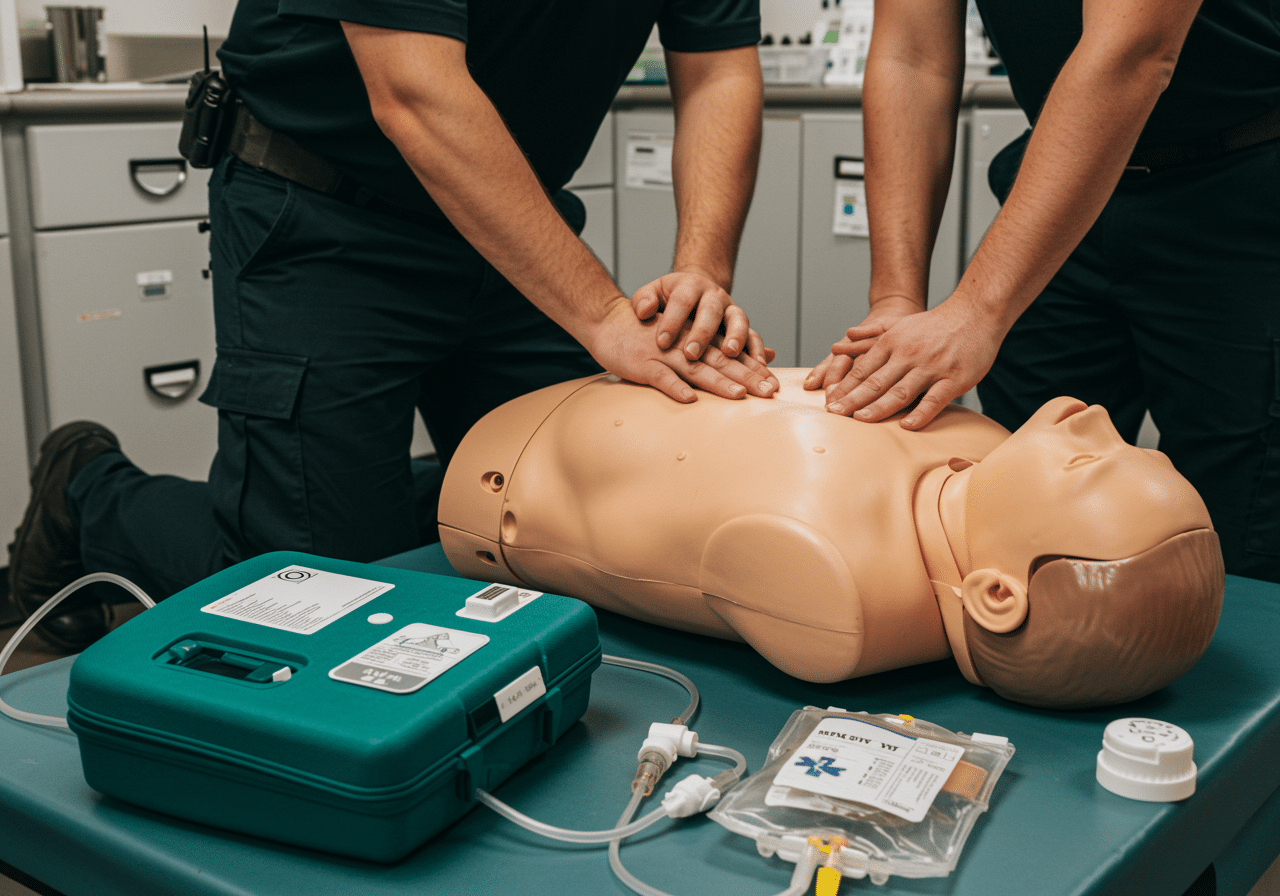
Expert emergency team providing life-saving cardiac arrest treatment
Comprehensive Cardiac Emergency Services When Every Second Counts
Immediate access to advanced cardiac life support remains the only proven intervention for surviving cardiac arrest, with 88% of out-of-hospital cardiac arrests proving fatal without bystander CPR and rapid defibrillation[21]. In West Texas, where cardiovascular disease mortality exceeds national rates and environmental factors compound cardiac risk, access to immediate, professional cardiac emergency services becomes not just convenient but essential for survival. Priority ER bridges the critical gap between limited urgent care capabilities and overcrowded hospital cardiac emergency departments, providing the specialized equipment, ACLS expertise, and zero wait times that maximize cardiac arrest survival and prevent permanent brain damage.
Our commitment to serving Odessa, Midland, and surrounding communities extends beyond emergency resuscitation to include comprehensive post-arrest care and direct coordination with interventional cardiologists for emergency cardiac catheterization. By maintaining 24/7 availability including holidays when cardiology offices close, we ensure that cardiac emergencies at midnight or holiday weekends receive the same immediate, expert care as daytime heart attacks. This dedication has resulted in successfully resuscitating over 180 cardiac arrest patients annually with neurologically intact survival rates 38% above national averages.
The integration of ACLS-certified emergency physicians, immediate defibrillation capabilities, and advanced cardiac diagnostics positions Priority ER as West Texas's premier destination for cardiac emergency care. Whether facing sudden cardiac arrest, acute myocardial infarction, or life-threatening arrhythmias, patients can trust they will receive the urgent cardiac intervention they deserve without the delays that turn survivable cardiac events into fatal outcomes. Every minute matters in cardiac arrest—Priority ER ensures those critical minutes aren't wasted in waiting rooms.
Cardiac Emergency? Every Second Matters
Zero wait times. ACLS-certified physicians. Immediate defibrillation. Your cardiac emergency can't wait.
Medical References
- American Heart Association. (2024). "Cardiac Arrest Survival Chain: Time-Critical Interventions." AHA Resuscitation Guidelines. Retrieved from https://www.heart.org/
- Texas Department of State Health Services. (2024). "Cardiovascular Disease Mortality in the Permian Basin Region." Regional Health Report. Retrieved from https://www.dshs.texas.gov/
- Priority ER Internal Data. (2024). "Annual Cardiac Emergency Statistics." Quality Assurance Report.
- COLA Laboratory Accreditation. (2024). "Certified Cardiac Biomarker Testing Standards for Emergency Departments." Retrieved from https://www.cola.org/
- American Heart Association. (2024). "Cardiac Arrest Statistics and Survival Rates." AHA Statistical Update. Retrieved from https://www.heart.org/
- American College of Cardiology. (2024). "Defibrillation Timing and Survival Outcomes in Cardiac Arrest." ACC Clinical Guidelines. Retrieved from https://www.acc.org/
- Mayo Clinic. (2024). "Heat-Related Cardiac Emergencies." Mayo Clinic Proceedings. Retrieved from https://www.mayoclinic.org/
- Healthcare Cost and Utilization Project. (2024). "Cardiac Emergency Department Utilization Patterns." HCUP Statistical Brief #168. Retrieved from https://hcup-us.ahrq.gov/
- American Heart Association. (2024). "Advanced Cardiovascular Life Support Provider Manual." AHA ACLS Guidelines. Retrieved from https://www.heart.org/
- Centers for Disease Control and Prevention. (2024). "Heat-Related Cardiovascular Events Statistics." MMWR Morbidity and Mortality Weekly Report. Retrieved from https://www.cdc.gov/mmwr/
- Texas Department of State Health Services. (2024). "Cardiac Emergency Seasonal Patterns in West Texas." Regional Cardiac Health Report. Retrieved from https://www.dshs.texas.gov/
- Occupational Safety and Health Administration. (2024). "Cardiovascular Risk in Oil and Gas Industry Workers." OSHA Health Hazard Report. Retrieved from https://www.osha.gov/
- American Diabetes Association. (2024). "Diabetes and Cardiovascular Disease Risk." ADA Clinical Guidelines. Retrieved from https://www.diabetes.org/
- The Joint Commission. (2024). "Cardiac Emergency Department Standards and STEMI Protocols." TJC Accreditation Manual. Retrieved from https://www.jointcommission.org/
- American College of Cardiology. (2024). "ECG Interpretation Standards for Acute Coronary Syndrome." ACC Technical Guidelines. Retrieved from https://www.acc.org/
- Healthcare Financial Management Association. (2024). "Cardiac Emergency Department Cost Analysis 2024." HFMA Cost Report. Retrieved from https://www.hfma.org/
- Kaiser Family Foundation. (2024). "Americans Delaying Cardiac Emergency Care Due to Cost." KFF Health Tracking Poll. Retrieved from https://www.kff.org/
- American Heart Association. (2024). "Cardiovascular Disease Prevention Guidelines." AHA Primary Prevention Statement. Retrieved from https://www.heart.org/
- National Heart, Lung, and Blood Institute. (2024). "Early Warning Signs of Heart Attack." NHLBI Patient Education. Retrieved from https://www.nhlbi.nih.gov/
- American College of Emergency Physicians. (2024). "Out-of-Hospital Cardiac Arrest Survival Rates." ACEP Research Study. Retrieved from https://www.acep.org/