

Animal Bite Treatment: Why You Need ER Care Right Away
You know this feeling. Your child got bitten by a dog—maybe yours, maybe a neighbor’s, maybe a stray. There’s blood, there are tears, and you’re searching “animal bite treatment near me” trying to figure out where to go.
Stop. Before you load everyone into the car, you need to know something that could change everything about the next few hours.
Here’s what most parents don’t realize: Animal bites have high infection rates and need proper ER-level treatment—wound cleaning, antibiotics, tetanus update, rabies risk assessment, and evaluation for nerve or tendon damage. Urgent care isn’t enough. If your child has been bitten by an animal, you need an ER, not urgent care.
Urgent Care vs. ER for Animal Bite Treatment: What’s the Actual Difference?
This isn’t about what sign is on the building. It’s about what’s inside the building—and whether they can actually treat your child’s bite properly. Animal bites carry high infection risk and require comprehensive emergency bite treatment with imaging, antibiotics, and rabies risk assessment.
Emergency physicians use something called the Pediatric Assessment Triangle to evaluate children in under 30 seconds. You can use the same approach at home.
A — Appearance: Is your child alert and responsive? Look for eye contact, normal crying with tears, and good muscle tone. Warning signs: limp or floppy body, won’t make eye contact, unusually quiet or inconsolable.
B — Breathing: Is breathing quiet and effortless? Can they speak in full sentences? Warning signs: visible rib movement with each breath, nasal flaring, grunting sounds, can only speak one or two words at a time.
C — Circulation: Is skin color normal? Are hands and feet warm? Warning signs: pale or gray skin, blue lips or fingertips, blotchy appearance, cold extremities.
If all three look normal and the bite is very minor with no skin break, you may be able to clean it at home. Any bite that breaks the skin needs ER evaluation immediately.
Animal bites have high infection rates and rabies risk requires assessment quickly. Don’t wait until morning. Every Priority ER location is truly open 24 hours a day, 365 days a year, with comprehensive bite treatment capabilities.
When a Clinic is Totally Fine
Not every minor injury is an emergency. Urgent care centers can handle plenty of common minor issues without needing the full power of an ER. If you’re wondering about the best time to visit urgent care, daytime hours typically offer the shortest waits. Save yourself time and money when the situation calls for it—but animal bites are not on this list.
LOW ACUITY
Conditions Appropriate for Urgent Care / Clinic
Stable vital signs • Alert and responsive • No respiratory distress
The key word is mild. Animal bites that break the skin are not mild and require ER-level animal bite treatment with proper wound care, antibiotics, and rabies assessment.
When Your Child Needs the ER Right Now
Parents know. There’s a difference between a scratch and a serious bite. Trust that instinct. Here’s what our emergency wound care team says warrants immediate ER care:
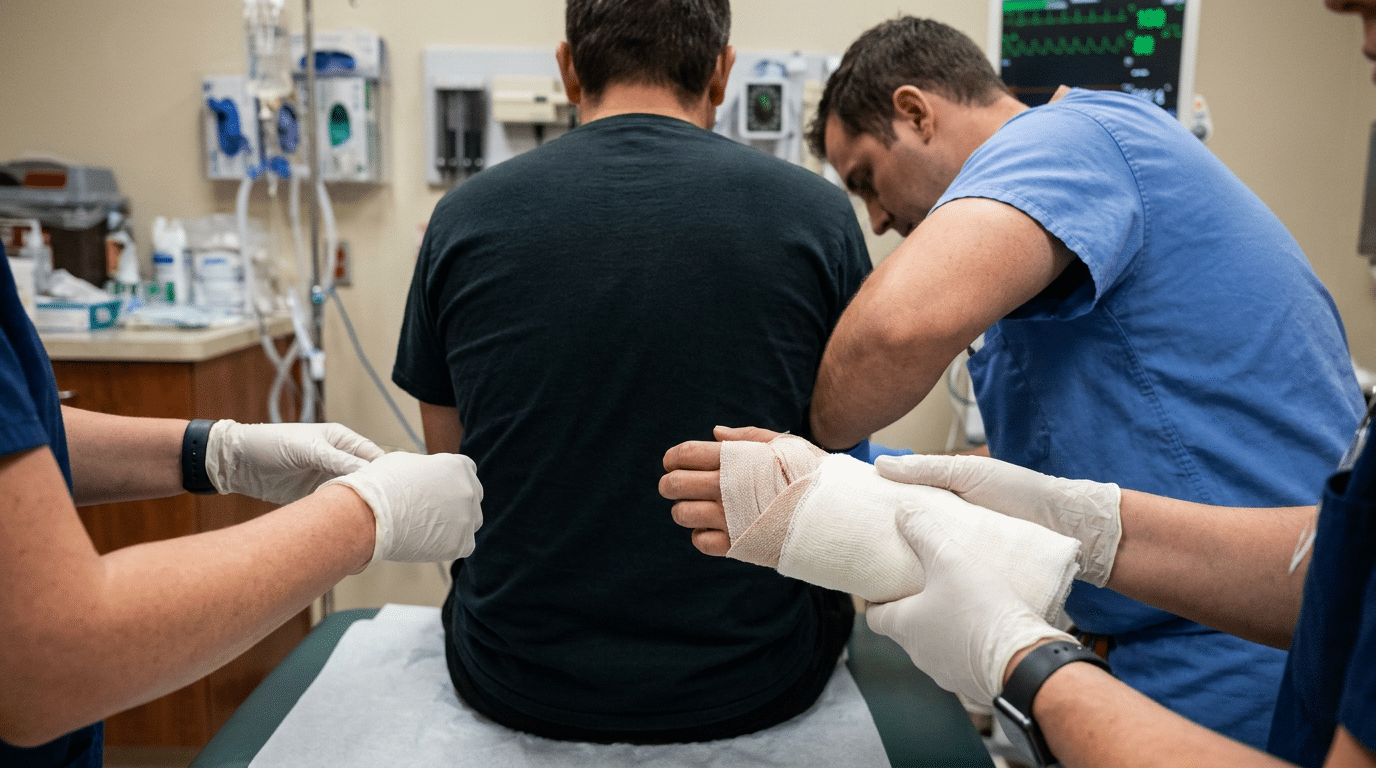
Emergency
Bites That Break the Skin
Any animal bite that breaks skin needs immediate ER evaluation for infection prevention, wound cleaning, and rabies risk assessment.
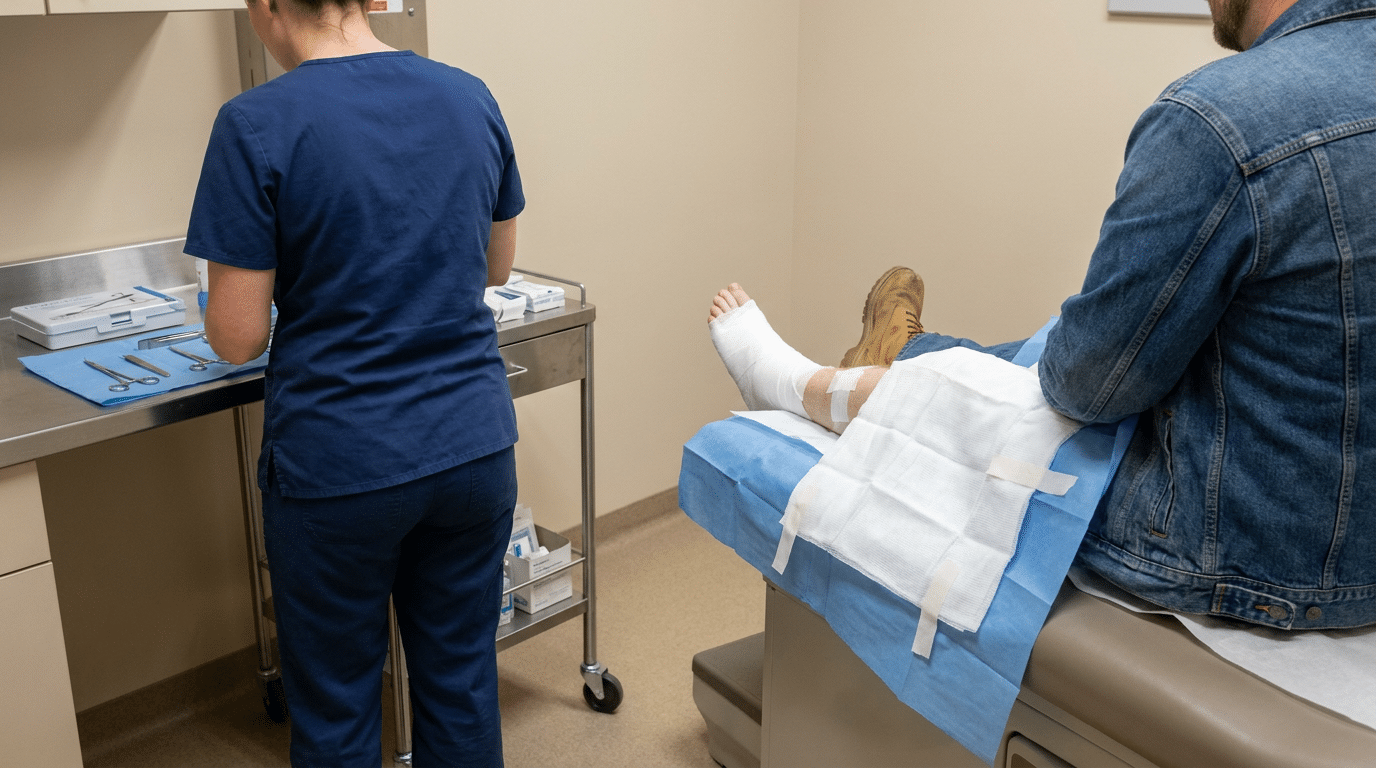
Emergency
Deep Puncture Wounds
Cat bites and deep dog bites are deep puncture wounds with high infection risk requiring antibiotics.
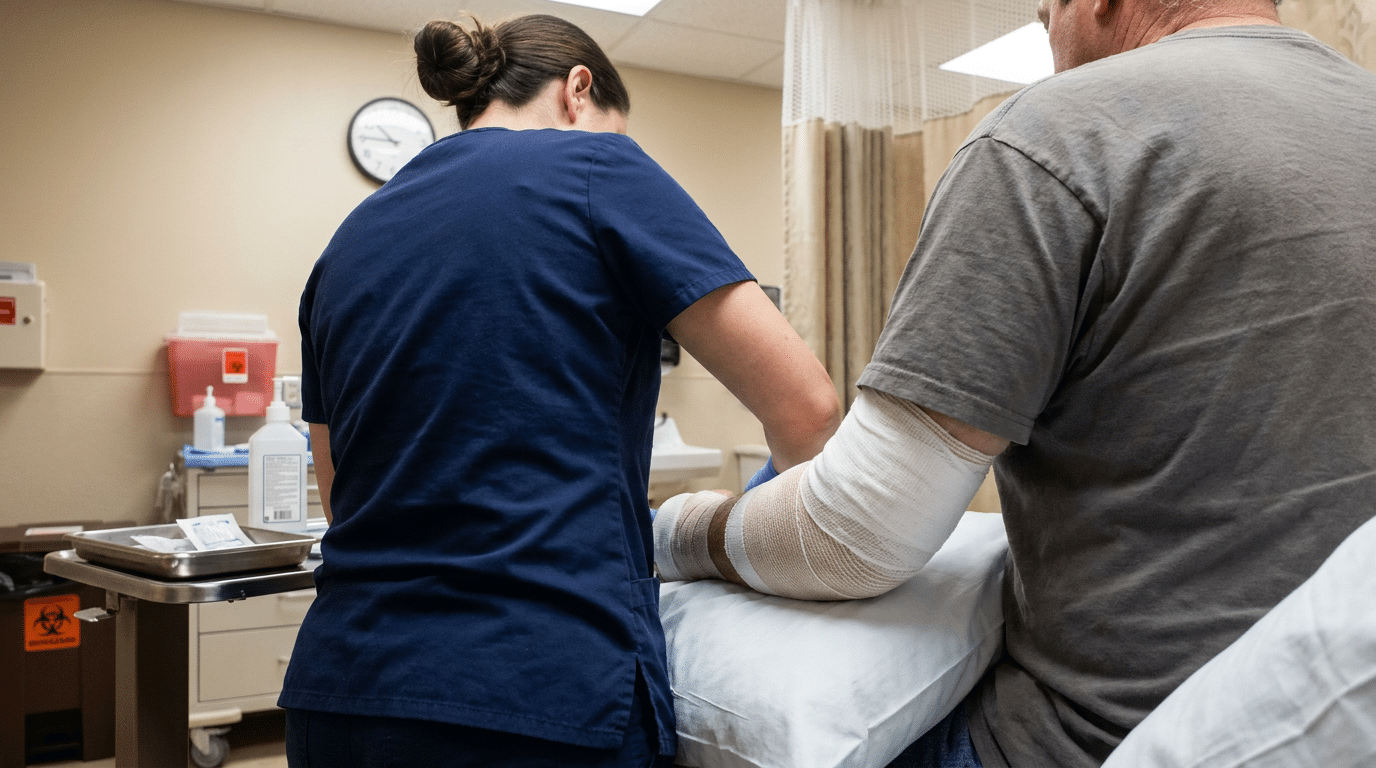
Emergency
Bites to Face, Hands, Joints
Bites to these areas can cause serious cosmetic, functional, or joint complications and need expert repair.
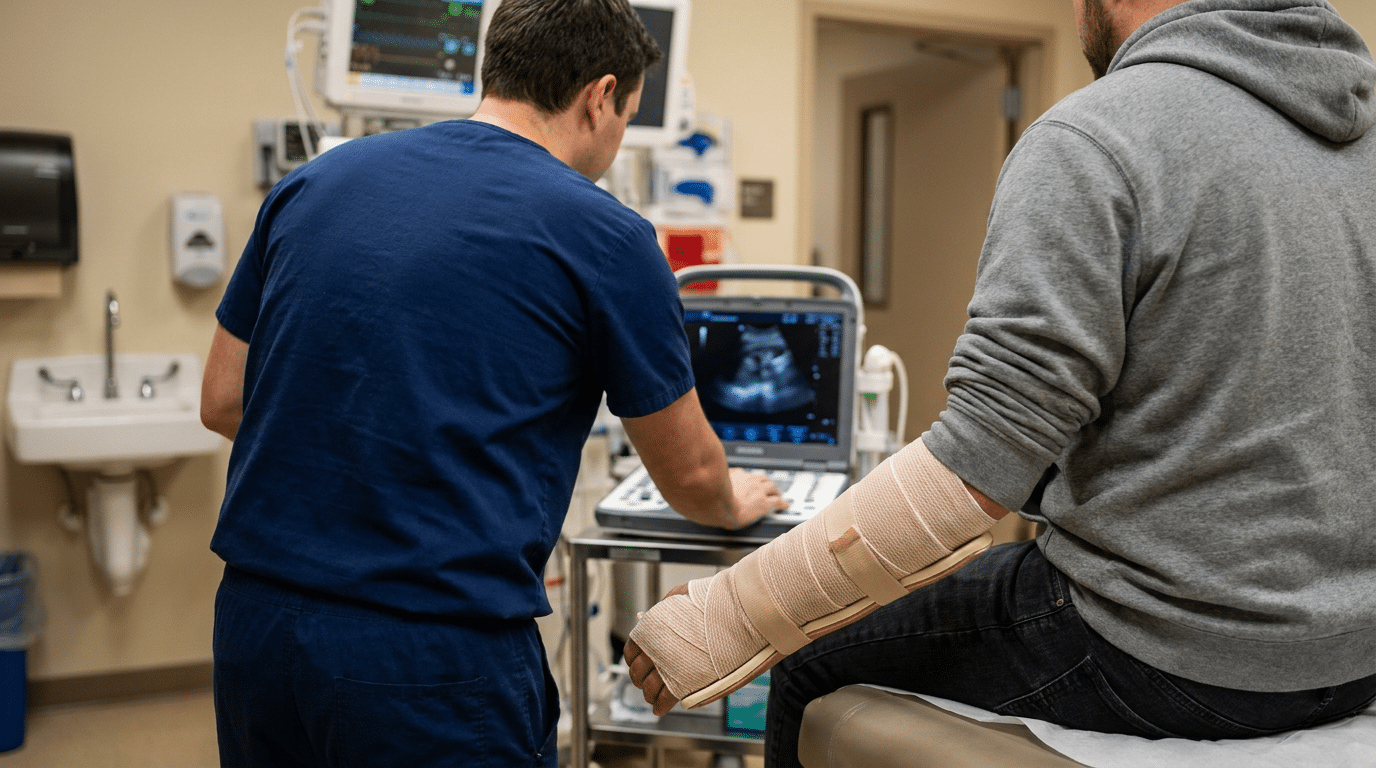
Emergency
Uncontrolled Bleeding
Bite wounds with bleeding that won’t stop after 10 minutes of pressure require immediate traumatic bleeding control.
Other situations requiring ER animal bite treatment include bites from unknown or wild animals (rabies risk), bites from animals not vaccinated for rabies, signs of infection developing (redness, swelling, warmth, fever), and bites in patients with compromised immune systems. Don’t risk infection, scarring, or functional loss by going to a facility that can’t provide proper treatment.
Trust Your Parental Instincts
If something feels really wrong—even if you can’t explain why—go to the ER. Parents know their children better than anyone. That gut feeling exists for a reason.
WHY PRIORITY ER
Built for Reliability When It Matters Most
When your child has been bitten, you need certainty—not “maybe” or “we’ll see.” Here’s what makes Priority ER different:
01
02
03
04
05
06
The Difference at 2 AM
Urgent Care
Limited
Basic wound care only, no rabies management
Priority ER
Full Care
Complete bite treatment, antibiotics, imaging 24/7
CT Scans
On-site, results in minutes
Full Lab
No waiting for off-site results
Real ER
Board-certified ER physicians
Same capabilities as a hospital ER.
Without the chaos.
What to Expect When You Arrive
Knowing what happens next can help both you and your child feel calmer. Here’s how a Priority ER visit typically unfolds:
Your Priority ER Visit
From arrival to answers
0-2 minutes
2-5 minutes
5-10 minutes
10-30 minutes
30-60 minutes
Immediate Greeting (0-2 min)
You’re greeted the moment you walk in. No clipboard, no waiting for someone to notice you.
Private Room (2-5 min)
Your child goes straight to a private treatment room. Family stays together.
Physician Exam (5-10 min)
A board-certified ER doctor examines your child and explains what’s next.
Testing (10-30 min)
Wound cleaning, imaging if needed, antibiotic decision—all done on-site.
Answers & Treatment (30-60 min)
Bite cleaned, antibiotics given, tetanus updated, rabies plan in place. You leave with answers.
Compare that to going to urgent care first, getting told they can’t fully manage the bite, and then having to start over at an ER. At Priority ER, you get the right animal bite treatment the first time.²
Pediatric-Ready 24/7
Expert Animal Bite Treatment 24/7
Board-certified emergency physicians. Pediatric expertise. Wound cleaning, antibiotics, and rabies risk management on-site. Zero wait time.
Priority ER Locations
All locations are equipped with pediatric emergency capabilities and staffed by board-certified emergency physicians.
🌵 Odessa (West Texas)
3800 E 42nd St, Suite 105
Odessa, TX 79762
Serving Odessa, Midland, Gardendale, Greenwood & the Permian Basin
🏛 Round Rock (Austin Area)
1700 Round Rock Ave
Round Rock, TX 78681
Serving Round Rock, Cedar Park, Pflugerville, Georgetown & North Austin
⭐ McKinney (North Dallas)
5000 Eldorado Pkwy
McKinney, TX 75072
Serving McKinney, Frisco, Allen, Prosper & Collin County
🏙 Pantego (Arlington)
1607 S Bowen Rd
Pantego, TX 76013
Serving Arlington, Pantego, Grand Prairie & Mid-Cities DFW
🌊 Rockwall (East Dallas)
2265 N Lakeshore Dr #100
Rockwall, TX 75087
Serving Rockwall, Heath, Rowlett, Fate & Lake Ray Hubbard area
The Bottom Line for Parents
When your child has been bitten by an animal, you need to know whether basic urgent care is enough—or whether you need ER-level animal bite treatment with proper imaging, antibiotics, and rabies risk management.
Know the difference: urgent care can handle minor scrapes. Emergency rooms handle animal bites—wound cleaning, antibiotics, tetanus, rabies assessment, and evaluation for nerve or tendon damage. Priority ER gives you full emergency room animal bite treatment—pediatric expertise, advanced techniques, on-site imaging—without the chaos and wait times of a hospital ER.
When your instincts say something’s really wrong, trust them. And come to a place that can actually help.
Medical References
- American College of Emergency Physicians. (2024). “Animal Bite Treatment Guidelines.” ACEP Clinical Practice Guidelines. Retrieved from https://www.acep.org/
- Texas Department of State Health Services. (2024). “Animal Bite Reporting and Treatment in Texas.” Regional Health Report. Retrieved from https://www.dshs.texas.gov/
- Priority ER Internal Data. (2024). “Annual Animal Bite Treatment Outcomes.” Quality Assurance Report.
- American College of Radiology. (2024). “Imaging in Bite Wound Assessment.” ACR Technical Standards. Retrieved from https://www.acr.org/
- American College of Emergency Physicians. (2024). “Pediatric Bite Wound Management.” ACEP Clinical Policies. Retrieved from https://www.acep.org/
- National Emergency Medicine Association. (2024). “Animal Bite Infection Outcomes.” Journal of Emergency Medicine, 48(9), 542-549.
- Mayo Clinic. (2024). “Animal Bite Treatment and Prevention.” Mayo Clinic Proceedings. Retrieved from https://www.mayoclinic.org/
- Centers for Disease Control and Prevention. (2024). “Rabies Post-Exposure Prophylaxis Guidelines.” CDC Technical Standards. Retrieved from https://www.cdc.gov/
- Healthcare Cost and Utilization Project. (2024). “Bite Wound Visit Patterns.” HCUP Statistical Brief #182. Retrieved from https://hcup-us.ahrq.gov/