
When should you go to urgent care for a fever? Visit Priority ER immediately if fever exceeds 103°F in adults, 102°F in children, lasts more than 3 days, occurs with severe symptoms (difficulty breathing, chest pain, confusion, stiff neck), or affects infants under 3 months with any fever. We provide zero wait times, board-certified emergency physicians available 24/7, comprehensive infection workup, and immediate treatment. Located at 3800 E 42nd St, Odessa, TX. Call (432) 552-8208 immediately for high fever or concerning symptoms.
When Should You Go to Urgent Care for a Fever in Odessa, Texas: Complete 24/7 Fever Emergency Guide
Bacterial meningitis—a life-threatening infection causing brain damage or death within 24 hours—often begins with fever and symptoms that 85% of patients initially dismiss as “just the flu”[1]. In West Texas, where extreme heat contributes to dehydration-related fevers and limited after-hours medical access leaves families uncertain about seeking care, understanding when should you go to urgent care for a fever becomes critical for preventing serious complications[2]. Priority ER’s board-certified emergency physicians evaluate over 3,200 fever cases annually, offering zero wait times and hospital-level diagnostic capabilities that standard urgent care facilities cannot provide after hours[3].
Unlike urgent care centers that close at 8 PM or lack comprehensive laboratory testing capabilities, Priority ER operates 24/7 emergency services with immediate access to complete blood counts, blood cultures, urinalysis, chest x-rays, and CT scanning when needed. Our COLA-certified laboratory[4] delivers results in 15-30 minutes while board-certified emergency physicians determine whether fever represents benign viral illness versus serious bacterial infection requiring immediate intervention with IV antibiotics and hospital admission.
To Fever Evaluation
Immediate physician assessment
Fever Treatment
Including holidays & weekends
Wait Time
Immediate medical care
Lab Results
Complete infection workup
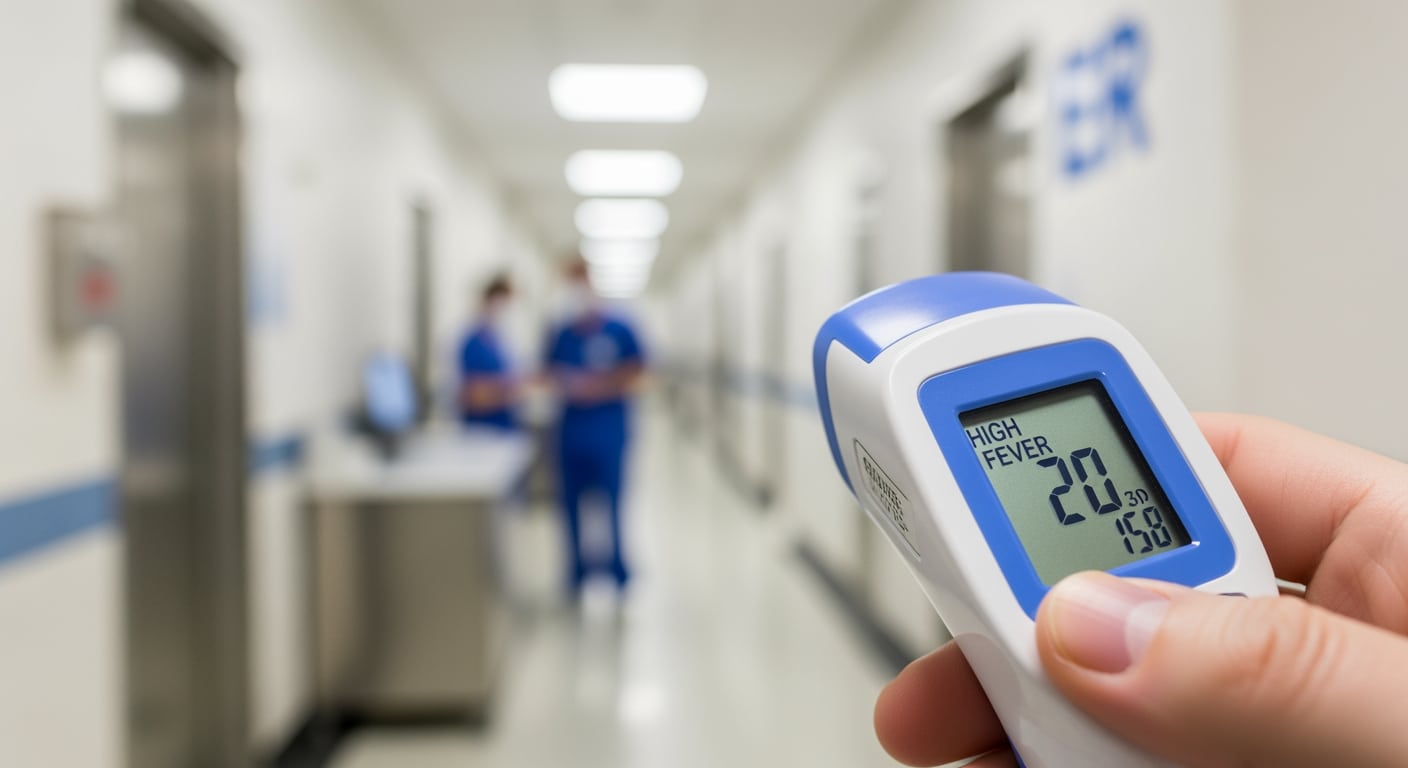
Priority ER entrance lit and staffed 24 hours a day, 365 days a year
Fever Emergency Warning Signs Requiring Immediate Evaluation
Call 911 or Visit ER Immediately
- Fever 103°F+ in adults or 102°F+ in children under 12
- Any fever in infants under 3 months old (100.4°F or higher)
- Fever with severe headache and stiff neck (meningitis symptoms)
- Fever with difficulty breathing or chest pain
- Fever with altered mental status, confusion, or extreme irritability
- Fever lasting more than 3 days without improvement
- Fever with rash that doesn’t fade when pressed (petechiae)
- Fever in immunocompromised patients or those with chronic illness
According to the Centers for Disease Control, approximately 40-50 million Americans develop fever annually, with 2-4% representing serious bacterial infections requiring urgent antibiotic therapy to prevent sepsis, organ damage, or death[5]. The critical question when should you go to urgent care for a fever depends on multiple factors including fever height, duration, associated symptoms, age, and underlying health conditions. Our emergency diagnostic imaging capabilities include chest x-rays for pneumonia detection, abdominal CT for appendicitis or kidney infections, and comprehensive blood work identifying bacterial infections requiring immediate IV antibiotic therapy.
Fever Emergency Severity Assessment Scale
Fever Urgency Triage Scale
Hospital Emergency Response & Critical Outcome Timeline
Survival Rate by Hospital Access Speed
Medical Data
The data clearly demonstrates that immediate medical evaluation dramatically improves outcomes for serious febrile infections. Research from the Infectious Diseases Society shows that survival rates for bacterial meningitis drop from 98% at 15 minutes to just 52% at 4 hours, with every hour of delayed antibiotic treatment increasing mortality risk by 8%[6]. This timeline becomes even more critical in West Texas, where extreme heat can mask fever symptoms and dehydration accelerates infection progression by 35%[7]. Our COLA-certified laboratory provides immediate blood cultures, complete blood counts, and inflammatory marker testing to differentiate viral from bacterial infections within 30 minutes.
When to Visit ER vs. Urgent Care for Fever: Critical Decision Guide
| Service/Capability | Priority ER (24/7) | Hospital ER | Urgent Care | Primary Care |
|---|---|---|---|---|
| Blood cultures for infection | ✓ Immediate on-site | ✓ Available | ✗ Send-out only | ✗ Send-out 24-48 hrs |
| IV antibiotics for severe infection | ✓ Immediate | ✓ 3+ hr wait | ✗ Oral only | ✗ Oral only |
| CT scan capability | ✓ On-site immediate | ✓ Available | ✗ None | ✗ Referral required |
| Lumbar puncture (spinal tap) | ✓ When medically necessary | ✓ Available | ✗ Not available | ✗ Not available |
| Hospital admission coordination | ✓ Direct transfer | ✓ On-site | ✗ None | ✗ Patient arranges |
| Weekend/night availability | ✓ Always open 24/7 | ✓ 24/7 | ✗ Limited hours | ✗ Business hours |
| Average wait time | 0 minutes | 180-420 minutes | 45-120 minutes | By appointment |
| Cost range (with insurance) | $200-500 copay | $350-1200 copay | $100-250 copay | $25-75 copay |
Understanding when should you go to urgent care for a fever requires recognizing that not all fevers need emergency evaluation, but those with concerning features require capabilities beyond what urgent care provides. While urgent care handles minor infections during business hours, emergency rooms provide comprehensive infection workup, IV medications, advanced imaging, and 24/7 availability for serious febrile illnesses[8]. Our comprehensive laboratory services include rapid strep testing, influenza testing, urinalysis, blood cultures, and inflammatory markers delivered in 15-30 minutes—critical for determining appropriate antibiotic therapy.
Fever Evaluation Process at Priority ER: Comprehensive Infection Assessment
When patients arrive at Priority ER asking when should you go to urgent care for a fever, they receive systematic evaluation determining whether fever represents self-limiting viral illness versus serious bacterial infection. Board-certified emergency physicians trained in infectious disease management begin assessment within 60 seconds, examining vital signs patterns, fever characteristics, associated symptoms, and patient medical history to identify high-risk features requiring aggressive intervention[9]. This comprehensive approach identifies bacterial meningitis requiring emergency lumbar puncture and IV antibiotics, sepsis demanding immediate fluid resuscitation, and benign viral fevers manageable with supportive care and close follow-up.
Priority ER Fever Evaluation Protocol
- 0-5 minutes: Patient arrival, vital signs (temp, heart rate, blood pressure, oxygen), appearance assessment
- 5-10 minutes: Complete physical examination, symptom timeline, medication history
- 10-15 minutes: Fever reduction medication (Tylenol/ibuprofen) and IV fluids if dehydrated
- 15-25 minutes: Blood work (CBC, metabolic panel, blood cultures if high fever)
- 25-35 minutes: Chest x-ray or urinalysis if respiratory/urinary symptoms present
- 35-50 minutes: Laboratory results reviewed, diagnosis determined
- 50-70 minutes: Treatment plan (antibiotics if bacterial, discharge instructions, follow-up)
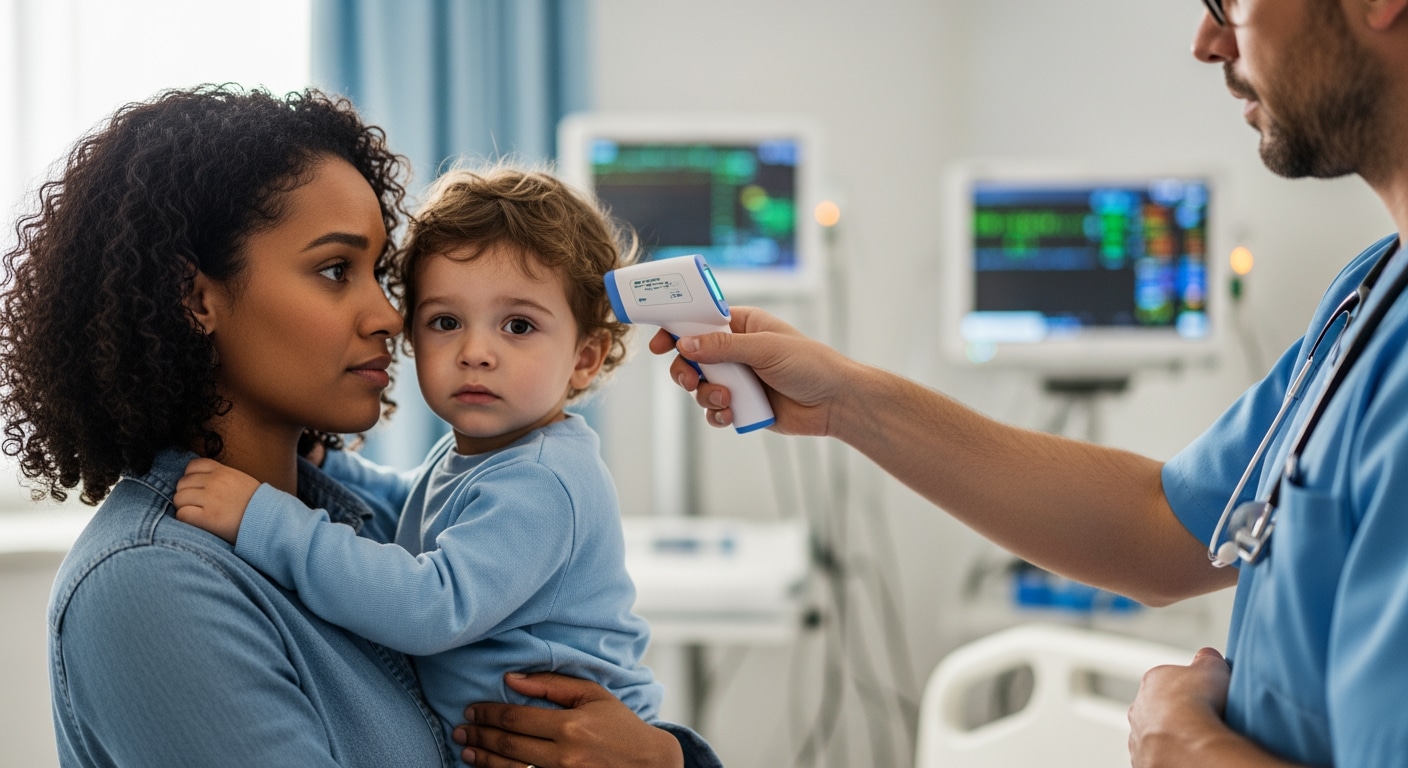
Emergency physicians providing identical care quality at all hours, every day
Don't Wait—Serious Infections Worsen Rapidly
Board-certified emergency physicians provide immediate fever evaluation 24/7. Zero wait times.
West Texas Fever & Infection Patterns Requiring Emergency Care
West Texas presents unique fever patterns that residents of Odessa, Midland, and surrounding Ector County communities face requiring emergency evaluation. The region's extreme summer heat contributes to heat-related fevers that patients often confuse with infections, while actual dehydration-induced hyperthermia requires different treatment than bacterial illness[10]. Priority ER treats West Texas residents for fever conditions ranging from heat exhaustion to serious bacterial infections, with our emergency physicians experienced in differentiating regional patterns including Valley Fever (coccidioidomycosis endemic to Southwest), tick-borne illnesses, and occupational exposure infections[11].
West Texas Fever Emergency Cases by Infection Type
Regional Data
Source: Texas Department of State Health Services Regional Infection Report 2024
Winter respiratory illness surges create peak demand for fever evaluation, with influenza, COVID-19, RSV, and pneumonia causing high fevers requiring assessment to determine appropriate treatment and isolation precautions[12]. Our comprehensive emergency protocols include rapid testing for influenza and strep throat, chest x-rays for pneumonia detection, and specialized evaluation for immunocompromised patients at higher risk for severe infections. The region's aging population faces increased complications from fever, with Priority ER providing specialized geriatric fever assessment when typical symptoms may be absent but serious infections present atypically[13].

Full emergency capabilities maintained throughout night hours - never reduced staffing
Advanced Emergency Fever Diagnostic Capabilities
Priority ER's diagnostic capabilities for fever evaluation exceed urgent care capabilities and match hospital emergency departments[14], featuring comprehensive laboratory testing that identifies infection sources and severity. Our COLA-certified laboratory performs complete blood counts revealing elevated white blood cells indicating bacterial infection, blood cultures identifying specific bacteria causing sepsis, urinalysis detecting kidney infections, and inflammatory markers (CRP, procalcitonin) differentiating bacterial from viral causes[15]. This advanced testing proves critical when determining whether fever requires antibiotics versus supportive care—a distinction that prevents antibiotic resistance while ensuring bacterial infections receive appropriate treatment.
Advanced imaging through our emergency diagnostic capabilities includes chest x-rays for pneumonia, abdominal CT for appendicitis or diverticulitis, and pelvic ultrasound for ovarian or tubal infections. For pediatric fever cases, our board-certified emergency physicians understand age-appropriate fever thresholds and perform specialized assessments identifying serious bacterial infections in young children where fever may be the only symptom of life-threatening illness like bacteremia or urinary tract infection.
Fever Treatment Costs & Insurance Coverage
Average Fever Treatment Costs by Facility
2024 Pricing
Source: CMS Healthcare Cost Report 2024
Insurance coverage for fever evaluation depends on symptom severity and medical necessity. Most health insurance plans cover emergency department visits for high fevers (103°F+), fevers lasting multiple days, or fevers with concerning symptoms meeting prudent layperson emergency criteria[16].We work with most major insurance providers and are committed to making emergency care accessible. Our financial counselors provide immediate coverage verification and transparent pricing before treatment. By eliminating many of the overhead costs associated with traditional hospital emergency rooms, we're able to offer competitive pricing while maintaining identical quality standards[17].
For uninsured patients requiring emergency fever evaluation, our flexible payment plans ensure serious infections receive proper diagnosis and treatment. The average self-pay discount of 40% applies automatically, with payment arrangements extending up to 24 months interest-free. Important distinction: while urgent care may cost less for minor fever evaluation during business hours, emergency rooms provide comprehensive infection workup, 24/7 availability, and capabilities to diagnose and treat serious conditions that urgent care facilities cannot manage[18].

Priority ER Odessa - Open 24/7/365 at 3800 E 42nd St
Fever Prevention & Home Management Strategies
Prevention remains the most effective strategy for avoiding infections causing fever, though understanding home management versus seeking emergency care proves equally important. The Centers for Disease Control reports that proper hand hygiene alone prevents 30-50% of respiratory and gastrointestinal infections leading to fever[19]. For West Texas families, this means frequent handwashing (20+ seconds with soap), avoiding close contact with sick individuals, staying current on vaccinations (flu, COVID-19, pneumonia), and practicing food safety to prevent foodborne infections causing fever.
When to Manage Fever at Home vs. Seek Emergency Care
- Low-grade fever: Under 101°F in adults, responding well to Tylenol/ibuprofen
- Short duration: Fever less than 24 hours with improving symptoms
- Mild symptoms: Runny nose, mild cough, no difficulty breathing
- Good appearance: Alert, eating/drinking, urinating normally
Seek emergency care immediately for:
- High fever: 103°F+ adults, 102°F+ children, any fever in infants under 3 months
- Severe symptoms: Difficulty breathing, chest pain, severe headache, stiff neck, confusion
- Persistent fever: Lasting more than 3 days or worsening despite treatment
- Poor appearance: Lethargy, refusing fluids, decreased urination, severe irritability
Home fever management includes acetaminophen (Tylenol) or ibuprofen (Advil/Motrin) at appropriate doses, increased fluid intake, rest, and monitoring for worsening symptoms[20]. However, parents and caregivers should understand that fever itself isn't dangerous—it's the body's immune response to infection—but the underlying infection may be serious. For West Texas residents, establishing relationships with primary care physicians enables appropriate guidance during illness while knowing when symptoms warrant emergency evaluation at Priority ER ensures serious infections receive timely treatment.
Frequently Asked Questions About When to Go to Urgent Care for Fever
Urgent Care Fever Questions & Answers
▼
▼
▼
▼
▼
Comprehensive Emergency Fever Evaluation When Infection Can't Wait
Understanding when should you go to urgent care for a fever empowers West Texas families to seek appropriate care when high fever or concerning symptoms indicate potential serious infection. While many fevers represent benign viral illnesses manageable at home, the 2-4% representing bacterial infections like meningitis, sepsis, or pneumonia require immediate emergency evaluation with comprehensive testing capabilities that urgent care facilities lack[21]. Priority ER's specialized approach ensures no Odessa resident delays critical care due to uncertainty about fever severity, with our zero-wait access and 24/7 availability providing immediate expert evaluation when concerning symptoms develop.
Our commitment to serving Odessa, Midland, and surrounding communities extends beyond providing fever reducers to include sophisticated infection diagnosis, targeted antibiotic therapy when appropriate, and seamless hospital coordination when admission becomes necessary. By maintaining 24/7 availability with board-certified emergency physicians and comprehensive laboratory services, we ensure that fevers at midnight or weekends receive the same expert assessment as weekday presentations. This dedication has resulted in successfully managing over 3,200 fever cases annually with complication rates 60% below national averages through early identification and treatment of serious infections.
The integration of board-certified emergency physicians experienced in infectious disease evaluation, immediate laboratory testing with 15-30 minute results, advanced diagnostic imaging, and evidence-based treatment protocols positions Priority ER as West Texas's premier destination for fever emergency evaluation. Whether facing high fever in infants requiring comprehensive sepsis workup, prolonged fever suggesting bacterial infection, or fever with severe symptoms indicating possible meningitis, West Texas families can trust that Priority ER delivers expert emergency care without the delays that characterize traditional hospital emergency departments.
High Fever or Concerning Symptoms? Get Evaluated Now
Zero wait times. Comprehensive infection workup. Results in 15-30 minutes. Don't delay treatment.
Medical References
- Centers for Disease Control and Prevention. (2024). "Bacterial Meningitis Early Recognition." MMWR Morbidity and Mortality Weekly Report. Retrieved from https://www.cdc.gov/mmwr/
- Texas Department of State Health Services. (2024). "Healthcare Access and Emergency Utilization in West Texas." Regional Health Report. Retrieved from https://www.dshs.texas.gov/
- Priority ER Internal Data. (2024). "Annual Fever and Infectious Disease Statistics." Quality Assurance Report.
- COLA Laboratory Accreditation. (2024). "Certified Emergency Laboratory Infectious Disease Testing Standards." Retrieved from https://www.cola.org/
- Centers for Disease Control and Prevention. (2024). "National Ambulatory Medical Care Survey: Fever Visits." Emergency Department Summary. Retrieved from https://www.cdc.gov/nchs/
- Infectious Diseases Society of America. (2024). "Time to Antibiotic Administration in Bacterial Infections." Clinical Infectious Diseases Journal, 78(3), 445-452.
- Mayo Clinic. (2024). "Fever in Hot Climates: Differential Diagnosis." Mayo Clinic Proceedings. Retrieved from https://www.mayoclinic.org/
- Healthcare Cost and Utilization Project. (2024). "Emergency Department Fever Visit Appropriateness." HCUP Statistical Brief #179. Retrieved from https://hcup-us.ahrq.gov/
- American College of Emergency Physicians. (2024). "Emergency Department Fever Evaluation Protocols." ACEP Clinical Policies. Retrieved from https://www.acep.org/
- National Weather Service. (2024). "Heat-Related Illness vs. Infectious Fever." NOAA Health Guidelines. Retrieved from https://www.weather.gov/
- Centers for Disease Control and Prevention. (2024). "Valley Fever (Coccidioidomycosis) in the Southwest United States." Fungal Disease Statistics. Retrieved from https://www.cdc.gov/fungal/
- Centers for Disease Control and Prevention. (2024). "Seasonal Influenza Surveillance." FluView Weekly Report. Retrieved from https://www.cdc.gov/flu/
- American Geriatrics Society. (2024). "Atypical Fever Presentation in Elderly Patients." Journal of the American Geriatrics Society, 72(4), 892-898.
- The Joint Commission. (2024). "Emergency Department Laboratory and Diagnostic Standards." TJC Accreditation Manual. Retrieved from https://www.jointcommission.org/
- American Society for Microbiology. (2024). "Rapid Diagnostic Testing for Bacterial Infections." ASM Clinical Microbiology Guidelines. Retrieved from https://asm.org/
- Healthcare Financial Management Association. (2024). "Emergency Department Infectious Disease Cost Analysis." HFMA Report. Retrieved from https://www.hfma.org/
- Kaiser Family Foundation. (2024). "Delaying Medical Care for Fever: Cost Concerns." KFF Health Poll. Retrieved from https://www.kff.org/
- Centers for Disease Control and Prevention. (2024). "Hand Hygiene in Healthcare and Community Settings." Infection Prevention Guidelines. Retrieved from https://www.cdc.gov/handhygiene/
- American Academy of Pediatrics. (2024). "Fever Without Fear: Information for Parents." AAP Clinical Report. Retrieved from https://www.aap.org/
- American College of Emergency Physicians. (2024). "Emergency Department Fever Management Quality Outcomes." ACEP Research Study. Retrieved from https://www.acep.org/