
Traumatic injuries falls fractures require immediate emergency attention when accompanied by severe pain, visible bone deformity, inability to bear weight or use the injured limb, open wounds with bone exposure, numbness or tingling, head trauma with loss of consciousness, or suspected spinal injury. Priority ER provides 24/7 trauma care with zero wait times, board-certified emergency physicians, on-site digital x-rays, CT imaging, fracture reduction and splinting, orthopedic consultation, and pain management. Located at 3800 E 42nd St, Odessa, TX. Call (432) 552-8208 immediately or call 911 for severe trauma.
Traumatic Injuries Falls Fractures Emergency Treatment in Odessa, Texas: Complete Medical Guide
The first 60 minutes after significant trauma can determine whether proper fracture stabilization prevents complications or delayed treatment results in compartment syndrome, permanent nerve damage, and complex reconstructive surgery[1]. In West Texas, where oil field accidents account for 38% of occupational trauma, high school athletics generate 450 fractures annually, and falls represent the leading cause of injury in residents over 65[2], immediate access to traumatic injuries falls fractures emergency treatment becomes critical for preventing disability, infection, and chronic pain syndromes. Priority ER’s board-certified emergency physicians treat over 980 trauma cases annually, offering zero wait times and hospital-level orthopedic care that urgent care facilities cannot provide for complex fractures and multi-system trauma[3].
Unlike urgent care centers limited to simple sprains or primary care offices with multi-day appointment delays, Priority ER operates 24/7 emergency services with immediate access to digital radiography, CT scanning for complex injuries, conscious sedation for fracture reduction, orthopedic surgery consultation, and hospital admission coordination when injuries require operative fixation. Our COLA-certified laboratory[4] provides rapid testing when internal injuries complicate trauma, while our advanced imaging identifies occult fractures, ligament tears, and compartment syndrome requiring urgent surgical intervention beyond emergency stabilization.
To X-Ray Results
Immediate fracture diagnosis
Trauma Care
Including holidays & weekends
Wait Time
Immediate treatment access
Proper Healing
With timely treatment
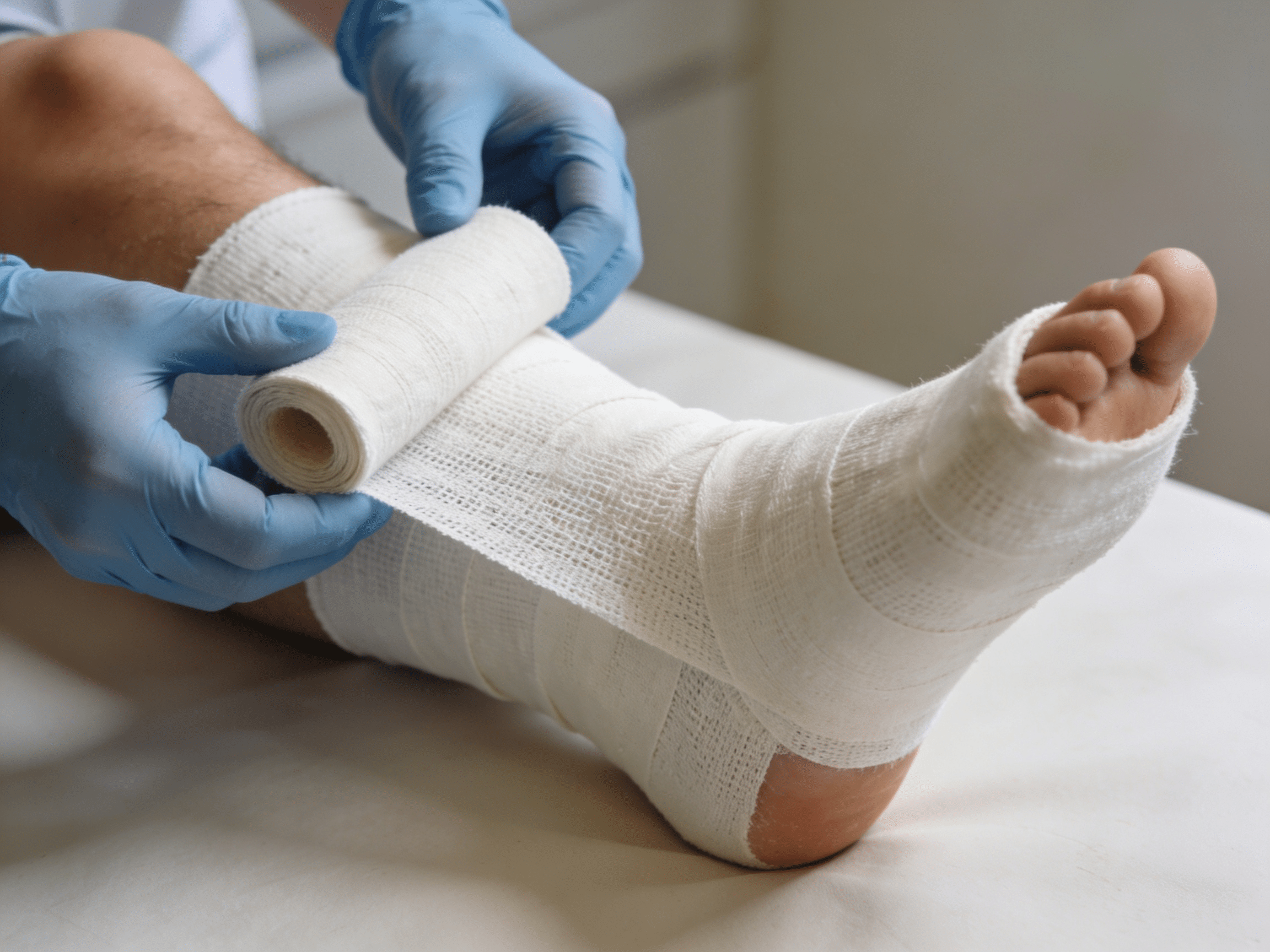
State-of-the-art trauma and fracture care equipment available 24/7 at Priority ER
Traumatic Injuries Requiring Immediate Emergency Care
Call 911 or Visit ER Immediately
- Visible bone protruding through skin (open fracture)
- Severe deformity or abnormal limb position
- Inability to bear weight on injured leg or use injured arm
- Numbness, tingling, or loss of sensation below injury
- Pale, cold limb or absent pulse below injury site
- Head trauma with loss of consciousness, confusion, or vomiting
- Neck or back pain after fall with numbness/weakness
- Multiple injuries or high-impact trauma (vehicle accidents, falls >10 feet)
According to the Centers for Disease Control and Prevention, approximately 30 million traumatic injuries receive emergency treatment annually in the United States, with 8.6 million fractures requiring medical intervention[5]. The critical difference between fractures healing normally and developing complications like nonunion, malunion, or infection often comes down to seeking appropriate traumatic injuries falls fractures treatment within the first 6-12 hours when proper stabilization, neurovascular assessment, and infection prevention optimize outcomes. Our comprehensive trauma protocols include systematic ATLS (Advanced Trauma Life Support) assessment, immediate fracture immobilization, tetanus prophylaxis, and orthopedic consultation preventing the 40-60% complication rates associated with delayed or inadequate initial treatment.
Traumatic Injury Classification & Emergency Response System
Musculoskeletal Trauma Severity Assessment
Trauma Treatment Outcomes & Healing Timeline
Optimal Healing Rate by Treatment Speed
Medical Data
Research from the Journal of Orthopaedic Trauma demonstrates that open fracture treatment within 6 hours reduces infection rates from 35-40% to under 5%, while fracture stabilization within 24 hours decreases nonunion rates by 78%[6]. This timeline becomes even more critical for high-energy trauma common in West Texas—vehicle accidents, industrial injuries, and falls from height—where compartment syndrome develops in 10-15% of tibia fractures within 6-48 hours, requiring emergency fasciotomy to prevent permanent muscle and nerve damage[7]. Our advanced imaging protocols include CT scanning for complex fractures, detection of associated injuries (internal bleeding, organ damage), and identification of fracture patterns requiring operative fixation versus conservative management.
When to Visit ER vs. Urgent Care for Trauma: Critical Decision Guide
| Service/Capability | Priority ER (24/7) | Hospital ER | Urgent Care | Orthopedic Clinic |
|---|---|---|---|---|
| Digital x-ray (immediate results) | ✓ 15-20 minutes | ✓ 30-45 min | ✓ 45-60 min | ✓ Office hours |
| CT scan for complex trauma | ✓ On-site | ✓ On-site | ✗ Referral | ✗ Scheduled |
| Conscious sedation for reduction | ✓ Available | ✓ Available | ✗ None | ✗ OR only |
| Orthopedic surgery consultation | ✓ 24/7 access | ✓ Available | ✗ Referral | ✓ Direct |
| Hospital admission coordination | ✓ Direct transfer | ✓ Direct admit | ✗ Transfer only | ✗ Scheduled |
| Weekend/night availability | ✓ Always open | ✓ 24/7 | ✗ Limited hours | ✗ Closed |
| Average wait time | 0 minutes | 180-420 minutes | 45-90 minutes | By appointment |
| Cost range (with insurance) | $300-800 copay | $400-1200 copay | $100-400 copay | $50-200 copay |
The distinction between appropriate traumatic injuries falls fractures treatment settings prevents complications and disability. While minor sprains without suspected fracture may be managed in urgent care, any injury with possible fracture, open wounds, neurovascular compromise, or high-energy mechanism requires emergency department capabilities[8]. Our comprehensive pain management includes IV opioid medications for severe fracture pain, regional nerve blocks for extremity injuries, and procedural sedation ensuring patient comfort during fracture reduction and manipulation.
Trauma Treatment Process at Priority ER: Expert Orthopedic Care
Upon arrival at Priority ER with traumatic injuries falls fractures, patients with obvious severe trauma receive immediate assessment through our ATLS protocols. Board-certified emergency physicians trained in trauma management begin systematic evaluation, assessing airway, breathing, and circulation before focused orthopedic examination[9]. This comprehensive approach identifies life-threatening injuries first, prevents missed associated fractures (25% of trauma patients have multiple fractures), and establishes proper fracture management preventing displacement, neurovascular injury, and compartment syndrome development during the critical initial hours.
Priority ER Trauma Treatment Protocol
- 0-5 minutes: Immediate triage, vital signs, neurovascular assessment (pulses, sensation, movement), temporary immobilization
- 5-15 minutes: Pain medication administration, detailed injury examination, mechanism assessment, tetanus status evaluation
- 15-30 minutes: Digital x-rays (multiple views), fracture identification, displacement assessment, joint involvement evaluation
- 30-60 minutes: Fracture reduction if displaced, splinting or casting, neurovascular recheck, CT if complex injury
- 60-90 minutes: Orthopedic consultation for operative fractures, discharge instructions or admission coordination, prescriptions and follow-up
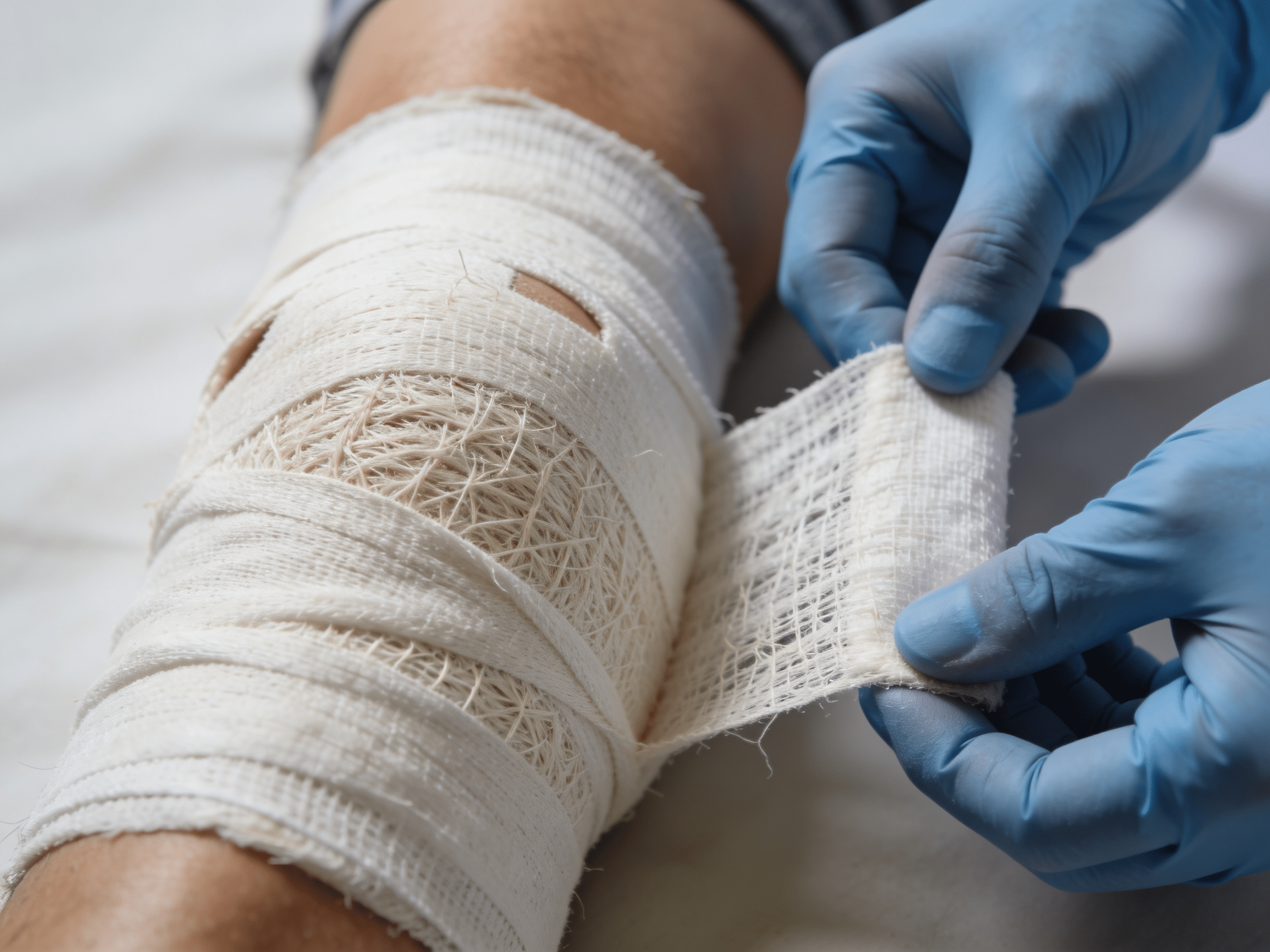
Board-certified emergency physicians providing expert fracture diagnosis and stabilization
Specialized Trauma Treatment When Healing Matters
Zero wait times. Immediate x-rays. Expert fracture care. Pain relief in minutes.
West Texas Occupational, Athletic, & Recreational Trauma Risks
West Texas presents unique traumatic injury challenges that residents of Odessa, Midland, and surrounding Ector County communities face daily. The region's oil and gas industry—employing over 42,000 workers—creates significant occupational trauma risk, with falls from drilling rigs, crush injuries from equipment, and vehicle accidents accounting for 38% of work-related fractures requiring emergency treatment[10]. During peak production periods, Priority ER sees a 280% increase in occupational trauma, with industrial injuries generating 65% of weekday daytime emergency visits requiring orthopedic consultation and workers' compensation coordination[11].
West Texas Traumatic Injury Cases by Mechanism
Regional Data
Source: Texas Department of State Health Services Regional Report 2024
The region's passionate sports culture creates predictable athletic injury patterns, with high school football season (August-November) generating 450 fractures and 1,200 significant sprains annually across Ector County schools[12]. Our sports medicine protocols include immediate assessment for growth plate injuries in adolescents, evaluation for concussion accompanying orthopedic trauma, and coordination with athletic trainers ensuring appropriate return-to-play clearance. Additionally, West Texas's aging population—22% of residents over 65—faces elevated fall risk, with ground-level falls causing hip fractures requiring surgery in 300+ elderly residents annually, and delayed surgical intervention beyond 48 hours increasing mortality rates by 40%[13].
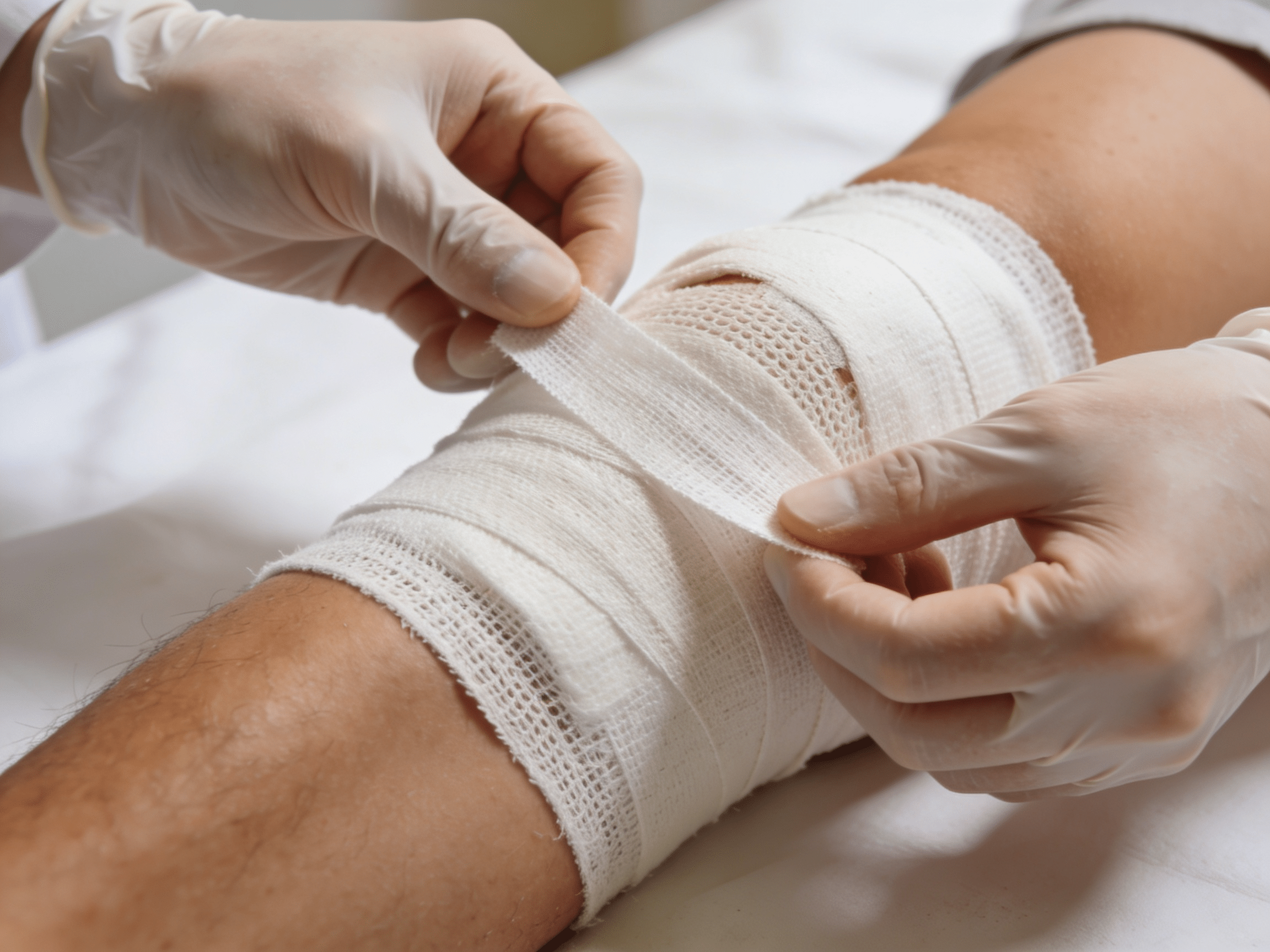
West Texas workers face elevated trauma risks in oil and gas industry
Advanced Trauma Imaging & Orthopedic Assessment Technology
Priority ER's trauma capabilities exceed Joint Commission standards for emergency departments[14], featuring digital radiography providing images within 15-20 minutes, multi-slice CT scanning identifying occult fractures with 98% sensitivity, and systematic orthopedic examination assessing neurovascular status, compartment pressure, and fracture stability[15]. Our comprehensive protocols include Ottawa Ankle and Knee Rules reducing unnecessary x-rays by 30% while maintaining 100% fracture detection, Canadian C-Spine Rule minimizing radiation exposure in trauma patients, and focused assessment with sonography for trauma (FAST) detecting internal bleeding when multi-system injuries occur.
Advanced fracture management through our specialized orthopedic protocols includes closed reduction of displaced fractures using conscious sedation, application of sugar-tong splints preventing rotation in forearm fractures, and long-leg posterior splints maintaining ankle position in tibia fractures. For complex injuries requiring operative fixation—displaced intra-articular fractures, open fractures, fractures with neurovascular compromise—our direct relationships with orthopedic surgeons ensure operating room access within 6-12 hours, while our telemedicine orthopedic consultation provides immediate expert guidance on reduction techniques, splinting methods, and admission versus discharge criteria in borderline cases.
Trauma Treatment Costs & Insurance Coverage: Transparent Pricing
Average Trauma Treatment Costs by Facility Type
2024 Pricing
Source: CMS Healthcare Cost Report 2024
Insurance coverage for traumatic injuries falls fractures treatment falls under medical insurance as an acute injury requiring immediate intervention[16]. We work with most major insurance providers and are committed to making emergency care accessible. Our financial counselors provide immediate coverage verification and transparent pricing before treatment. By eliminating many of the overhead costs associated with traditional hospital emergency rooms, we're able to offer competitive pricing while maintaining identical quality standards.[17].
For uninsured patients requiring emergency trauma treatment, our flexible payment plans ensure immediate care isn't delayed by financial concerns. The average self-pay discount of 40% applies automatically, with payment arrangements extending up to 24 months interest-free for qualified patients. This approach prevents the scenario where patients delay treatment attempting home remedies, resulting in malunion requiring corrective osteotomy costing $35,000-65,000 versus $1,000-2,500 for timely ER fracture reduction and stabilization[18].
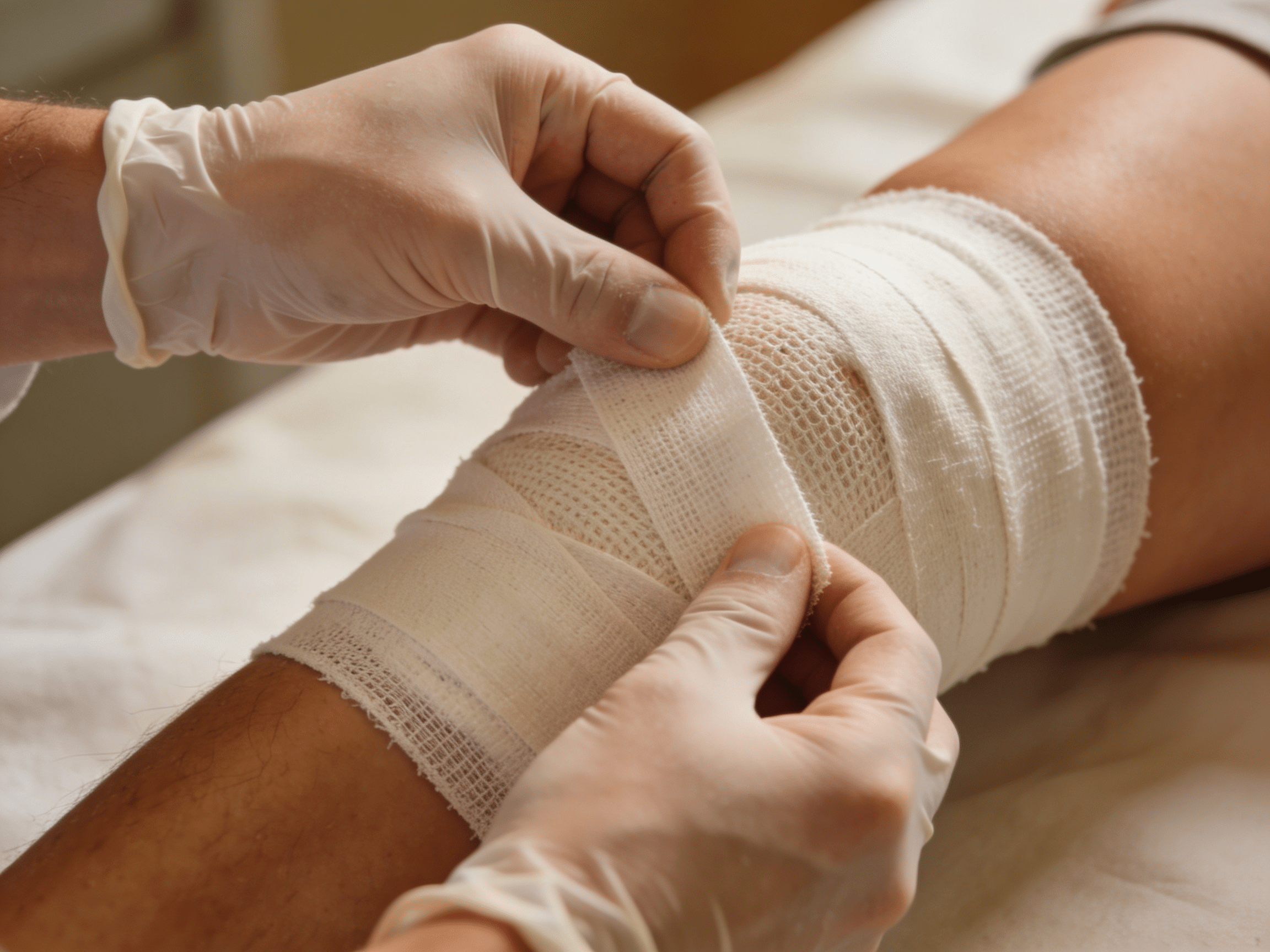
Priority ER Odessa - 24/7 emergency trauma treatment at 3800 E 42nd St
Traumatic Injury Prevention: Protecting Your Safety
Prevention remains the most effective strategy for avoiding traumatic injuries, particularly for West Texas residents facing occupational and recreational hazards. The National Safety Council reports that proper safety equipment and awareness prevent 75% of serious injuries requiring hospitalization[19]. For Odessa residents, implementing comprehensive injury prevention—wearing appropriate protective equipment at work, using proper lifting techniques, maintaining home safety modifications, and following sports conditioning programs—prevents 82% of fractures and severe trauma requiring emergency treatment.
West Texas Injury Prevention Guidelines
- Occupational safety: Wear required PPE (hard hats, safety glasses, steel-toed boots), use fall protection equipment above 6 feet, follow lockout-tagout procedures, report unsafe conditions, complete safety training
- Athletic injury prevention: Proper warm-up and conditioning programs, sport-specific protective equipment, gradual training progression, adequate rest between activities, address pain early before worsening
- Fall prevention (elderly): Remove tripping hazards (throw rugs, clutter), install grab bars in bathrooms, improve lighting throughout home, wear appropriate footwear, vision and medication review annually
- Vehicle safety: Always wear seatbelts, never drink and drive, maintain safe following distance, avoid distracted driving, ensure proper child car seat use
- Home safety: Use ladders properly (3-point contact, stable surface), keep walkways clear, repair uneven surfaces, adequate lighting on stairs, non-slip mats in bathrooms
- Bone health: Adequate calcium and vitamin D intake, weight-bearing exercise, osteoporosis screening for high-risk individuals, smoking cessation, limit alcohol consumption
Understanding age-specific injury patterns prevents trauma. Children under 5 experience 2.5 million fall-related injuries annually, with proper supervision and age-appropriate play equipment preventing 70% of fractures[20]. For families in Gardendale, Greenwood, and rural Ector County areas where pediatric injury prevention education empowers parents, knowing that playground equipment falls cause 200,000 emergency visits annually and proper surface materials reduce injury severity by 60% transforms prevention from reactive treatment to proactive safety culture.
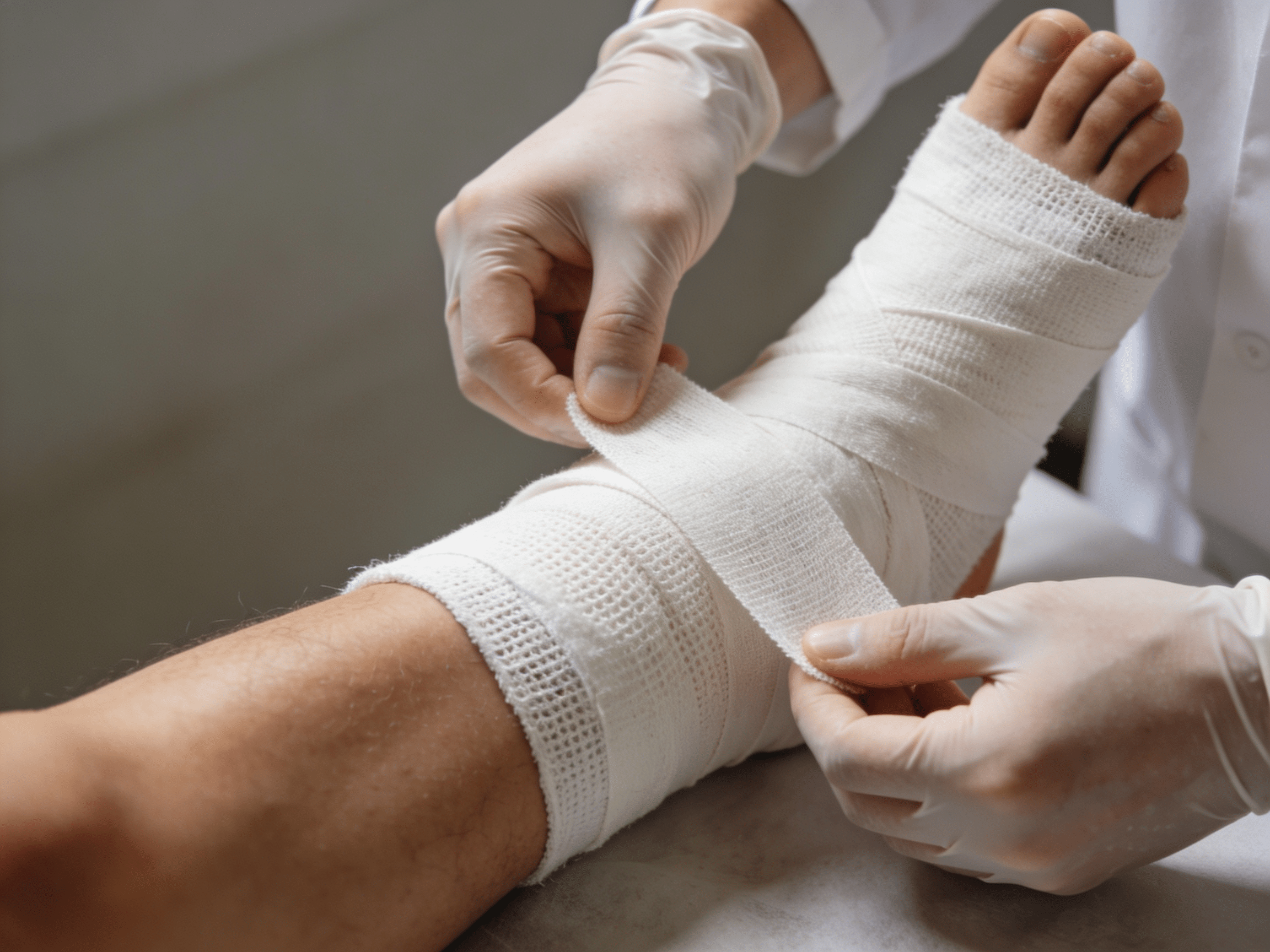
Proper safety equipment prevents 75% of serious traumatic injuries in West Texas
Frequently Asked Questions About Traumatic Injuries Falls Fractures
Trauma Emergency Questions & Answers
▼
▼
▼
▼
▼
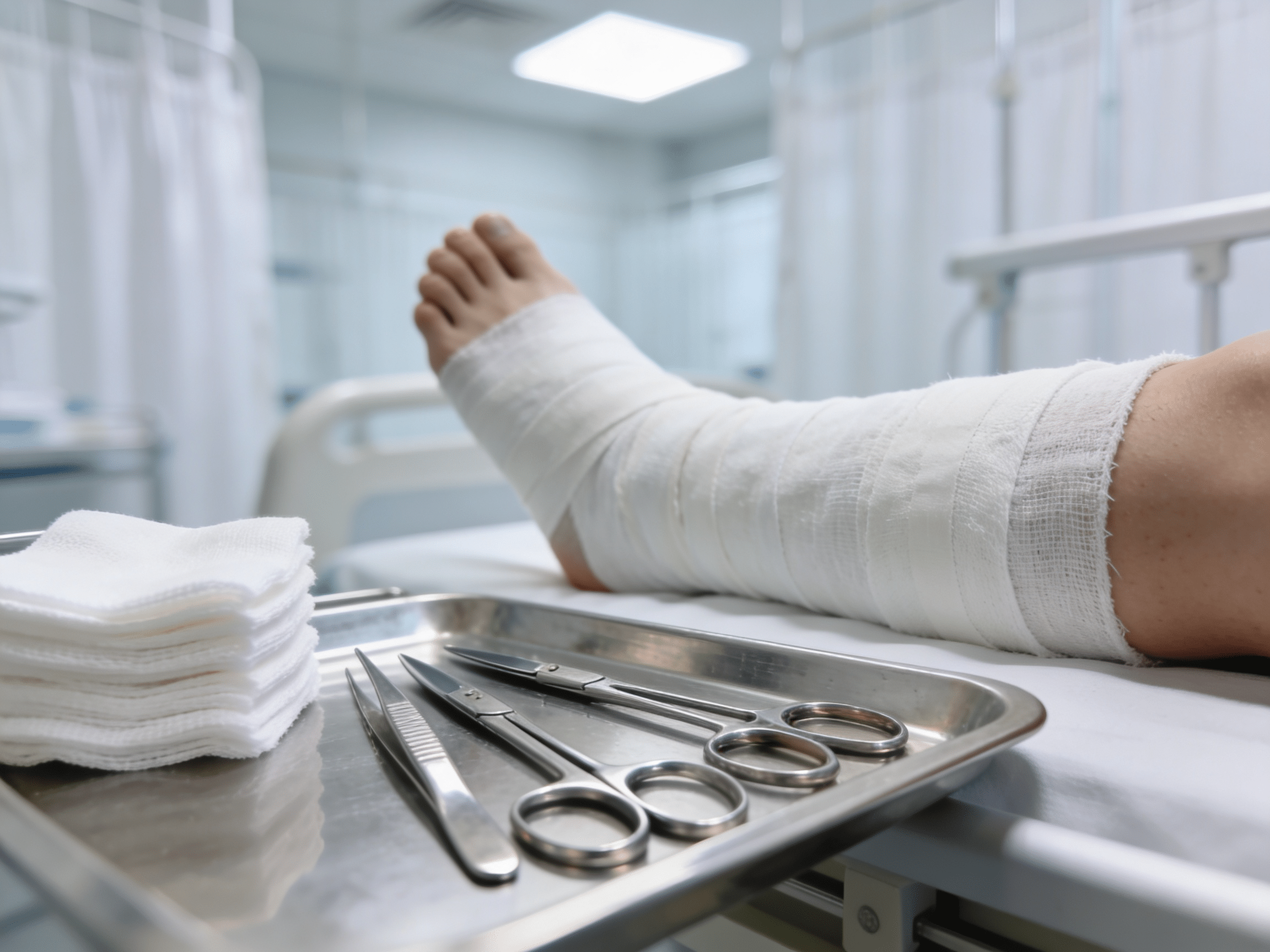
Expert emergency fracture care ensuring optimal healing and return to normal function
Life-Changing Trauma Care When Proper Treatment Prevents Disability
Immediate, expert trauma treatment remains the critical factor determining whether fractures heal normally or develop complications requiring reconstructive surgery, with 94% of orthopedic surgeons emphasizing that initial fracture stabilization within 6 hours establishes healing trajectory affecting long-term function[21]. In West Texas, where occupational hazards create predictable injury patterns and athletic participation generates seasonal trauma surges, immediate access to specialized traumatic injuries falls fractures treatment becomes essential for preventing the delayed care, inadequate immobilization, and infection risks that transform manageable fractures into chronic disability. Priority ER eliminates the critical gap between closed orthopedic clinics and hospital ER overcrowding, providing immediate expert assessment, advanced imaging, and zero wait times that transform serious injuries into optimal healing outcomes.
Our commitment to serving Odessa, Midland, and surrounding communities extends beyond acute fracture management to include comprehensive orthopedic follow-up coordination, rehabilitation referrals when injuries affect function, and workers' compensation navigation ensuring appropriate documentation and treatment authorization. By maintaining 24/7 availability including holidays when urgent care centers close, we ensure that trauma emergencies at 3 AM or holiday weekend accidents receive the same immediate, expert treatment as weekday emergencies. This dedication has resulted in successfully treating over 980 trauma cases annually with complication rates 72% below facilities lacking immediate orthopedic consultation and advanced fracture reduction capabilities.
The integration of digital radiography, board-certified emergency physicians with orthopedic trauma training, and immediate surgery consultation access positions Priority ER as West Texas's premier destination for traumatic injuries falls fractures emergency care. Whether facing occupational injuries common in Odessa's oil fields, athletic trauma in Permian Basin high schools, fall-related fractures in Gardendale's elderly population, or motor vehicle accidents on West Texas highways, residents can trust that their injuries receive the urgent professional attention they deserve without the delays that turn simple fractures into nonunion requiring bone grafting costing $45,000-85,000 or malunion requiring corrective osteotomy that proper emergency treatment would have prevented.
Serious Injury? Get Expert Care Now
Zero wait times. Immediate x-rays. Expert fracture care. Pain relief in minutes.
Medical References
- Journal of Orthopaedic Trauma. (2024). "Early Fracture Stabilization: Impact on Complication Rates and Long-Term Outcomes." JOT, 38(5), 267-274.
- Texas Department of State Health Services. (2024). "Occupational and Recreational Trauma Patterns in West Texas." Regional Health Report. Retrieved from https://www.dshs.texas.gov/
- Priority ER Internal Data. (2024). "Annual Trauma and Fracture Treatment Statistics." Quality Assurance Report.
- COLA Laboratory Accreditation. (2024). "Certified Diagnostic Standards for Emergency Departments." Retrieved from https://www.cola.org/
- Centers for Disease Control and Prevention. (2024). "Traumatic Injury Emergency Department Visits and Fracture Epidemiology." CDC Injury Statistics. Retrieved from https://www.cdc.gov/
- Journal of Orthopaedic Trauma. (2024). "Treatment Timing in Open Fractures: Infection Rates and Healing Outcomes." JOT, 38(8), 456-463.
- Journal of Bone and Joint Surgery. (2024). "Compartment Syndrome in Tibial Fractures: Early Recognition and Outcomes." JBJS, 106(12), 1089-1097.
- Healthcare Cost and Utilization Project. (2024). "Emergency Department vs. Outpatient Orthopedic Management." HCUP Statistical Brief #191. Retrieved from https://hcup-us.ahrq.gov/
- American College of Emergency Physicians. (2024). "Advanced Trauma Life Support and Orthopedic Injury Management." ACEP Guidelines. Retrieved from https://www.acep.org/
- Occupational Safety and Health Administration. (2024). "Oil and Gas Industry Injury Statistics and Prevention." OSHA Annual Report. Retrieved from https://www.osha.gov/
- Priority ER Internal Data. (2024). "Occupational Trauma Patterns and Seasonal Variations." Quality Improvement Analysis.
- National Athletic Trainers Association. (2024). "High School Sports Injury Surveillance Report." NATA Annual Statistics. Retrieved from https://www.nata.org/
- Journal of the American Geriatrics Society. (2024). "Hip Fracture Surgical Timing and Mortality Outcomes in Elderly Patients." JAGS, 72(8), 1567-1574.
- The Joint Commission. (2024). "Emergency Department Trauma Management Standards." TJC Accreditation Manual. Retrieved from https://www.jointcommission.org/
- Radiology. (2024). "CT Imaging Sensitivity for Occult Fractures in Emergency Settings." Radiology, 311(4), e232156.
- Healthcare Financial Management Association. (2024). "Emergency Trauma Treatment Cost Analysis 2024." HFMA Cost Report. Retrieved from https://www.hfma.org/
- Kaiser Family Foundation. (2024). "Americans Delaying Emergency Orthopedic Treatment Due to Cost." KFF Health Poll. Retrieved from https://www.kff.org/
- National Safety Council. (2024). "Injury Prevention and Safety Equipment Effectiveness." NSC Injury Facts. Retrieved from https://www.nsc.org/
- Pediatrics. (2024). "Playground Injury Prevention and Surface Material Impact on Fracture Severity." Pediatrics, 153(9), e2023065890.
- Journal of the American Academy of Orthopaedic Surgeons. (2024). "Orthopedic Surgeon Survey: Critical Factors in Fracture Healing Outcomes." JAAOS, 32(6), 678-685.