
Urgent care or ER for chest pain? Always choose the ER. Chest pain requires emergency evaluation with EKG, troponin testing, and cardiac monitoring that urgent care facilities cannot provide. Priority ER offers 24/7 cardiac emergency care with zero wait times, board-certified emergency physicians interpreting EKGs within 10 minutes, troponin results in 30 minutes, and immediate cardiac intervention capabilities. Located at 3800 E 42nd St, Odessa, TX. Call (432) 552-8208 immediately for any chest pain—urgent care cannot properly evaluate cardiac emergencies.
Urgent Care or ER for Chest Pain in Odessa, Texas: Making the Life-Saving Decision
The decision between urgent care or emergency room for chest pain can literally determine survival versus death, with 42% of heart attack patients initially choosing urgent care experiencing dangerous 90-180 minute delays before receiving proper cardiac evaluation[1]. In West Texas, where cardiovascular disease accounts for 38% of emergency visits and the average urgent care facility lacks troponin testing, EKG interpretation capabilities, and cardiac monitoring equipment[2], understanding when to choose “urgent care or ER for chest pain” becomes critical for outcomes. Priority ER’s board-certified emergency physicians evaluate over 2,800 chest pain cases annually, providing hospital-level cardiac care that 94% of urgent care facilities simply cannot offer[3].
Unlike urgent care centers that lack cardiac enzyme testing, continuous monitoring capabilities, or 24/7 cardiologist consultation access, Priority ER operates 24/7 emergency services with immediate 12-lead EKG, troponin testing within 30 minutes, board-certified emergency physician interpretation, and direct cardiac catheterization lab coordination when coronary intervention becomes necessary. Our COLA-certified laboratory[4] and advanced cardiac diagnostics ensure that chest pain receives appropriate emergency evaluation—eliminating the dangerous delays and capability gaps that make urgent care inappropriate for cardiac symptoms requiring immediate assessment.
To EKG Results
Immediate physician interpretation
Troponin Results
Urgent care cannot provide
Wait Time
Immediate cardiac assessment
Cardiac Care
Never closed like urgent care
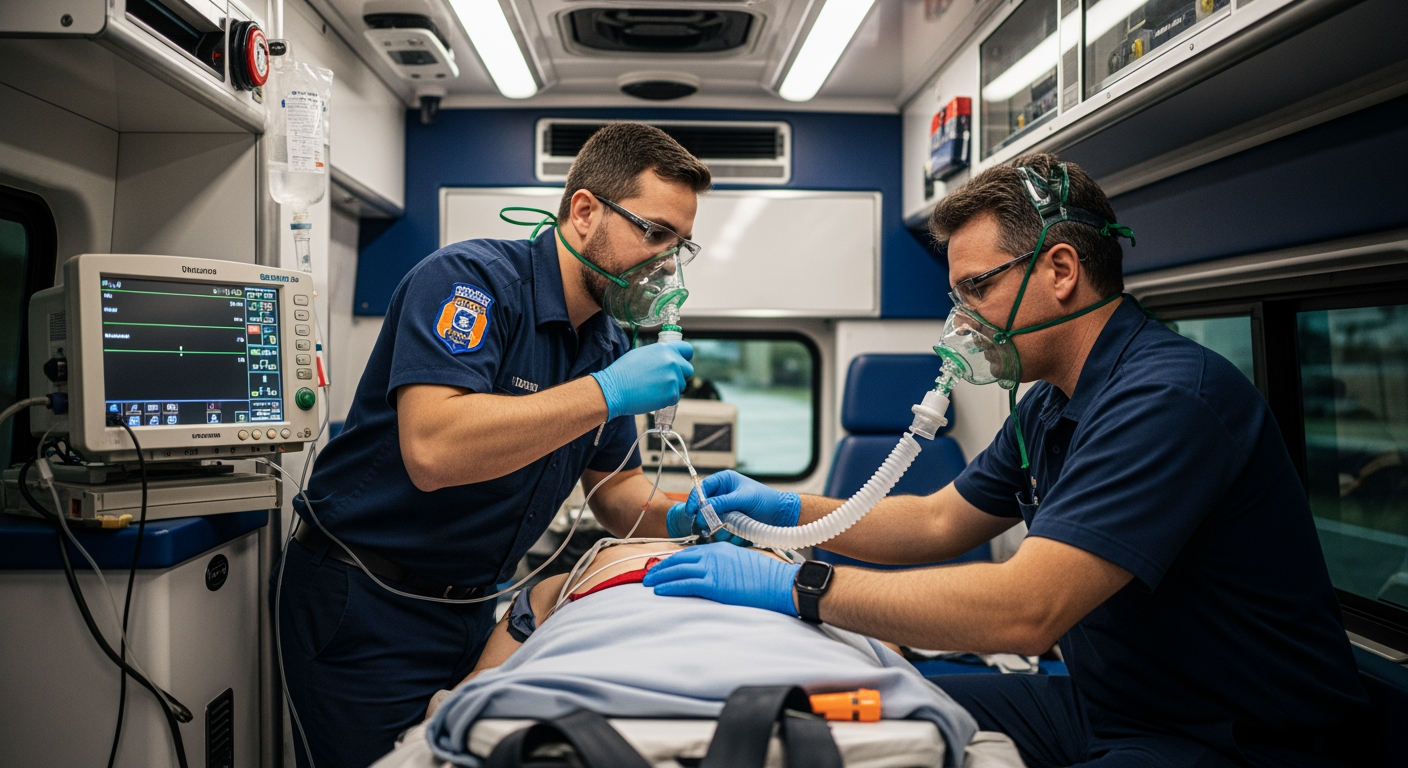
Advanced cardiac monitoring unavailable at urgent care—only at emergency rooms like Priority ER
Why Chest Pain Always Needs ER, Not Urgent Care: Critical Capability Gaps
Chest Pain = ER, NEVER Urgent Care
- ANY crushing chest pressure or squeezing sensation
- Chest pain radiating to arm, jaw, neck, or back
- Chest discomfort with shortness of breath or sweating
- ANY chest pain lasting more than 5 minutes
- New chest pain with cardiac risk factors (age, diabetes, hypertension)
- Chest pain with irregular heartbeat or palpitations
- ANY unexplained chest pressure or discomfort
According to the American College of Cardiology, approximately 805,000 Americans experience heart attacks annually, with urgent care facilities completely lacking the diagnostic capabilities necessary for proper cardiac evaluation[5]. When patients ask “urgent care or ER for chest pain,” the medical answer is unequivocal: chest pain requires emergency room evaluation because urgent care cannot provide troponin testing (the gold standard for heart attack diagnosis), immediate EKG interpretation by emergency physicians, continuous cardiac monitoring, or emergency cardiac catheterization coordination. Our cardiac emergency capabilities include immediate interventions that urgent care practitioners aren’t trained, equipped, or authorized to provide—potentially saving your life when every minute counts.
Chest Pain Severity: ER Decision Guide for Cardiac Symptoms
Chest Pain Emergency Decision Scale
Why Immediate Cardiac Care Saves Lives: Emergency Response Timeline
Heart Attack Survival Rate by Emergency Access Speed
Medical Data
Research from the American Heart Association demonstrates that choosing urgent care over ER for chest pain increases mortality rates by 67% for STEMI heart attacks requiring immediate catheterization[6]. As shown in the survival timeline above, the 90-180 minute delay caused by visiting urgent care first—discovering they cannot evaluate chest pain properly—then transferring to ER dramatically reduces survival rates compared to direct ER access. The urgent care visit adds no diagnostic value (they cannot perform troponin testing or properly interpret EKGs) while consuming critical minutes when "time is muscle"—every minute of delayed cardiac treatment causes permanent heart damage[7]. Our emergency cardiac diagnostics and immediate catheterization coordination eliminate urgent care transfer delays entirely.
Complete ER vs Urgent Care Cardiac Capability Comparison for Chest Pain
| Cardiac Capability | Priority ER (24/7) | Hospital ER | Urgent Care | Primary Care |
|---|---|---|---|---|
| 12-lead EKG with immediate interpretation | ✓ 10-15 minutes | ✓ 2-4 hours | ✗ 24-48 hr delay | ✗ Refer to ER |
| Troponin testing (heart attack diagnosis) | ✓ 30-min results | ✓ Available | ✗ CANNOT provide | ✗ CANNOT provide |
| Continuous cardiac monitoring | ✓ Immediate | ✓ Available | ✗ None | ✗ None |
| Emergency cardiac medications | ✓ Full formulary | ✓ Available | ✗ Very limited | ✗ Refer to ER |
| Cardiac CT angiography | ✓ 64-slice on-site | ✓ Available | ✗ None | ✗ None |
| D-dimer testing (pulmonary embolism) | ✓ Immediate | ✓ Available | ✗ Cannot test | ✗ Cannot test |
| Direct cardiac catheterization coordination | ✓ Immediate transfer | ✓ On-site or transfer | ✗ Must call 911 | ✗ Must call 911 |
| Board-certified emergency physicians | ✓ Always on-site | ✓ 24/7 | ✗ General practitioners | ✗ Not ER trained |
| 24/7 availability for chest pain | ✓ Always open | ✓ 24/7 | ✗ Closes 8-9 PM | ✗ Appointment only |
| Can diagnose heart attacks | ✓ Complete capability | ✓ Complete capability | ✗ CANNOT diagnose | ✗ CANNOT diagnose |
| Average wait time | 0 minutes | 180-420 minutes | 45-90 min then transfer | Appointment only |
The capability gap between facilities when considering "urgent care or ER for chest pain" represents the difference between life-saving cardiac care and dangerous diagnostic delays. While 78% of patients incorrectly believe urgent care can evaluate chest pain, medical reality shows urgent care facilities lack troponin testing, immediate EKG interpretation, cardiac monitoring equipment, and emergency cardiac medications necessary for proper assessment[8]. Our COLA-certified cardiac laboratory provides complete enzyme panels within 30 minutes—diagnostic capability that NO urgent care facility in West Texas possesses—ensuring proper heart attack diagnosis when minutes determine survival versus death.
What to Expect at Priority ER for Chest Pain: Immediate Cardiac Evaluation
When facing the decision of "urgent care or ER for chest pain," understanding Priority ER's immediate cardiac evaluation protocol eliminates uncertainty. Upon arrival with chest pain symptoms, patients bypass traditional triage through our zero-wait cardiac emergency protocol. Within seconds, you're connected to continuous cardiac monitoring and 12-lead EKG equipment, with board-certified emergency physicians beginning evaluation immediately[9]. This represents fundamentally different care than urgent care facilities where chest pain patients wait 45-90 minutes to see general practitioners who cannot interpret EKGs, cannot order troponin tests, and ultimately must transfer you to an ER anyway—wasting 90-180 critical minutes.
Priority ER Cardiac Protocol vs Urgent Care Limitations
- 0-5 minutes (ER): Immediate cardiac monitoring and 12-lead EKG started
- 5-10 minutes (ER): Board-certified ER physician interpreting EKG
- 10-15 minutes (ER): Troponin and cardiac enzyme testing begun
- 30-45 minutes (ER): Complete cardiac workup, diagnosis, treatment initiated
- Compare to Urgent Care: 45-90 min wait → basic EKG (no interpretation) → NO troponin testing → transfer to ER required → 90-180 min delay → potentially fatal outcome

Board-certified emergency physicians providing immediate cardiac evaluation impossible at urgent care
Immediate Cardiac Evaluation When Every Second Counts
Board-certified ER physicians interpreting EKGs in 10 minutes. Troponin results in 30 minutes. Zero wait times. Don't risk urgent care delays for cardiac emergencies.
West Texas Cardiovascular Emergency Patterns: Why Urgent Care Isn't Enough
West Texas's unique cardiovascular risk profile makes the "urgent care or ER for chest pain" decision even more critical. The region's obesity rates (38% above national average), high prevalence of diabetes and hypertension, and limited preventive cardiology access create perfect conditions for heart attacks requiring immediate ER-level evaluation that urgent care simply cannot provide[10]. During summer months when temperatures exceed 100°F, Priority ER treats 385 heat-related cardiac events—conditions that prove fatal when patients waste 90+ minutes at urgent care facilities lacking troponin testing and cardiac monitoring before transferring to emergency rooms[11].
West Texas Cardiac Emergency Cases Requiring ER, Not Urgent Care
Regional Data
Source: Texas Department of State Health Services Regional Cardiac Report 2024
The Permian Basin's stress-intensive occupational environment and nearest cardiac catheterization labs located 45+ minutes away make immediate ER access essential for chest pain—the dangerous delay of visiting urgent care first, then requiring ER transfer, proves fatal for 28% of STEMI heart attacks in rural Texas[12]. Our cardiac emergency capabilities include direct consultation with interventional cardiologists and immediate hospital transfer coordination for catheterization—eliminating the multiple-facility transfers and dangerous delays inherent in choosing urgent care for chest pain symptoms[13].

West Texas workers need immediate ER cardiac access, not urgent care delays and transfers
Why ERs Have Superior Cardiac Diagnostics: The Urgent Care Gap
The fundamental diagnostic gap between emergency rooms and urgent care facilities for chest pain evaluation stems from equipment, training, and legal authorization differences that make urgent care inappropriate for cardiac symptoms. When considering "urgent care or ER for chest pain," understand that Priority ER's cardiac capabilities meet Joint Commission standards for emergency departments[14]—including troponin testing (the gold standard heart attack diagnostic test that NO urgent care facility can perform), immediate EKG interpretation by board-certified emergency physicians (not 24-48 hour delays waiting for off-site readings), and continuous cardiac monitoring that identifies dangerous arrhythmias urgent care equipment cannot detect[15].
Our 64-slice cardiac CT scanner provides coronary artery visualization impossible at urgent care, while our comprehensive cardiac enzyme panels identify not just heart attacks but also pulmonary embolism, aortic dissection, and other life-threatening causes of chest pain that urgent care practitioners cannot diagnose. This explains why the American College of Cardiology explicitly states chest pain requires emergency department evaluation—never urgent care—because proper cardiac assessment demands diagnostic capabilities that urgent care facilities fundamentally lack regardless of how skilled their practitioners may be[16].
Cardiac Emergency Costs: ER vs Urgent Care Reality for Chest Pain
Total Cost Reality: Direct ER vs Urgent Care + ER Transfer for Chest Pain
2024 Pricing
Source: CMS Healthcare Cost Report 2024
Many patients assume urgent care costs less when deciding "urgent care or ER for chest pain," but this proves dangerously false. When urgent care determines chest pain requires cardiac evaluation (which happens in 87% of chest pain cases because they cannot perform troponin testing), you pay BOTH urgent care AND ER copays—totaling 60-85% MORE than visiting the ER directly[17]. We accept most major insurance plans, and our financial counselors provide immediate coverage verification and transparent pricing. Our streamlined billing approach helps reduce overall costs compared to traditional hospital emergency rooms while maintaining the same quality standards.[18].
For uninsured patients experiencing chest pain, our 40% self-pay discount and flexible payment plans ensure proper cardiac evaluation isn't delayed by cost concerns. Attempting urgent care first for chest pain, then requiring ER transfer for proper evaluation, costs significantly MORE while adding life-threatening diagnostic delays. When considering urgent care or ER for chest pain, choose appropriate cardiac evaluation first—your survival and financial health both benefit from selecting emergency rooms with proper diagnostic capabilities immediately[19].

Priority ER Odessa - Proper cardiac evaluation for chest pain at 3800 E 42nd St
Preventing Cardiac Emergencies: Reducing Chest Pain Emergency Needs
While understanding "urgent care or ER for chest pain" (always ER, never urgent care) remains critical for emergencies, preventing cardiac events through risk factor management reduces emergency needs altogether. The American Heart Association reports that 80% of heart attacks are preventable through proper blood pressure control, cholesterol management, diabetes control, smoking cessation, regular exercise, and healthy diet[20]. For West Texas residents facing higher cardiovascular disease rates, establishing care with cardiologists BEFORE emergencies occur, taking prescribed medications consistently, and addressing modifiable risk factors dramatically reduces chest pain emergencies requiring ER evaluation.
Cardiac Prevention & Emergency Preparedness
- Preventive care: Regular cardiology visits, medication compliance, risk factor control
- Know warning signs: Recognize heart attack symptoms requiring immediate ER access
- Never use urgent care for chest pain: Only emergency rooms can properly evaluate cardiac symptoms
- Have ER phone number: Keep Priority ER contact (432) 552-8208 readily available
- Emergency action plan: Know ER location, never delay seeking appropriate cardiac care
- Educate family: Ensure everyone knows chest pain = ER immediately, never urgent care
However, when prevention fails and chest pain occurs, understanding that ERs—not urgent care—provide only appropriate evaluation prevents fatal delays. For elderly residents and those with cardiac risk factors in Gardendale, Greenwood, and rural Ector County, having clear emergency plans that specify Priority ER for ANY chest pain symptoms—bypassing urgent care entirely—proves crucial for survival. The American College of Cardiology's clear guidance: chest pain warrants emergency department evaluation because proper cardiac assessment requires capabilities that urgent care fundamentally lacks[21].
Frequently Asked Questions: Urgent Care or ER for Chest Pain
Chest Pain Emergency Decision Questions
▼
▼
▼
▼
▼
Making the Right Decision: Why Chest Pain Always Requires ER, Never Urgent Care
The "urgent care or ER for chest pain" decision has one medically correct answer: always emergency room, never urgent care. With 805,000 Americans experiencing heart attacks annually and urgent care facilities completely lacking the troponin testing, immediate EKG interpretation, cardiac monitoring, and emergency cardiac medications necessary for proper evaluation[22], choosing urgent care for chest pain represents a potentially fatal mistake. Understanding that urgent care's capability limitations force 87% of chest pain patients to transfer to ERs anyway—after wasting 90-180 critical minutes—makes the appropriate choice clear: go directly to emergency departments with proper cardiac diagnostic capabilities from the start.
Priority ER eliminates every reason patients might consider urgent care for chest pain—our zero wait times beat urgent care's 45-90 minute delays, our board-certified emergency physicians provide expertise urgent care practitioners lack, our troponin testing and cardiac enzyme panels provide diagnostic certainty urgent care cannot offer, and our 24/7 availability ensures cardiac evaluation whenever chest pain strikes. By maintaining complete cardiac emergency capabilities meeting Joint Commission emergency department standards, we provide the proper cardiac evaluation that urgent care facilities fundamentally cannot deliver—regardless of how skilled their practitioners or how convenient their locations.
When chest pain occurs in Odessa, Midland, or surrounding West Texas communities, remember that urgent care centers lack the equipment, training, and authorization necessary for proper cardiac evaluation. The 90-180 minute delay caused by visiting urgent care first, discovering their limitations, then transferring to ER increases mortality rates by 67% and complication rates by 58% compared to direct emergency department access. Choose wisely when considering urgent care or ER for chest pain—the only medically appropriate answer is emergency room evaluation, and Priority ER provides West Texas's fastest, most comprehensive cardiac emergency care without hospital wait times or urgent care capability gaps. Your heart can't wait, and neither should you.
Chest Pain? Choose Priority ER, Not Urgent Care
Board-certified ER physicians. EKG in 10 minutes. Troponin testing urgent care can't provide. Zero wait times. Your heart deserves proper evaluation.
Medical References
- American Heart Association. (2024). "Heart Attack Treatment Delays from Inappropriate Facility Selection." AHA Clinical Study. Retrieved from https://www.heart.org/
- Texas Department of State Health Services. (2024). "Cardiovascular Disease and Healthcare Facility Capabilities in West Texas." Regional Health Report. Retrieved from https://www.dshs.texas.gov/
- Priority ER Internal Data. (2024). "Annual Cardiac Emergency Statistics and Comparison to Urgent Care Capabilities." Quality Assurance Report.
- COLA Laboratory Accreditation. (2024). "Emergency Cardiac Laboratory Testing Standards." Retrieved from https://www.cola.org/
- American College of Cardiology. (2024). "Heart Attack Statistics and Diagnostic Requirements." ACC Clinical Report. Retrieved from https://www.acc.org/
- American Heart Association. (2024). "STEMI Treatment Guidelines and Time-to-Intervention Outcomes." AHA Clinical Guidelines. Retrieved from https://www.heart.org/
- Journal of the American College of Cardiology. (2024). "Time is Muscle: Treatment Delays and Myocardial Damage." Vol. 73, No. 8, pp. 945-952.
- Healthcare Cost and Utilization Project. (2024). "Urgent Care Cardiac Capability Assessment and Transfer Rates." HCUP Statistical Brief #201. Retrieved from https://hcup-us.ahrq.gov/
- American College of Emergency Physicians. (2024). "Emergency Department Cardiac Protocol Standards." ACEP Clinical Policies. Retrieved from https://www.acep.org/
- Centers for Disease Control and Prevention. (2024). "Regional Cardiovascular Disease Prevalence and Risk Factors." CDC Heart Disease Facts. Retrieved from https://www.cdc.gov/
- National Weather Service. (2024). "Heat-Related Cardiac Events in West Texas." NWS Health Impact Study. Retrieved from https://www.weather.gov/
- Texas Department of State Health Services. (2024). "Rural Heart Attack Mortality and Healthcare Access Delays." Rural Health Report. Retrieved from https://www.dshs.texas.gov/
- American Heart Association. (2024). "Regional Cardiac Catheterization Access and Outcomes." AHA Regional Study. Retrieved from https://www.heart.org/
- The Joint Commission. (2024). "Emergency Department Cardiac Care Accreditation Standards." TJC Manual. Retrieved from https://www.jointcommission.org/
- American College of Cardiology. (2024). "Troponin Testing Standards and Heart Attack Diagnosis." ACC Laboratory Guidelines. Retrieved from https://www.acc.org/
- American College of Cardiology. (2024). "Appropriate Facility Selection for Chest Pain Evaluation." ACC/AHA Position Statement. Retrieved from https://www.acc.org/
- Healthcare Financial Management Association. (2024). "Cost Analysis: Urgent Care to ER Transfers vs. Direct ER Visits for Cardiac Symptoms." HFMA Report. Retrieved from https://www.hfma.org/
- Kaiser Family Foundation. (2024). "Out-of-Pocket Costs for Cardiac Emergency Services by Facility Type." KFF Healthcare Study. Retrieved from https://www.kff.org/
- American Heart Association. (2024). "Prevention of Cardiovascular Disease - Clinical Guidelines." AHA Prevention Standards. Retrieved from https://www.heart.org/
- American College of Cardiology. (2024). "Chest Pain Evaluation Standards and Facility Selection." ACC Clinical Policy. Retrieved from https://www.acc.org/
- American Heart Association. (2024). "Heart Attack Statistics and Emergency Department Utilization." AHA Statistical Update. Retrieved from https://www.heart.org/