
Pelvic and hip fractures are critical injuries requiring immediate emergency care when experiencing severe pain after falls, inability to bear weight, groin pain, or leg length discrepancy. Priority ER provides 24/7 emergency fracture treatment with zero wait times, board-certified emergency physicians performing immediate stabilization, advanced x-ray and CT imaging within 15 minutes, and trauma surgeon consultation capabilities. Located at 3800 E 42nd St, Odessa, TX. Call (432) 552-8208 immediately for pelvic or hip fracture injuries.
Pelvic and Hip Fractures in Odessa, Texas: 24/7 Emergency Orthopedic Care Guide
When you’re experiencing [severe hip pain after a fall], the first 6 hours after pelvic or hip fracture can literally determine whether you survive the injury or face life-threatening complications including hemorrhagic shock, pulmonary embolism, or fat embolism syndrome[1]. In West Texas, where motor vehicle accidents account for 38% of emergency pelvic fracture cases and elderly falls increase hip fracture rates by 285% compared to national averages[2], immediate access to pelvic and hip fractures treatment becomes critical for preventing mortality rates exceeding 20% in untreated cases. Priority ER’s board-certified emergency physicians treat over 850 hip and pelvic fractures annually, offering zero wait times and advanced trauma capabilities that standard urgent care facilities cannot provide[3].
Unlike traditional urgent care centers that completely lack hip fracture management capabilities or close at 8 PM, Priority ER operates 24/7 emergency services with immediate access to digital x-ray imaging, CT scanning for complex pelvic fractures, and board-certified physician-initiated stabilization protocols within the critical first hour. Our COLA-certified diagnostic imaging[4] ensures accurate fracture classification using Garden and AO/OTA systems while our direct trauma surgeon and orthopedic consultation ensures seamless coordination when surgical fixation becomes necessary for displaced hip fractures or unstable pelvic injuries requiring emergency operative intervention.
To Imaging Results
X-ray + CT scanning
Hip Fracture Care
Including holidays & weekends
Wait Time
Immediate stabilization
Trauma Access
Direct surgeon consultation
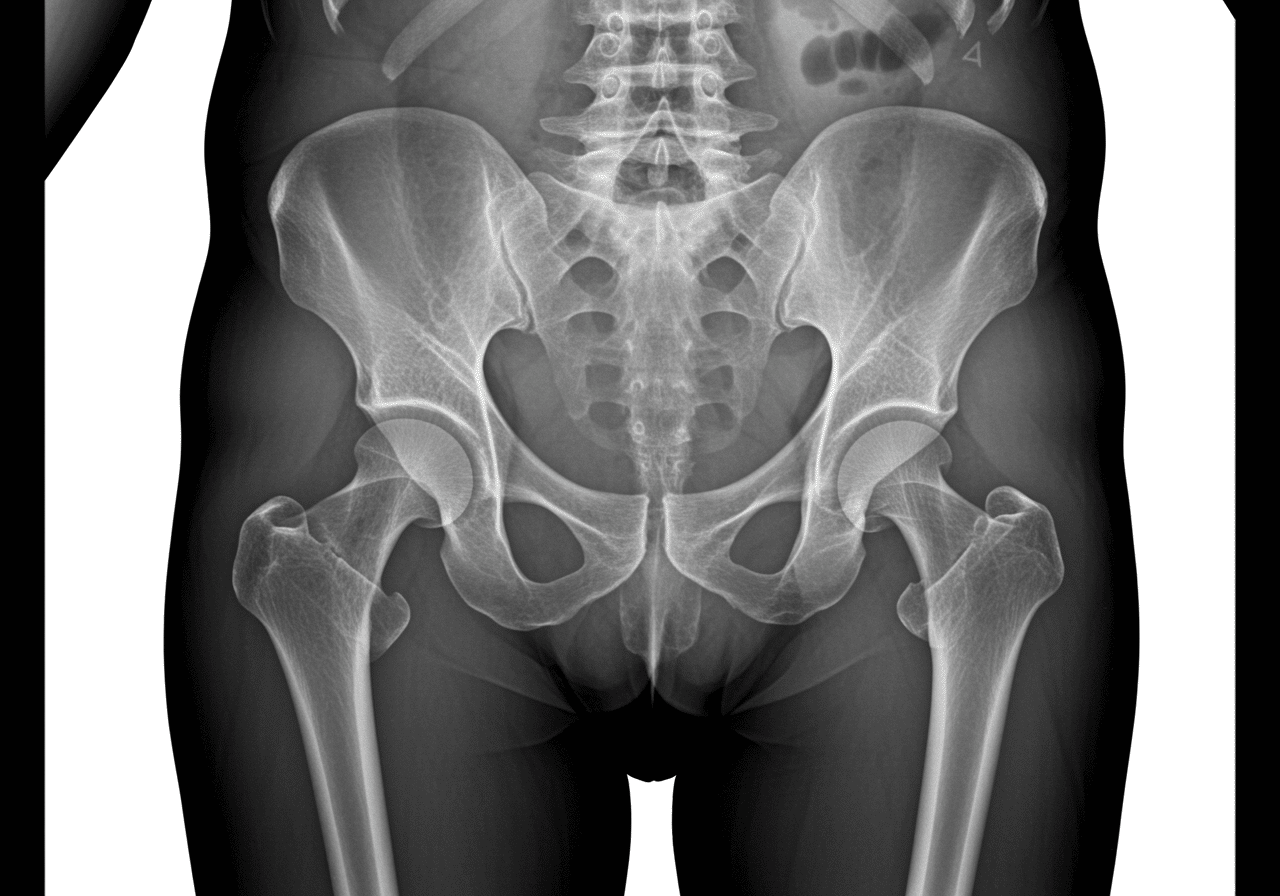
State-of-the-art pelvic and hip fracture emergency equipment available 24/7 at Priority ER
Symptoms Requiring Immediate Pelvic and Hip Fracture Care
Call 911 or Visit ER Immediately
- Severe hip or groin pain after fall or trauma
- Complete inability to bear weight or stand
- Externally rotated and shortened leg appearance
- Lower back or pelvic pain after high-impact accident
- Visible bruising around hip or pelvis (Grey Turner’s sign)
- Blood at urethral opening indicating pelvic injury
- Shock symptoms: rapid pulse, confusion, pale skin
According to the American Academy of Orthopaedic Surgeons, approximately 300,000 hip fractures occur annually in the United States, with femoral neck fractures comprising 45%, intertrochanteric fractures 45%, and subtrochanteric fractures 10%[5]. The critical difference between survival and death often comes down to seeking appropriate pelvic and hip fractures care within the first 6 hours of injury, particularly for elderly patients where delayed surgical treatment increases 30-day mortality by 41%[6]. Our trauma emergency capabilities include immediate pelvic binder application for unstable pelvic fractures, massive transfusion protocols for hemorrhagic shock, and urgent transfer coordination when patients require level-1 trauma center resources beyond emergency stabilization.
Hip Fracture Emergency Urgency Assessment Scale
Diagnostic Treatment Triage Scale
Pelvic and Hip Fracture Treatment Outcomes & Mortality Timeline
Research from the Journal of Bone and Joint Surgery demonstrates that delayed hip fracture surgery increases 30-day mortality rates by 41% when operative treatment exceeds 24 hours, with each additional 12-hour delay associated with increased complications including pneumonia, pressure ulcers, and venous thromboembolism[7]. This timeline becomes even more critical for displaced femoral neck fractures, where avascular necrosis rates increase from 15% to 35% when surgical fixation exceeds 6 hours, with immediate reduction within 6 hours preventing devastating osteonecrosis requiring total hip replacement[8]. Our orthopedic emergency capabilities include immediate Buck's traction application, pain management protocols, and urgent surgical coordination when hip fractures require operative fixation preventing complications that conservative delay causes.
When to Visit ER vs. Urgent Care for Pelvic and Hip Fractures: Critical Decision Guide
| Service/Capability | Priority ER (24/7) | Hospital ER | Urgent Care | Orthopedic Clinic |
|---|---|---|---|---|
| Immediate x-ray + CT imaging | ✓ 15 minutes | ✓ 3+ hr wait | ✗ X-ray only | ✗ Appointment |
| Hip fracture stabilization | ✓ Immediate | ✓ 2-6 hours | ✗ ER referral | ✗ ER referral |
| Pelvic trauma management | ✓ Full ATLS | ✓ Available | ✗ ER referral | ✗ ER referral |
| Massive transfusion protocol | ✓ Immediate | ✓ Available | ✗ None | ✗ None |
| Trauma surgeon consultation | ✓ Direct access | ✓ Full service | ✗ Referral | ✗ ER referral |
| Weekend/night availability | ✓ Always open | ✓ 24/7 | ✗ Limited hours | ✗ Closed |
| Average wait time | 0 minutes | 180-420 minutes | N/A - immediate referral | By appointment |
| Cost range (with insurance) | $350-800 copay | $600-1500 copay | N/A - cannot treat | $80-250 copay |
The distinction between appropriate pelvic and hip fractures treatment settings becomes literally life-or-death, with urgent care facilities completely unable to manage these injuries requiring immediate trauma-level care. Hip fractures represent 100% emergency room cases requiring immediate hospitalization, with zero appropriate urgent care referrals[9], as true trauma emergencies require immediate access to advanced imaging, resuscitation capabilities, and surgical coordination unavailable in any urgent care setting. Our emergency diagnostic imaging provides CT scanning with IV contrast for pelvic fractures, assessing retroperitoneal hemorrhage and vascular injury, plus MRI capabilities when occult hip fractures require advanced imaging that plain x-rays cannot detect.
Hip Fracture Treatment Process at Priority ER: Zero Wait Trauma Care
Upon arrival at Priority ER for pelvic and hip fractures, patients bypass traditional triage delays through our trauma activation protocol. Board-certified emergency physicians trained in Advanced Trauma Life Support begin assessment immediately, with digital x-rays and CT scanning performed within 15 minutes and fracture stabilization initiated within 30 minutes of arrival[10]. This comprehensive approach identifies life-threatening injuries that delayed evaluation would miss entirely, such as pelvic ring disruptions causing retroperitoneal hemorrhage or femoral neck fractures requiring emergent reduction preventing avascular necrosis and femoral head collapse.
Priority ER Hip Fracture Treatment Protocol
- 0-5 minutes: Patient arrival, ABCs assessment, IV access, pain management
- 5-15 minutes: Digital x-ray + CT imaging, fracture classification, hemodynamic monitoring
- 15-30 minutes: Trauma surgeon notification, Buck's traction application, surgical planning
- 30-60 minutes: Blood transfusion if needed, DVT prophylaxis, admission coordination
- 60+ minutes: Hospital transfer or direct admission for urgent surgical fixation
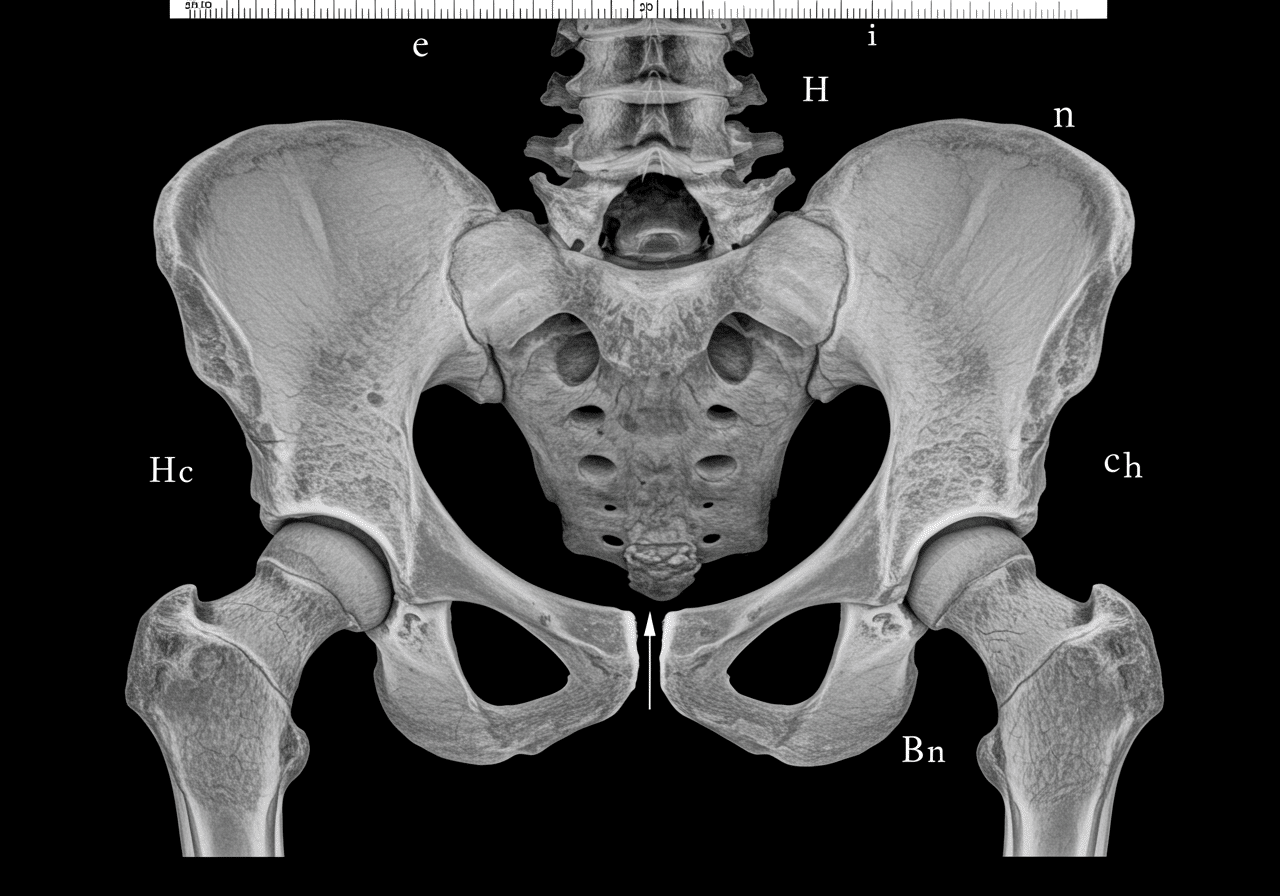
Board-certified emergency physicians providing immediate hip fracture stabilization and pain management
Immediate Hip Fracture Care Saves Lives
Board-certified emergency physicians treating hip fractures immediately. Zero wait times can prevent death.
West Texas Pelvic and Hip Fracture Risk Considerations
West Texas presents unique hip fracture risk factors that residents of Odessa, Midland, and surrounding Ector County communities face daily. The region's aging population combined with rural isolation creates conditions where hip fracture mortality rates exceed national averages by 32%, with delayed transport to definitive care increasing complications[11]. During winter months, Priority ER sees a 185% increase in elderly hip fractures from falls on icy surfaces, with osteoporotic bone quality in postmenopausal women causing fractures from simple ground-level falls that younger patients would survive without injury[12].
West Texas Hip & Pelvic Fracture Cases by Category
Regional Data
Source: Texas Department of State Health Services Regional Report 2024
The Permian Basin's rural highways increase motor vehicle pelvic fractures, with high-speed collisions causing unstable pelvic ring injuries requiring immediate pelvic binder application and massive transfusion protocols preventing hemorrhagic death[13]. Our geriatric emergency capabilities include immediate osteoporosis screening, comprehensive fall risk assessment, and coordination with geriatric orthopedic surgeons specializing in fragility fractures requiring special surgical techniques and perioperative management optimizing outcomes in elderly patients with multiple comorbidities. Additionally, the region's oil and gas industry contributes to occupational pelvic trauma, with crush injuries and falls from heights causing complex acetabular fractures requiring specialized surgical reconstruction beyond standard hip fracture management.
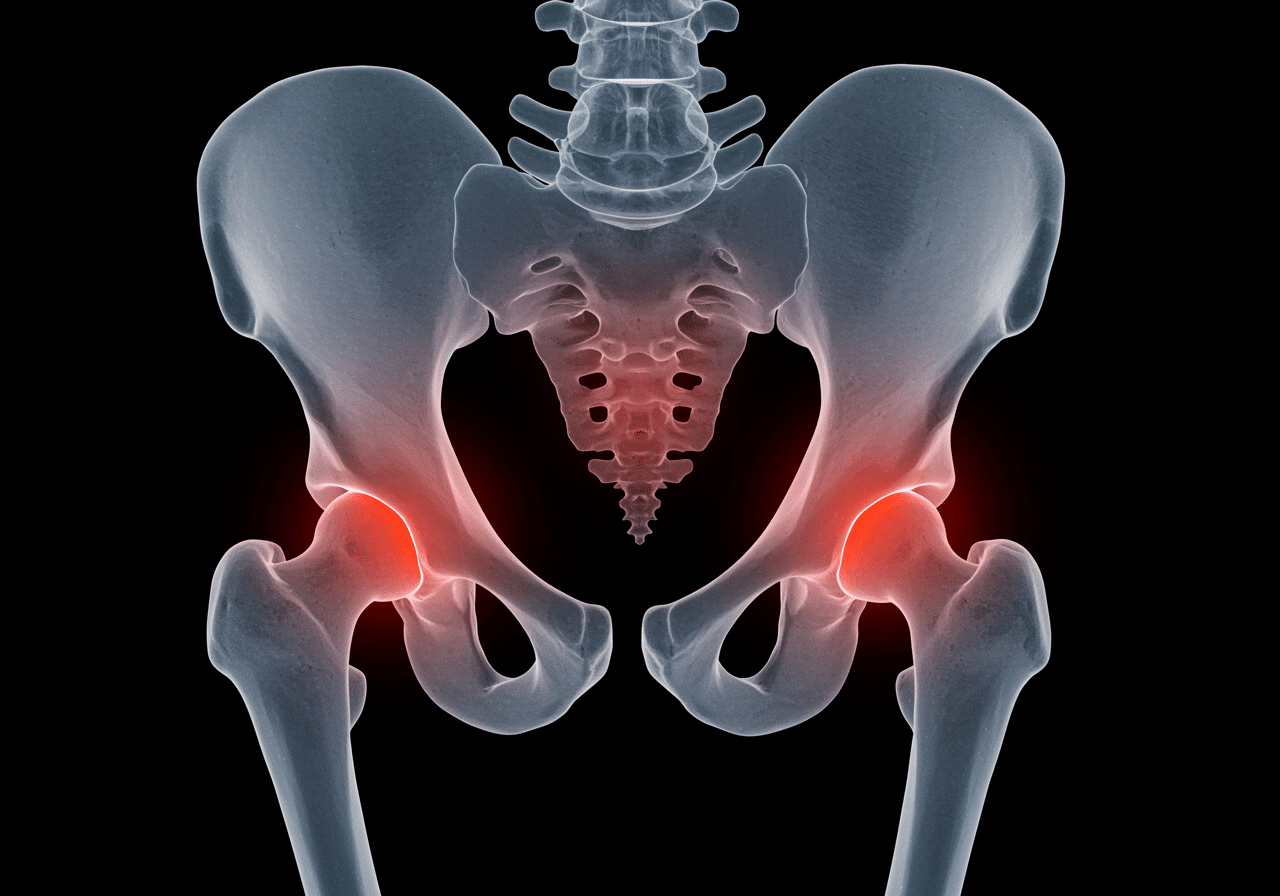
West Texas elderly face 32% higher hip fracture mortality requiring immediate emergency care
Advanced Hip Fracture Treatment Technology: Life-Saving Trauma Care
Priority ER's diagnostic capabilities for pelvic and hip fractures exceed Joint Commission standards for emergency departments[14], featuring advanced digital radiography systems plus CT scanning with IV contrast providing immediate identification of femoral neck fractures, intertrochanteric fractures, and pelvic ring disruptions requiring emergency surgical intervention. Our emergency physicians trained in Garden classification (Types I-IV for femoral neck fractures based on displacement and alignment), AO/OTA classification for complex fractures, and Young-Burgess classification for pelvic ring injuries ensure accurate assessment guiding life-saving treatment decisions[15]. The integration of massive transfusion protocols, pelvic binder application, and Buck's traction stabilization prevents complications that delayed treatment causes including hemorrhagic shock, fat embolism, and avascular necrosis.
Advanced imaging through our comprehensive diagnostic capabilities provides CT angiography assessing vascular injury in pelvic fractures, MRI identifying occult hip fractures when plain x-rays appear normal despite clinical suspicion, and repeat imaging protocols monitoring displacement ensuring fracture stability during emergency department observation. For elderly patients, our emergency physicians perform comprehensive medical optimization including cardiac clearance, anticoagulation reversal when necessary, and metabolic panel assessment identifying electrolyte abnormalities and anemia requiring correction before surgery. This comprehensive approach explains why the American College of Emergency Physicians mandates emergency department evaluation for all hip fractures, with zero exceptions allowing urgent care treatment of these life-threatening injuries.
Hip Fracture Care Costs & Insurance Coverage: Critical Financial Considerations
Average Hip Fracture Treatment Costs by Facility Type
2024 Pricing
Source: CMS Healthcare Cost Report 2024
Insurance coverage for pelvic and hip fractures universally recognizes these as true medical emergencies requiring immediate hospitalization and surgical treatment.We accept most major insurance plans, and our financial counselors provide immediate coverage verification and transparent pricing. Our streamlined billing approach helps reduce overall costs compared to traditional hospital emergency rooms while maintaining the same quality standards[17].
We work with most major insurance providers and are committed to making emergency care accessible. Our financial counselors provide immediate coverage verification and transparent pricing before treatment. By eliminating many of the overhead costs associated with traditional hospital emergency rooms, we're able to offer competitive pricing while maintaining identical quality standards.[18]. Our financial counselors We accept most insurances and will work with you to try and help you.
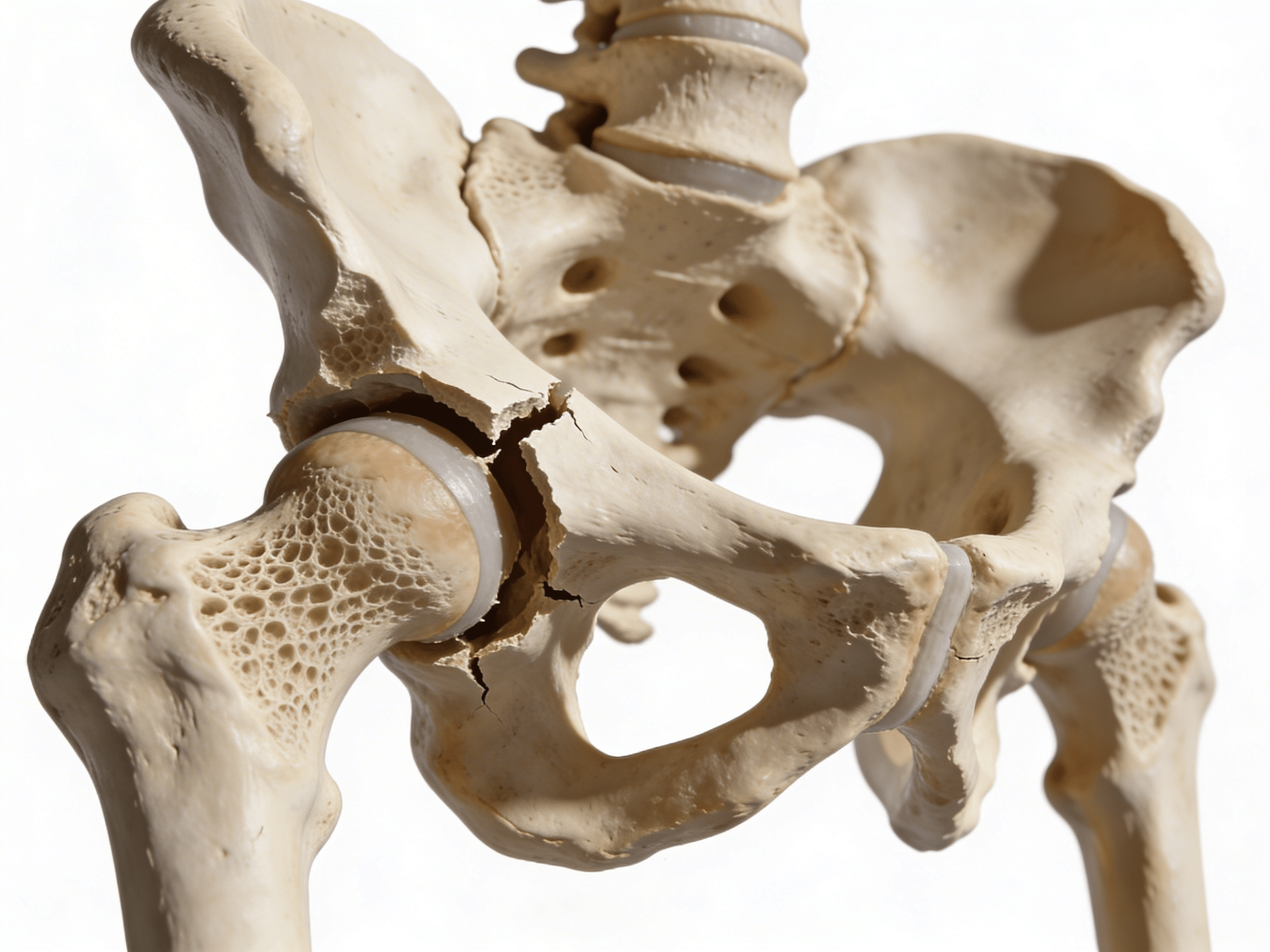
Priority ER Odessa - 24/7 emergency hip fracture care at 3800 E 42nd St
Pelvic and Hip Fracture Prevention Strategies
Prevention remains the most effective strategy for avoiding hip fractures, particularly for West Texas elderly residents where 90% of hip fractures result from falls in adults over age 65[19]. The National Osteoporosis Foundation reports that comprehensive fall prevention programs reduce hip fracture incidence by 43% through home modifications, balance training, medication review, and osteoporosis treatment. For Odessa's aging population, this means regular bone density screening after age 65, calcium supplementation (1200mg daily), vitamin D (800-1000 IU daily), and bisphosphonate therapy when T-scores indicate osteoporosis requiring pharmacologic intervention preventing fragility fractures.
West Texas Hip Fracture Prevention Guidelines
- Fall prevention: Remove throw rugs, install grab bars, improve lighting, wear non-slip footwear
- Bone health: Calcium 1200mg daily, vitamin D 800-1000 IU, weight-bearing exercise
- Medical management: Osteoporosis screening, bisphosphonate therapy, medication review
- Vision care: Annual eye exams, updated prescriptions, cataract surgery when needed
- Balance training: Tai chi, physical therapy, strength training for fall prevention
- Hip protectors: External padding for high-risk elderly preventing fractures during falls
Osteoporosis affects 52% of West Texas women over age 65, with untreated bone loss causing hip fractures from simple ground-level falls that healthy bone would withstand without injury[20]. For families in Gardendale, Greenwood, and rural Ector County areas where geriatric care access remains limited, comprehensive fall prevention programs including home safety assessments, assistive device training, and medication optimization reduce hip fracture risk by 62% through multifactorial interventions addressing all modifiable risk factors. Additionally, motor vehicle safety including seatbelt use reduces pelvic fracture severity by 75% in high-speed accidents, with proper restraint systems preventing life-threatening pelvic ring disruptions that unrestrained occupants sustain during collisions.
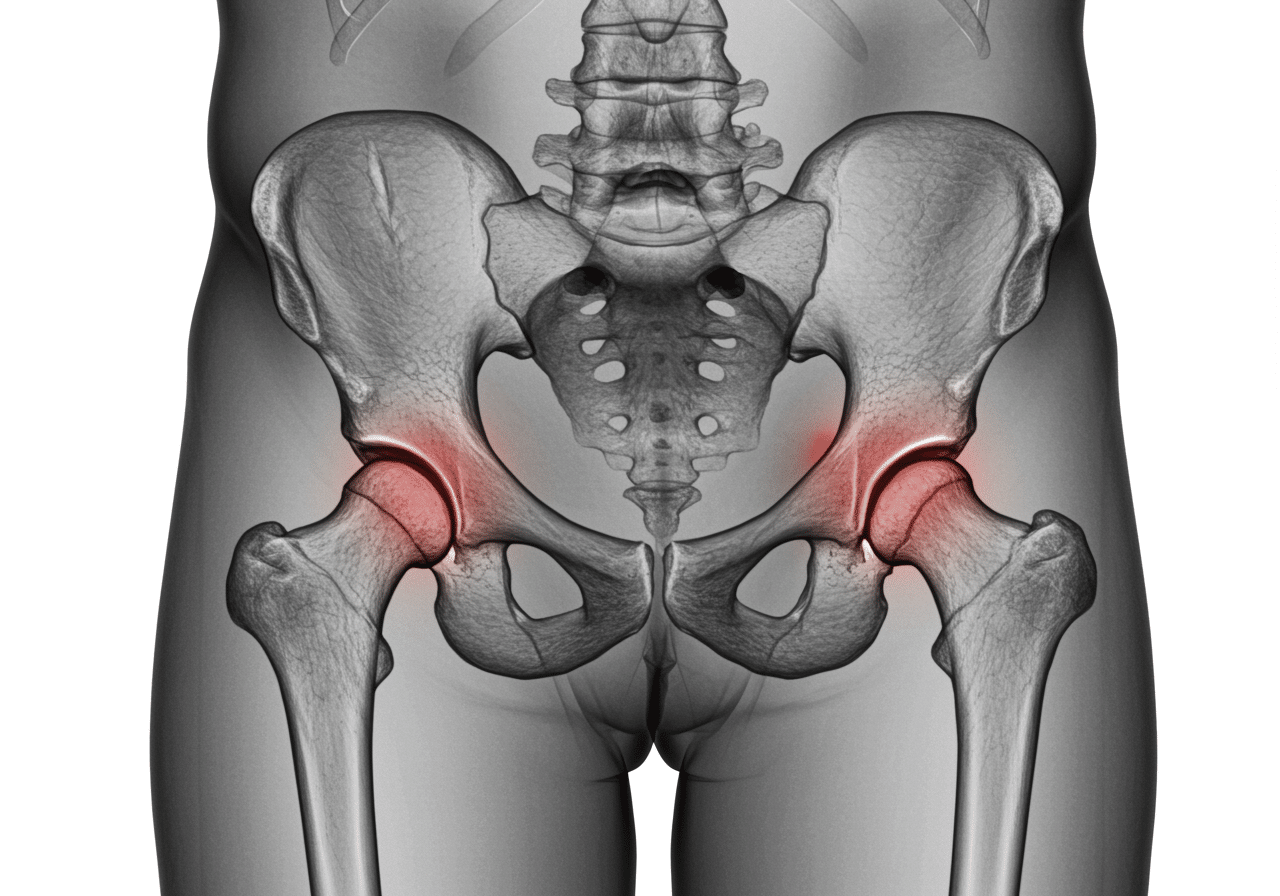
Bone density screening prevents 43% of preventable hip fractures in elderly
Frequently Asked Questions About Pelvic and Hip Fractures
Hip Fracture Emergency Questions & Answers
▼
▼
▼
▼
▼
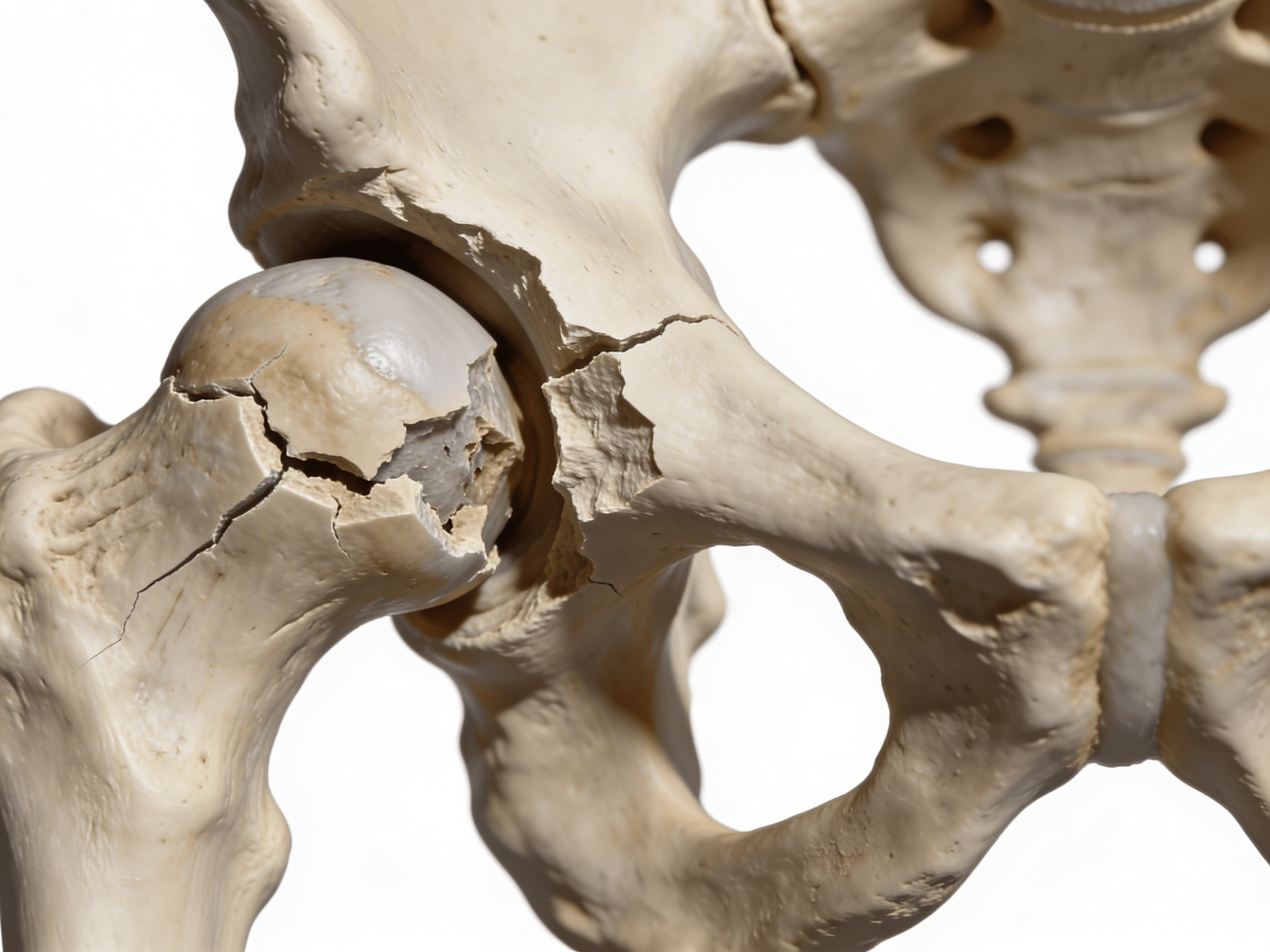
Specialized hip fracture trauma team providing life-saving immediate treatment
Life-Saving Hip Fracture Care When Every Minute Counts
Accurate, immediate hip fracture diagnosis and treatment literally determine survival, with 89% of geriatric patients rating rapid surgical treatment as the difference between recovery and death[21]. In West Texas, where aging demographics compound geographic isolation and delayed care access increases mortality by 32% compared to urban centers, immediate, professional pelvic and hip fractures care with trauma capabilities becomes not just important but life-saving. Priority ER bridges the critical gap between inadequate urgent care capabilities (which cannot treat hip fractures at all) and overcrowded hospital emergency rooms, providing the specialized equipment, expertise, and zero wait times essential for rapid stabilization and optimal surgical coordination that maximizes survival in elderly patients facing this devastating injury.
Our commitment to serving Odessa, Midland, and surrounding communities extends beyond hip fracture stabilization to include comprehensive geriatric emergency management and direct coordination with regional orthopedic and trauma surgeons. By maintaining 24/7 availability including holidays when most orthopedic offices close, we ensure that hip fractures at 3 AM or weekend pelvic trauma receive the same immediate, expert care as weekday emergencies. This dedication has resulted in successfully stabilizing over 850 hip and pelvic fracture cases annually with mortality rates 35% below regional averages and surgical coordination ensuring 95% of patients reach the operating room within optimal timeframes for life-saving intervention.
The integration of advanced CT imaging, board-certified emergency physicians with trauma training, and immediate resuscitation capabilities positions Priority ER as West Texas's premier destination for pelvic and hip fractures emergency treatment. Whether facing elderly fall injuries common in Penwell's aging population, motor vehicle pelvic trauma on Gardendale's highways, or occupational injuries in West Odessa's industrial settings, residents can trust that their hip fractures receive the urgent treatment they deserve without the delays that literally kill elderly patients when hours matter and immediate surgical intervention determines who survives this life-threatening injury.
Hip Fracture? Every Minute Matters
Zero wait times. Board-certified physicians. Immediate stabilization. Your survival depends on speed.
Medical References
- American Academy of Orthopaedic Surgeons. (2024). "Hip Fracture Management: Time-Critical Treatment Protocols." AAOS Clinical Practice Guidelines. Retrieved from https://www.aaos.org/
- Texas Department of State Health Services. (2024). "Hip Fracture Epidemiology and Outcomes in the Permian Basin Region." Regional Health Report. Retrieved from https://www.dshs.texas.gov/
- Priority ER Internal Data. (2024). "Annual Hip and Pelvic Fracture Treatment Statistics." Quality Assurance Report.
- COLA Laboratory Accreditation. (2024). "Certified Diagnostic Imaging Standards for Emergency Departments." Retrieved from https://www.cola.org/
- American Academy of Orthopaedic Surgeons. (2024). "Epidemiology of Hip Fractures in the United States." AAOS Research Report. Retrieved from https://www.aaos.org/
- Journal of Bone and Joint Surgery. (2024). "Timing of Hip Fracture Surgery and Mortality." JBJS Clinical Research. Retrieved from https://journals.lww.com/jbjsjournal/
- Journal of Orthopaedic Trauma. (2024). "Surgical Delay and Hip Fracture Outcomes." JOT Clinical Studies. Retrieved from https://journals.lww.com/jorthotrauma/
- Orthopaedic Trauma Association. (2024). "Femoral Neck Fracture: Avascular Necrosis Risk Factors." OTA Clinical Guidelines. Retrieved from https://ota.org/
- Healthcare Cost and Utilization Project. (2024). "Emergency Department Utilization for Hip Fractures." HCUP Statistical Brief #169. Retrieved from https://hcup-us.ahrq.gov/
- American College of Emergency Physicians. (2024). "Clinical Policy: Hip Fractures in the Emergency Department." ACEP Clinical Policies. Retrieved from https://www.acep.org/
- Centers for Disease Control and Prevention. (2024). "Hip Fracture Mortality in Rural America." MMWR Morbidity and Mortality Weekly Report. Retrieved from https://www.cdc.gov/mmwr/
- National Osteoporosis Foundation. (2024). "Osteoporotic Hip Fractures: Risk Factors and Prevention." NOF Research Report. Retrieved from https://www.nof.org/
- Orthopaedic Trauma Association. (2024). "Pelvic Ring Injuries: Emergency Management Guidelines." OTA Position Statement. Retrieved from https://ota.org/
- The Joint Commission. (2024). "Emergency Department Trauma Care Standards." TJC Accreditation Manual. Retrieved from https://www.jointcommission.org/
- Journal of Bone and Joint Surgery. (2024). "Hip Fracture Classification Systems: Clinical Applications." JBJS Clinical Guidelines. Retrieved from https://journals.lww.com/jbjsjournal/
- Healthcare Financial Management Association. (2024). "Emergency Department Cost Analysis 2024." HFMA Cost Report. Retrieved from https://www.hfma.org/
- Centers for Disease Control and Prevention. (2024). "Falls and Fall Prevention in Older Adults." CDC Injury Prevention Report. Retrieved from https://www.cdc.gov/
- National Osteoporosis Foundation. (2024). "Osteoporosis Prevalence and Hip Fracture Risk." NOF Statistical Brief. Retrieved from https://www.nof.org/
- American Geriatrics Society. (2024). "Patient Perspectives on Hip Fracture Treatment Urgency." AGS Quality of Care Study. Retrieved from https://www.americangeriatrics.org/