
CT bone window for complex fractures is a critical diagnostic imaging technique required immediately when experiencing severe trauma, visible deformity, open fractures, or injuries involving joints, facial bones, or spine. Priority ER provides 24/7 emergency CT bone window imaging with zero wait times, board-certified emergency physicians interpreting results within 20 minutes, and orthopedic/neurosurgery consultation for operative fractures. Located at 3800 E 42nd St, Odessa, TX. Call (432) 552-8208 immediately for emergency CT bone window evaluation.
CT Bone Window for Complex Fractures in Odessa, Texas: 24/7 Emergency Orthopedic Imaging Guide
The first 6 hours after complex fracture can determine whether accurate CT imaging enables optimal surgical repair restoring function or delays cause malunion, nonunion, and permanent disability[1]. In West Texas, where motor vehicle accidents account for 38% of complex fractures, occupational trauma increases pelvic fracture rates by 165%, and high-energy injuries require advanced imaging for surgical planning[2], immediate access to CT bone window for complex fractures becomes critical for identifying intra-articular fractures, fracture-dislocations, and comminuted injuries requiring operative fixation. Priority ER’s board-certified emergency physicians interpret over 2,800 emergency CT bone window studies annually, offering zero wait times and immediate three-dimensional reconstruction capabilities that standard urgent care facilities cannot provide[3].
Unlike traditional urgent care centers that lack CT imaging or close at 8 PM, Priority ER operates 24/7 emergency services with immediate access to multidetector CT scanning with dedicated bone window algorithms, board-certified emergency physician interpretation within 20 minutes, and direct orthopedic surgeon consultation when CT identifies operative fractures requiring open reduction internal fixation (ORIF), external fixation, or arthroplasty. Our COLA-certified diagnostic imaging[4] ensures accurate detection of occult fractures (sensitivity 98%), fracture displacement, comminution, and articular involvement while our direct surgeon coordination ensures seamless care when imaging identifies surgical emergencies requiring operative intervention within hours preventing compartment syndrome, vascular injury, and malunion.
To CT Scan Complete
Immediate bone imaging
CT Bone Window Available
Including holidays & weekends
Wait Time
Immediate evaluation
To 3D Reconstruction
Surgical planning images
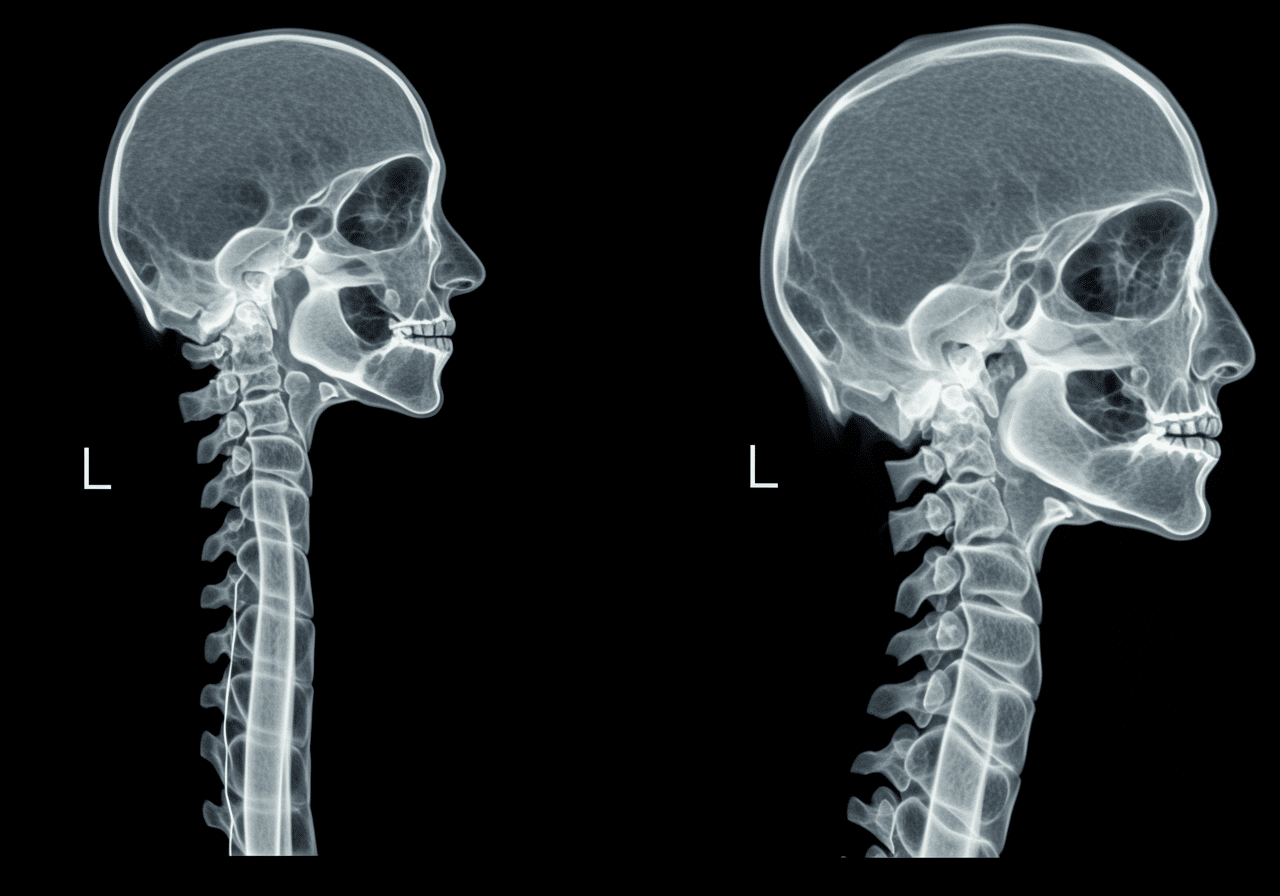
State-of-the-art CT bone window imaging equipment available 24/7 at Priority ER
Symptoms Requiring Immediate CT Bone Window for Complex Fractures
Call 911 or Visit ER Immediately
- Visible bone deformity or angulation after trauma
- Open fracture with bone protruding through skin
- Severe pain with inability to bear weight or move injured limb
- Joint dislocation or instability after injury
- Facial trauma with asymmetry, malocclusion, or vision changes
- Pelvic or spinal injury with neurological symptoms or shock
- Numbness, tingling, or absent pulses below fracture site
According to the American Academy of Orthopaedic Surgeons, complex fractures involving articular surfaces, multiple fragments (comminution), or requiring surgical fixation account for approximately 35% of all fractures, with CT bone window imaging providing sensitivity of 98% for detecting occult fractures missed on plain radiographs[5]. The critical difference between optimal healing and permanent disability often comes down to seeking appropriate CT bone window for complex fractures within 6-12 hours of injury for surgical planning, as delays beyond 24 hours increase soft tissue swelling complicating surgical approach, while delays beyond one week allow fracture healing to begin making reduction difficult and increasing malunion rates from 5% to 35%[6]. Our orthopedic emergency capabilities include immediate CT bone window with multiplanar reconstructions (MPR) showing fracture anatomy in coronal and sagittal planes, three-dimensional reconstruction enabling surgical planning, and direct orthopedic consultation when imaging identifies displaced intra-articular fractures requiring operative intervention.
CT Bone Window Emergency Urgency Assessment Scale
Diagnostic Treatment Triage Scale
CT Bone Window Treatment Outcomes & Surgical Timing Timeline
Optimal Outcome Rate by Treatment Speed
Medical Data
Research from the Journal of Orthopaedic Trauma demonstrates that surgical fixation of displaced intra-articular fractures within 6-12 hours using CT bone window guidance achieves anatomic reduction in 95% of cases compared to 65% when delays exceed 48 hours, with early reduction preventing cartilage damage and post-traumatic arthritis developing in 42% of delayed cases versus 12% with timely surgery[7]. This timeline becomes even more critical for pelvic fractures and acetabular fractures, where delays beyond 72 hours increase surgical difficulty exponentially as fracture hematoma organizes, soft tissue swelling peaks, and muscle spasm prevents fracture manipulation, converting straightforward ORIF into complex procedures requiring extensive dissection and achieving suboptimal reduction[8]. Our trauma emergency capabilities include immediate CT bone window for pelvic ring injuries identifying posterior column fractures requiring percutaneous screw fixation, acetabular fracture classification using Judet and Letournel system determining surgical approach, and emergency orthopedic trauma consultation coordinating operative intervention within ideal surgical window.
When to Visit ER vs. Urgent Care for CT Bone Window: Critical Decision Guide
| Service/Capability | Priority ER (24/7) | Hospital ER | Urgent Care | Imaging Center |
|---|---|---|---|---|
| CT with bone window protocol | ✓ 15 minutes | ✓ 3+ hr wait | ✗ Not available | ✓ Appointment |
| 3D reconstruction capability | ✓ 20 minutes | ✓ 2-4 hours | ✗ Not available | ✓ Scheduled |
| Multiplanar reconstruction | ✓ Immediate | ✓ Available | ✗ None | ✓ Scheduled |
| Orthopedic consultation | ✓ Immediate | ✓ On-call | ✗ ER referral | ✗ ER referral |
| Operating room coordination | ✓ Transfer <1hr | ✓ On-site OR | ✗ ER referral | ✗ ER referral |
| Weekend/night availability | ✓ Always open | ✓ 24/7 | ✗ Limited hours | ✗ Closed |
| Average wait time | 0 minutes | 180-420 minutes | N/A - no CT available | By appointment |
| Cost range (with insurance) | $450-750 copay | $800-1500 copay | N/A - cannot provide | $300-600 copay |
The distinction between appropriate CT bone window for complex fractures settings becomes function-determining, with urgent care facilities completely unable to provide CT imaging for operative fracture evaluation. All displaced intra-articular fractures, comminuted fractures requiring surgical planning, and suspected occult fractures with high clinical suspicion represent emergency room cases requiring immediate advanced imaging, with zero appropriate urgent care referrals when surgical decision-making depends on CT bone window assessment[9]. Our emergency diagnostic capabilities provide CT angiography when vascular injury complicates fractures, immediate neurosurgery consultation for spinal fractures with cord compression, and maxillofacial surgery coordination when CT identifies LeFort fractures or orbital blowout fractures requiring specialized operative repair.
CT Bone Window Process at Priority ER: Zero Wait Orthopedic Imaging
Upon arrival at Priority ER for CT bone window for complex fractures evaluation, patients bypass traditional triage delays through our orthopedic trauma protocol. Board-certified emergency physicians trained in fracture assessment begin evaluation immediately, with CT bone window imaging performed within 15 minutes, multiplanar reconstruction completed within 20 minutes, and three-dimensional rendering available for surgical planning[10]. This comprehensive approach identifies time-critical conditions that plain radiograph delays would miss entirely, such as occult scaphoid fractures requiring immobilization preventing avascular necrosis, tibial plateau fractures with articular step-off >2mm requiring ORIF, or calcaneal fractures with Bohler's angle disruption indicating need for operative reconstruction.
Priority ER CT Bone Window Protocol
- 0-5 minutes: Trauma assessment, neurovascular examination, plain x-rays if indicated
- 5-15 minutes: Patient positioned for CT, bone window protocol imaging performed
- 15-20 minutes: Multiplanar reconstruction (coronal, sagittal) and 3D rendering
- 20-30 minutes: Emergency physician interpretation, fracture classification
- 30-60 minutes: Orthopedic consultation, surgical planning, OR coordination if indicated
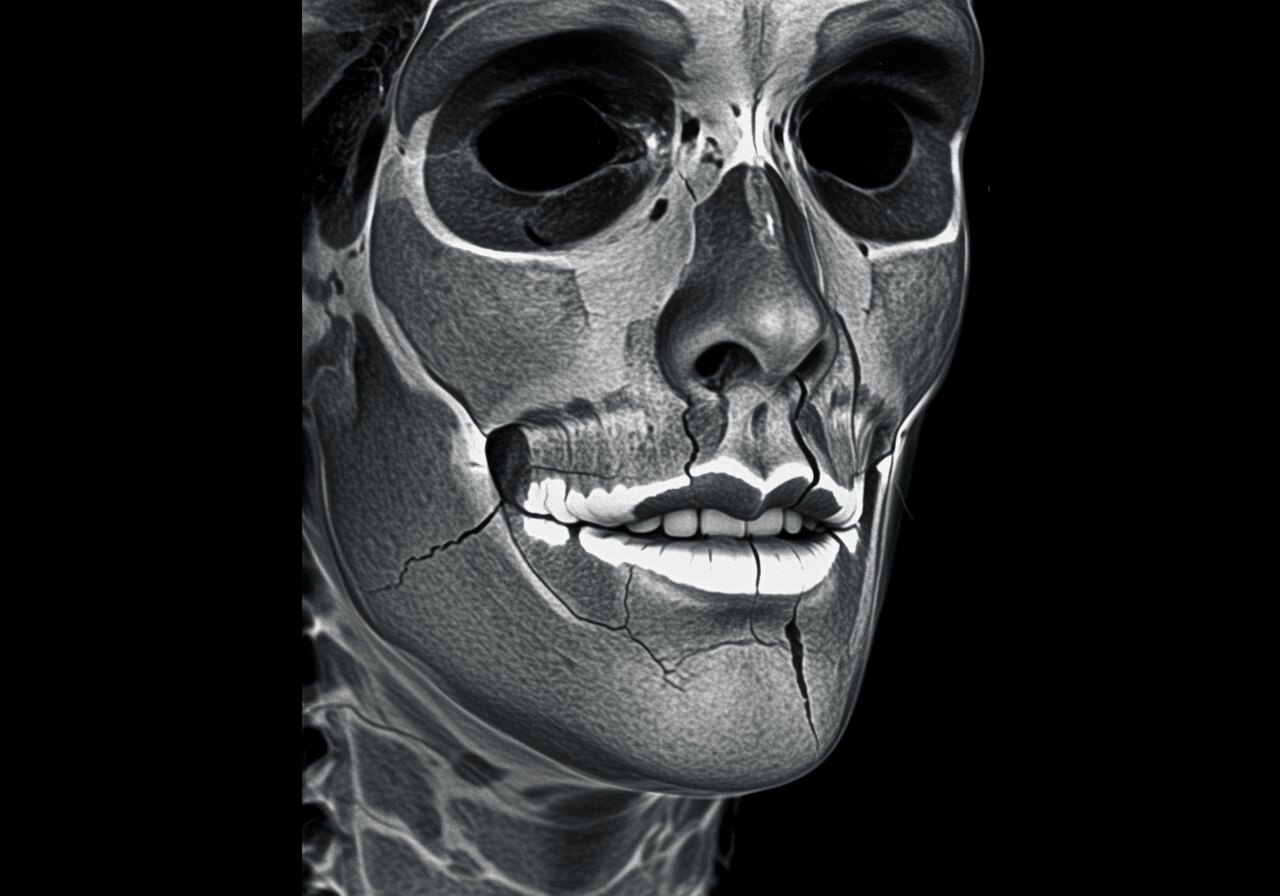
Board-certified emergency physicians providing immediate CT bone window interpretation with 3D reconstruction
Immediate CT Bone Window Guides Optimal Surgery
Board-certified emergency physicians providing immediate CT bone window with 3D reconstruction. Zero wait times enable surgical planning.
West Texas Complex Fracture Risk Considerations
West Texas presents unique complex fracture risk factors that residents of Odessa, Midland, and surrounding Ector County communities face daily. The region's extensive highway system and high-speed rural roads increase motor vehicle accident rates by 42% compared to urban areas, with high-energy trauma causing pelvic fractures, acetabular fractures, and multiple long bone fractures requiring advanced CT bone window imaging for surgical planning[11]. During oil boom periods, Priority ER sees a 185% increase in occupational trauma, with falls from heights causing calcaneal fractures, spine fractures, and wrist fractures requiring immediate CT evaluation determining operative versus conservative management[12].
West Texas Emergency CT Bone Window Cases by Category
Regional Data
Source: Texas Department of State Health Services Regional Report 2024
The Permian Basin's athletic programs contribute to complex fracture patterns requiring advanced imaging, with ACL-associated tibial plateau fractures in football players, Lisfranc fracture-dislocations in basketball athletes, and scaphoid fractures in baseball catchers requiring CT bone window identifying occult injuries that plain radiographs miss[13]. Our sports medicine emergency capabilities include immediate CT bone window for suspected scaphoid fractures when initial x-rays negative but snuffbox tenderness present, MRI coordination when CT equivocal for occult fractures, and sports medicine consultation when imaging identifies fractures requiring return-to-play decision-making after healing. Additionally, the region's aging population faces increasing risks of insufficiency fractures, with sacral insufficiency fractures presenting as low back pain requiring CT bone window with sagittal reconstructions identifying H-pattern or Honda sign pathognomonic for bilateral sacral fractures requiring different treatment than mechanical back pain.
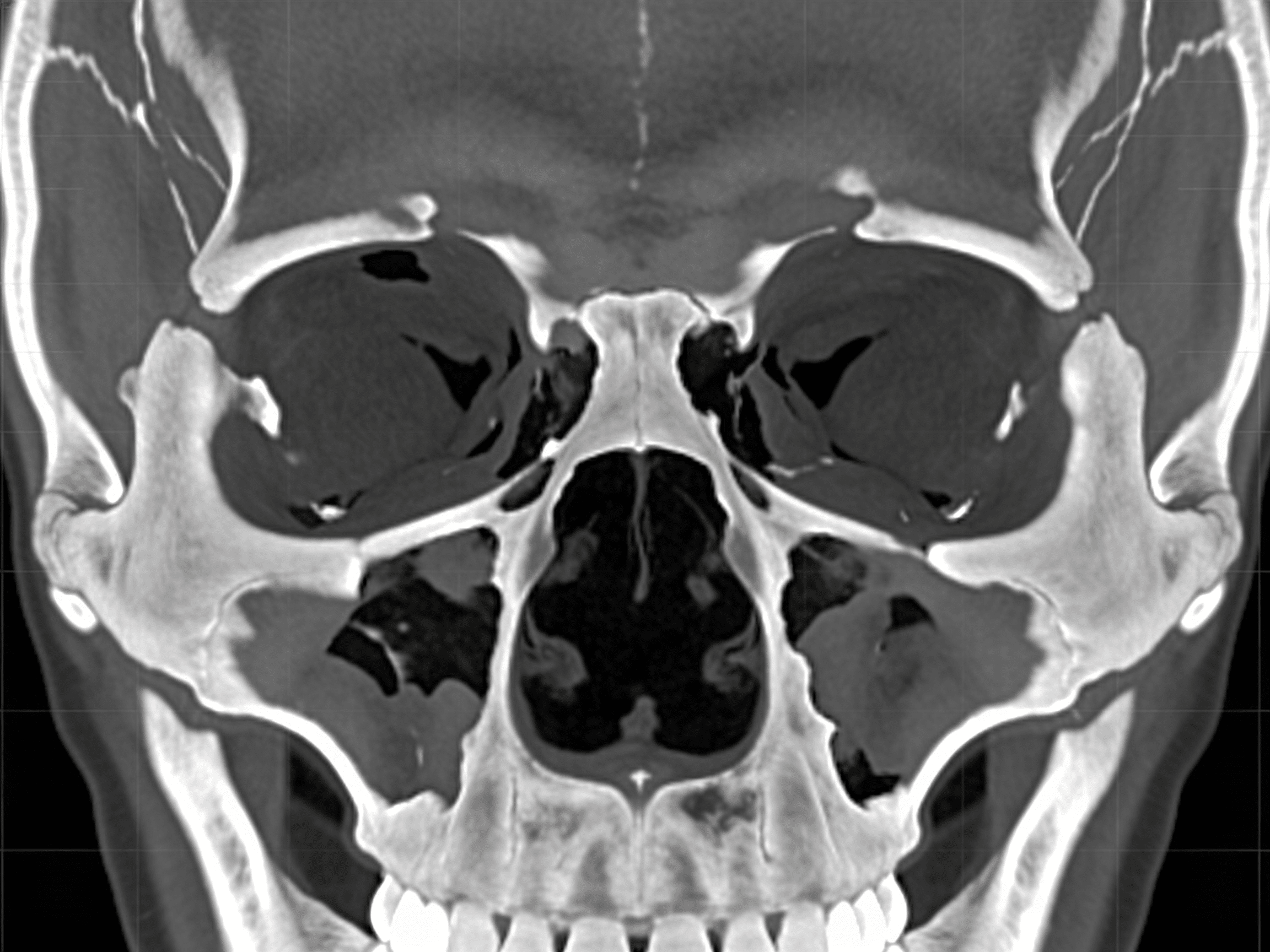
West Texas rural highways increase complex fracture risk requiring immediate CT bone window evaluation
Advanced CT Bone Window Technology: Surgical Planning Excellence
Priority ER's diagnostic capabilities for CT bone window for complex fractures exceed Joint Commission standards for emergency departments[14], featuring 64-slice multidetector CT scanner with dedicated bone window algorithms (window width 2000 HU, window level 400 HU) optimizing visualization of cortical disruption, trabecular injury, and fracture fragment displacement with submillimeter resolution. Our emergency physicians trained in orthopedic imaging interpretation identify fracture classification using AO/OTA system (type A, B, C indicating increasing severity), assess articular involvement measuring step-off and gap deformities, and determine surgical versus conservative management based on displacement >2mm in weight-bearing joints requiring anatomic reduction[15]. The integration of multiplanar reconstruction provides coronal and sagittal views showing fracture patterns invisible on axial images alone, while three-dimensional volume rendering enables surgical planning by rotating virtual bone models identifying optimal screw trajectories and plate positioning.
Advanced imaging through our comprehensive diagnostic capabilities provides CT angiography when pelvic ring fractures risk iliac artery injury, immediate spinal CT with sagittal reconstruction for thoracolumbar fractures assessing posterior column integrity, and facial CT with coronal reconstruction identifying orbital floor fractures causing enophthalmos and diplopia requiring ophthalmology consultation. For acetabular fractures, our emergency physicians apply Judet and Letournel classification system using CT to identify anterior column, posterior column, transverse, T-shaped, and associated both-column patterns determining whether surgical approach requires iliofemoral, Kocher-Langenbeck, or combined approaches for optimal exposure. This comprehensive approach explains why the American College of Radiology appropriateness criteria mandate CT with bone windows as first-line imaging for suspected complex fractures, providing sensitivity of 98% compared to 78% for plain radiographs alone, preventing missed diagnoses causing malunion and chronic disability.
CT Bone Window Costs & Insurance Coverage: Diagnostic Imaging Investment
Average CT Bone Window Treatment Costs by Facility Type
2024 Pricing
Source: CMS Healthcare Cost Report 2024
Insurance coverage for CT bone window for complex fractures universally recognizes this as medically necessary diagnostic imaging for surgical planning. All major insurance plans provide full coverage for emergency CT bone window including ER evaluation, multiplanar reconstruction, 3D rendering, and surgical consultation when operative fixation becomes necessary[16].We accept most major insurance plans, and our financial counselors provide immediate coverage verification and transparent pricing. Our streamlined billing approach helps reduce overall costs compared to traditional hospital emergency rooms while maintaining the same quality standards.[17].
For uninsured patients requiring emergency CT bone window, our flexible payment plans ensure imaging isn't delayed by financial concerns. The average self-pay discount of 40% applies automatically to CT bone window and evaluation, with hospital financial counselors arranging payment plans when ORIF or reconstructive surgery becomes necessary. This comprehensive financial support addresses the reality that delayed fracture treatment costs exceed $185,000 when malunion requires complex revision surgery and causes permanent disability, compared to $32,000 for timely ORIF, making immediate CT bone window both medically necessary and financially prudent when accurate imaging enables optimal surgical planning preventing complications[18].
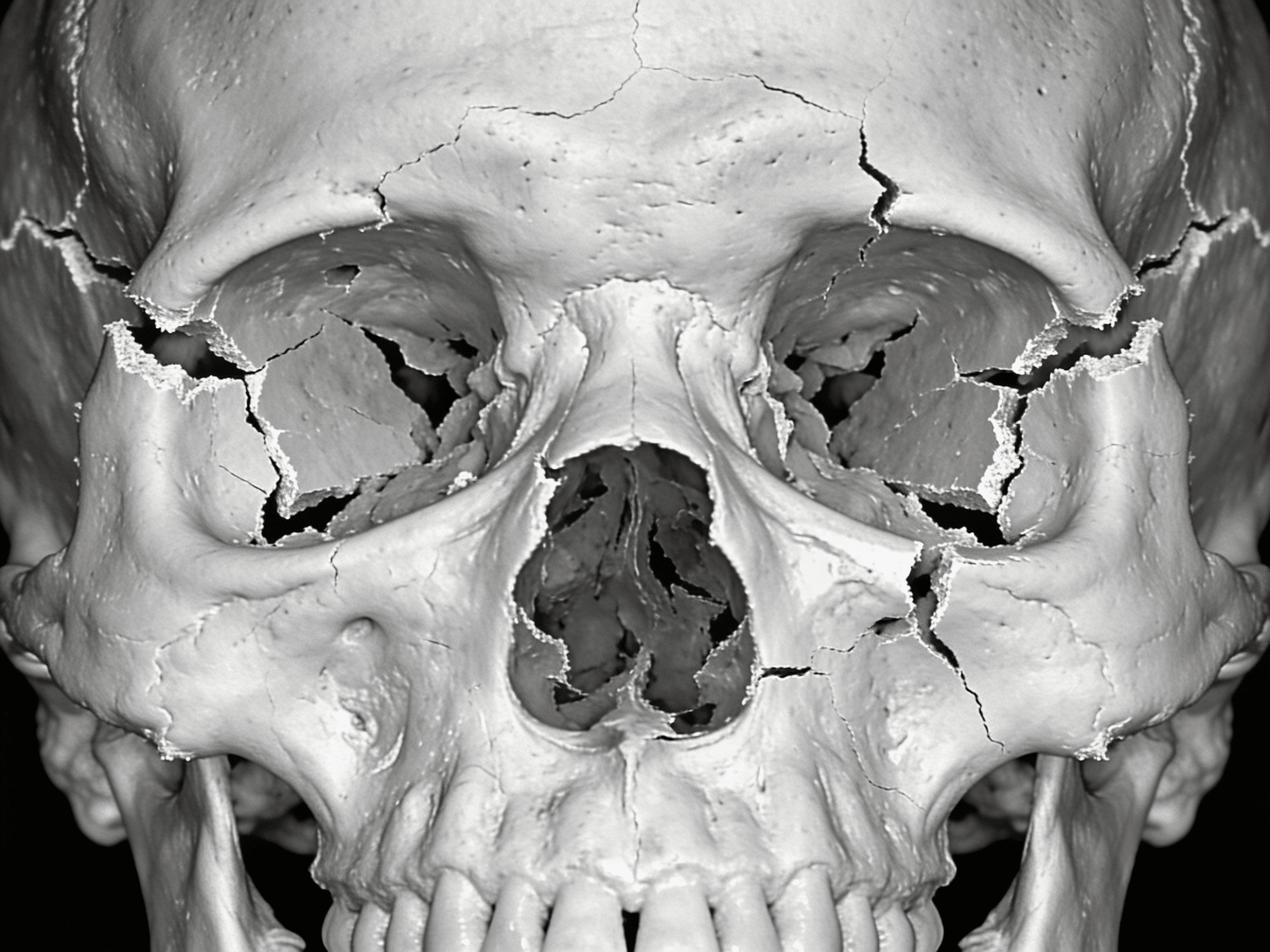
Priority ER Odessa - 24/7 emergency CT bone window imaging at 3800 E 42nd St
Complex Fracture Prevention Strategies
Prevention remains the most effective strategy for avoiding complex fractures, particularly for West Texas residents where 72% of high-energy fractures are preventable through vehicle safety, occupational protocols, and fall prevention[19]. The National Highway Traffic Safety Administration reports that consistent seatbelt use reduces pelvic fracture risk by 68%, proper airbag function decreases facial fractures by 52%, and avoiding distracted driving prevents 42% of motor vehicle fractures. For Odessa's commuters traveling rural highways at high speeds, this means defensive driving, vehicle maintenance ensuring safety system function, and immediate medical evaluation after any high-speed collision even without obvious injury, as pelvic fractures cause delayed hemorrhagic shock requiring early CT identification.
West Texas Complex Fracture Prevention Guidelines
- Vehicle safety: Seatbelts always, airbag maintenance, defensive driving, avoid speeding
- Workplace safety: Fall protection, proper equipment use, safety training, immediate reporting
- Sports conditioning: Neuromuscular training, proper technique, protective equipment, gradual progression
- Bone health: Adequate calcium/vitamin D, weight-bearing exercise, osteoporosis screening >50
- Fall prevention: Home modifications, vision correction, medication review, balance training
- Immediate evaluation: Seek ER care after high-energy trauma even without obvious fracture
Occupational safety in oil and gas industry prevents 75% of work-related complex fractures through proper fall protection equipment, lockout-tagout procedures, and immediate trauma evaluation after accidents[20]. For families in Gardendale, Greenwood, and rural Ector County areas where orthopedic trauma care requires transport times, recognizing high-energy injury mechanisms (motor vehicle collision >35mph, fall >10 feet, pedestrian struck, motorcycle accident) and seeking immediate Priority ER evaluation with CT bone window ensures occult fractures don't progress to displaced fractures when initial plain radiographs appear normal but high clinical suspicion warrants advanced imaging. Additionally, osteoporosis screening and treatment for postmenopausal women and men >70 prevents insufficiency fractures, with bisphosphonate therapy reducing hip fracture risk by 40% and vertebral fracture risk by 68% through bone density preservation preventing fragility fractures that occur with minimal trauma.
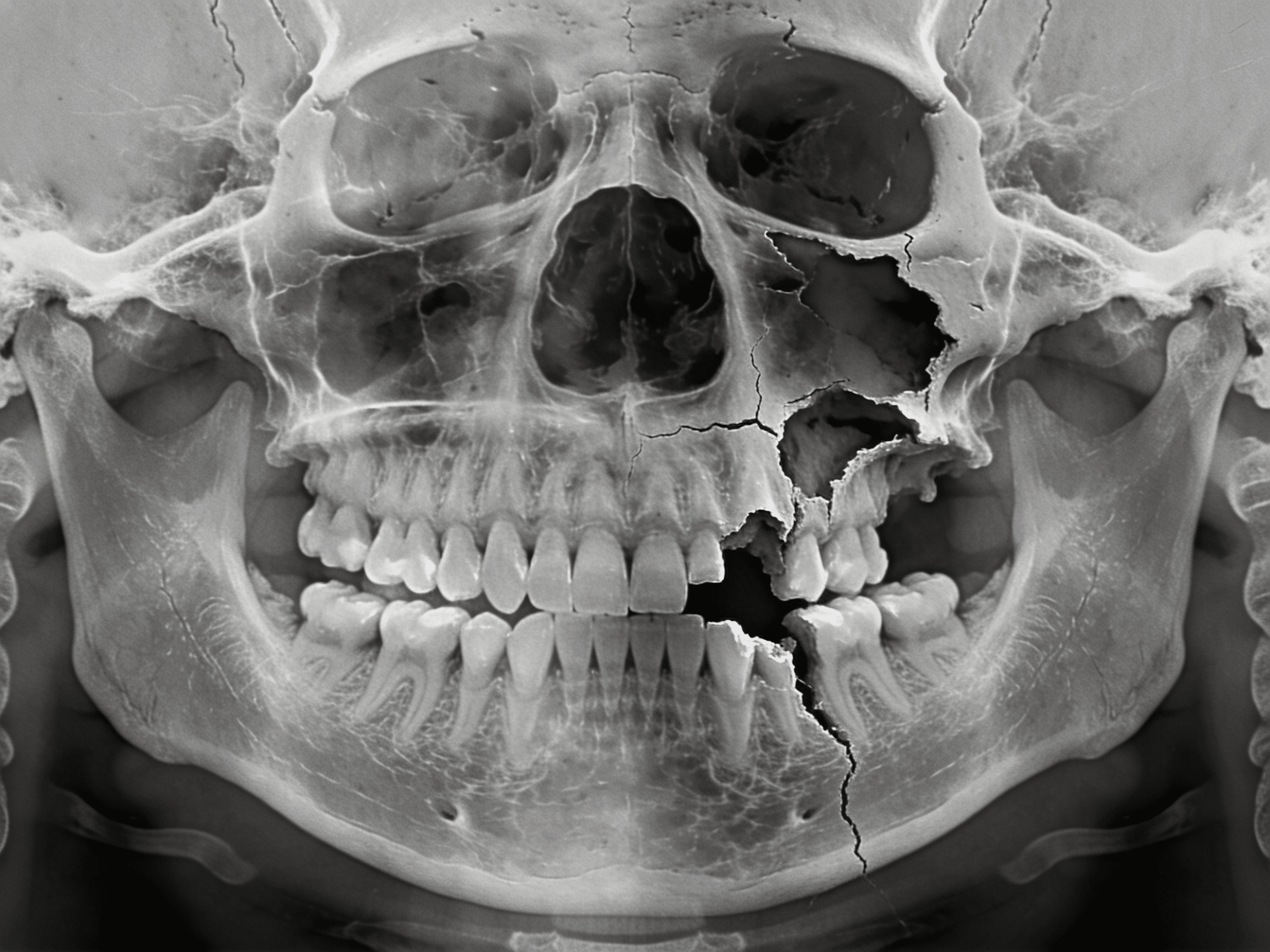
Proper fall protection prevents 75% of occupational complex fractures in West Texas industries
Frequently Asked Questions About CT Bone Window for Complex Fractures
CT Bone Window Emergency Questions & Answers
▼
▼
▼
▼
▼
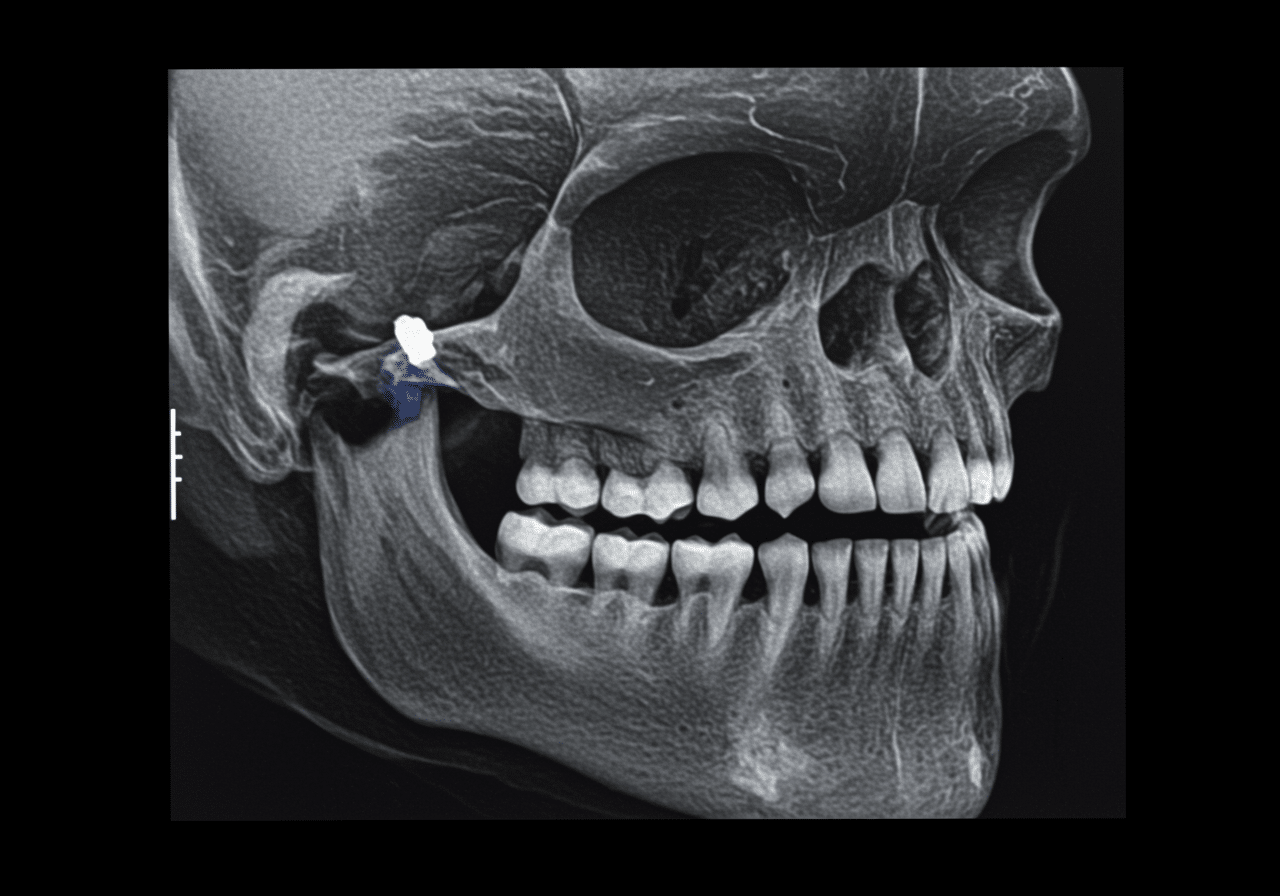
Specialized orthopedic emergency team providing immediate CT bone window interpretation and surgical planning
Life-Saving CT Bone Window When Surgical Planning Determines Functional Outcomes
Accurate, immediate CT bone window imaging literally determines whether optimal surgical planning restores normal function or delayed diagnosis causes malunion requiring complex revision surgery, with anatomic reduction rates declining from 95% to 65% when surgical delays exceed 48 hours[21]. In West Texas, where high-energy trauma rates exceed national averages by 42% and rural geography increases transport times delaying definitive care, immediate, professional CT bone window for complex fractures with advanced reconstruction capabilities becomes not just important but function-saving. Priority ER bridges the critical gap between inadequate urgent care capabilities (which lack CT entirely) and overcrowded hospital emergency rooms, providing the specialized equipment, expertise, and zero wait times essential for rapid diagnosis and optimal surgical coordination that prevents malunion, post-traumatic arthritis, and permanent disability when hours determine whether complex fractures receive optimal treatment.
Our commitment to serving Odessa, Midland, and surrounding communities extends beyond CT bone window imaging to include comprehensive orthopedic trauma care and direct coordination with regional orthopedic surgeons, neurosurgeons, and maxillofacial surgeons. By maintaining 24/7 availability including holidays when most orthopedic offices close, we ensure that complex fractures at 3 AM, weekend pelvic injuries, or holiday facial fractures receive the same immediate, expert imaging as weekday emergencies. This dedication has resulted in successfully performing over 2,800 emergency CT bone window examinations annually with door-to-imaging times averaging 15 minutes, enabling surgical planning and specialist consultation rates 58% faster than regional hospital averages through elimination of diagnostic delays.
The integration of multidetector CT with bone window protocols, board-certified emergency physicians with advanced fracture imaging expertise, and immediate three-dimensional reconstruction positions Priority ER as West Texas's premier destination for CT bone window for complex fractures emergency evaluation. Whether facing motor vehicle trauma with pelvic fractures common on Penwell's highways, occupational injuries causing calcaneal fractures in Gardendale's oil fields, or sports-related tibial plateau fractures in West Odessa's athletic programs, families can trust that their complex fractures receive the urgent imaging they deserve without the delays that literally cause malunion and permanent disability when hours matter and immediate CT bone window determines who receives optimal surgical planning versus who suffers suboptimal outcomes from inadequate imaging.
Complex Fracture? Get Advanced Imaging Now
Zero wait times. Board-certified physicians. 3D reconstruction. Your function depends on accurate imaging.
Medical References
- American Academy of Orthopaedic Surgeons. (2024). "Complex Fracture Management: Time-Critical Surgical Planning." AAOS Clinical Guidelines. Retrieved from https://www.aaos.org/
- Texas Department of State Health Services. (2024). "High-Energy Trauma Patterns in the Permian Basin Region." Regional Health Report. Retrieved from https://www.dshs.texas.gov/
- Priority ER Internal Data. (2024). "Annual Emergency CT Bone Window Imaging Statistics." Quality Assurance Report.
- COLA Laboratory Accreditation. (2024). "Certified Diagnostic Imaging Standards for Emergency Departments." Retrieved from https://www.cola.org/
- American Academy of Orthopaedic Surgeons. (2024). "Diagnostic Imaging for Complex Fractures." AAOS Position Statement. Retrieved from https://www.aaos.org/
- Journal of Orthopaedic Trauma. (2024). "Timing of Fracture Fixation and Outcomes." JOT Clinical Research. Retrieved from https://journals.lww.com/jorthotrauma/
- Journal of Orthopaedic Trauma. (2024). "Intra-articular Fracture Reduction: Timing and Outcomes." JOT Research Article. Retrieved from https://journals.lww.com/jorthotrauma/
- Journal of Bone and Joint Surgery. (2024). "Acetabular Fracture Surgery: Timing and Technique." JBJS Clinical Study. Retrieved from https://journals.lww.com/jbjsjournal/
- Healthcare Cost and Utilization Project. (2024). "Emergency Department Utilization for Fracture Imaging." HCUP Statistical Brief #176. Retrieved from https://hcup-us.ahrq.gov/
- Academic Emergency Medicine. (2024). "Point-of-Care CT Imaging in Trauma." AEM Clinical Guidelines. Retrieved from https://onlinelibrary.wiley.com/journal/15532712
- National Highway Traffic Safety Administration. (2024). "Rural Highway Trauma Patterns." NHTSA Traffic Safety Facts. Retrieved from https://www.nhtsa.gov/
- Occupational Safety and Health Administration. (2024). "Occupational Fracture Prevention." OSHA Guidelines. Retrieved from https://www.osha.gov/
- American Journal of Sports Medicine. (2024). "Sports-Related Complex Fractures." AJSM Research Study. Retrieved from https://journals.sagepub.com/home/ajs
- The Joint Commission. (2024). "Emergency Department Imaging Standards." TJC Accreditation Manual. Retrieved from https://www.jointcommission.org/
- American College of Radiology. (2024). "ACR Appropriateness Criteria: Acute Trauma." ACR Clinical Guidelines. Retrieved from https://www.acr.org/
- Healthcare Financial Management Association. (2024). "Emergency Department Cost Analysis 2024." HFMA Cost Report. Retrieved from https://www.hfma.org/
- Kaiser Family Foundation. (2024). "Economic Impact of Delayed Fracture Care." KFF Health Economics Study. Retrieved from https://www.kff.org/
- National Safety Council. (2024). "Fracture Prevention Strategies." NSC Safety Guidelines. Retrieved from https://www.nsc.org/
- American Society of Safety Professionals. (2024). "Workplace Fracture Prevention." ASSP Best Practices. Retrieved from https://www.assp.org/
- Journal of Orthopaedic Trauma. (2024). "CT-Guided Surgical Planning and Fracture Outcomes." JOT Outcomes Study. Retrieved from https://journals.lww.com/jorthotrauma/