
Table of Contents
Eye Urgent Care in Odessa, Texas – Priority ER 24/7
When experiencing sudden eye pain, vision loss, or eye injury, immediate eye urgent care can mean the difference between temporary discomfort and permanent vision damage. At Priority ER in Odessa, Texas, our board-certified emergency physicians and specialized equipment provide comprehensive emergency eye treatment 24 hours a day, ensuring West Texas residents receive immediate care when every minute counts for preserving vision.
Located at 3800 E 42nd St, Suite 105, our emergency room care facility serves Odessa, West Odessa, Midland, Gardendale, and surrounding Ector County communities with advanced diagnostic imaging and treatment capabilities specifically designed for ocular emergencies. Unlike standard urgent care centers that may lack specialized eye examination equipment, Priority ER maintains comprehensive ophthalmologic diagnostic tools to properly evaluate and treat serious eye conditions.
Eye emergencies require immediate evaluation because many conditions that threaten vision progress rapidly. What seems like minor irritation could indicate corneal damage or infection that needs urgent treatment to prevent permanent complications.
Understanding Eye Emergencies in West Texas
Eye emergencies encompass a wide range of conditions requiring immediate medical attention to prevent vision loss or permanent damage. In the Permian Basin’s unique environment, residents face specific ocular risks from industrial hazards, desert conditions, and outdoor activities that make access to 24/7 emergency eye care essential.
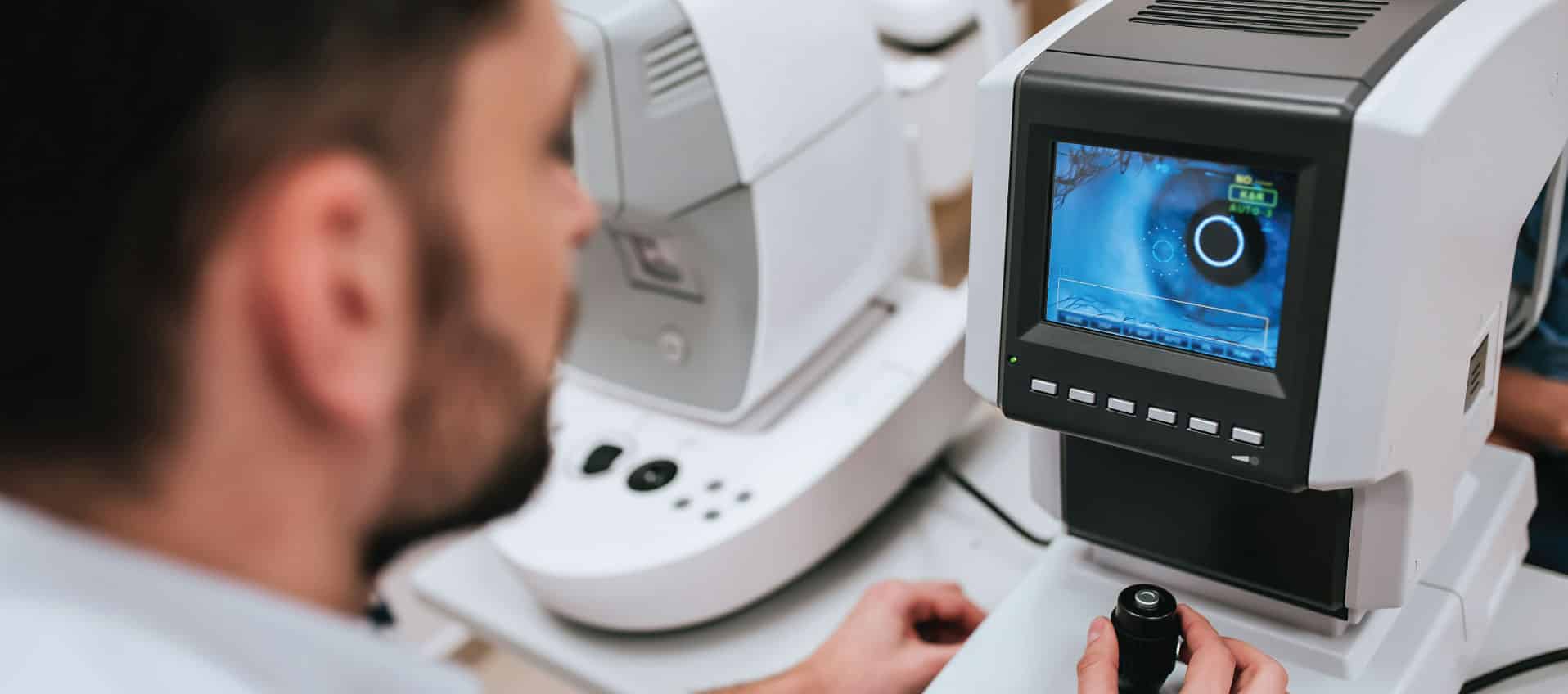
Our emergency diagnostic imaging capabilities include specialized ophthalmologic equipment rarely found in standard urgent care facilities. This advanced technology enables our emergency physicians to quickly identify foreign bodies, assess corneal damage, and evaluate internal eye structures for comprehensive treatment planning.
Common Eye Injuries Requiring Urgent Care
The most frequent eye emergencies we treat at Priority ER include corneal abrasions, foreign body injuries, and chemical exposures. Each condition requires specific diagnostic approaches and treatment protocols to ensure optimal outcomes and prevent complications.
A patient arrived at 2 AM with severe eye pain after grinding metal without protective eyewear. Our immediate evaluation revealed multiple metallic foreign bodies embedded in the cornea. Using specialized removal techniques and antibiotic treatment, we prevented infection and preserved his vision completely.
A patient arrived at 2 AM with severe eye pain after grinding metal without protective eyewear. Our immediate evaluation revealed multiple metallic foreign bodies embedded in the cornea. Using specialized removal techniques and antibiotic treatment, we prevented infection and preserved his vision completely.
Foreign Body Removal Procedures
Metal shavings, wood splinters, and sand particles represent the most common foreign bodies requiring emergency removal. Our emergency physicians utilize specialized magnification equipment and sterile instruments to safely extract embedded materials while minimizing corneal trauma.
Following foreign body removal, we apply antibiotic ointments and provide protective eye patches when necessary. Patients receive detailed aftercare instructions and prescriptions for continued treatment at home, with recommendations for follow-up care with ophthalmologists when specialized evaluation is needed.
Post-Removal Care Protocols
After successful foreign body extraction, preventing infection becomes the primary concern. Our treatment protocols include prophylactic antibiotic drops, pain management strategies, and clear instructions for monitoring healing progress during the critical 48-72 hour period following injury.
Chemical and Environmental Eye Hazards
Chemical burns to the eye constitute true medical emergencies requiring immediate irrigation and specialized treatment. In Odessa’s industrial environment, exposure to petroleum products, cleaning agents, and construction materials poses significant risks to eye health.
Our urgent eye care services include immediate chemical decontamination protocols with continuous saline irrigation systems. Time is critical in chemical exposure cases, as alkaline substances can penetrate deep into eye tissues within minutes, causing irreversible damage without prompt treatment.
| Chemical Type | Severity Level | Immediate Actions | Treatment Duration |
|---|---|---|---|
| Acids (pH < 4) | Moderate to Severe | Irrigate 15-30 minutes minimum | 3-7 days typical recovery |
| Alkalis (pH > 10) | Severe to Critical | Irrigate 30-60 minutes continuously | Weeks to months recovery |
| Petroleum Products | Mild to Moderate | Irrigate 10-15 minutes | 2-5 days typical recovery |
| Household Cleaners | Variable | Irrigate based on pH testing | Depends on chemical composition |
Emergency Eye Treatment Process at Priority ER
Our comprehensive eye emergency treatment begins with immediate triage assessment to determine severity and initiate time-sensitive interventions. Unlike standard urgent care facilities that may lack specialized ophthalmologic equipment, Priority ER maintains complete diagnostic and treatment capabilities for all eye emergencies.
The treatment process follows established emergency medicine protocols while incorporating advanced imaging technologies and specialized instruments. Our laboratory testing services complement visual examinations by identifying infections, measuring inflammatory markers, and guiding antibiotic selection for optimal treatment outcomes.
Recent advancements in emergency ophthalmologic care have dramatically improved outcomes for trauma patients. Digital imaging systems now allow us to document injuries precisely, track healing progress, and coordinate care with specialists more effectively than ever before.
Recent advancements in emergency ophthalmologic care have dramatically improved outcomes for trauma patients. Digital imaging systems now allow us to document injuries precisely, track healing progress, and coordinate care with specialists more effectively than ever before.
Advanced Diagnostic Procedures
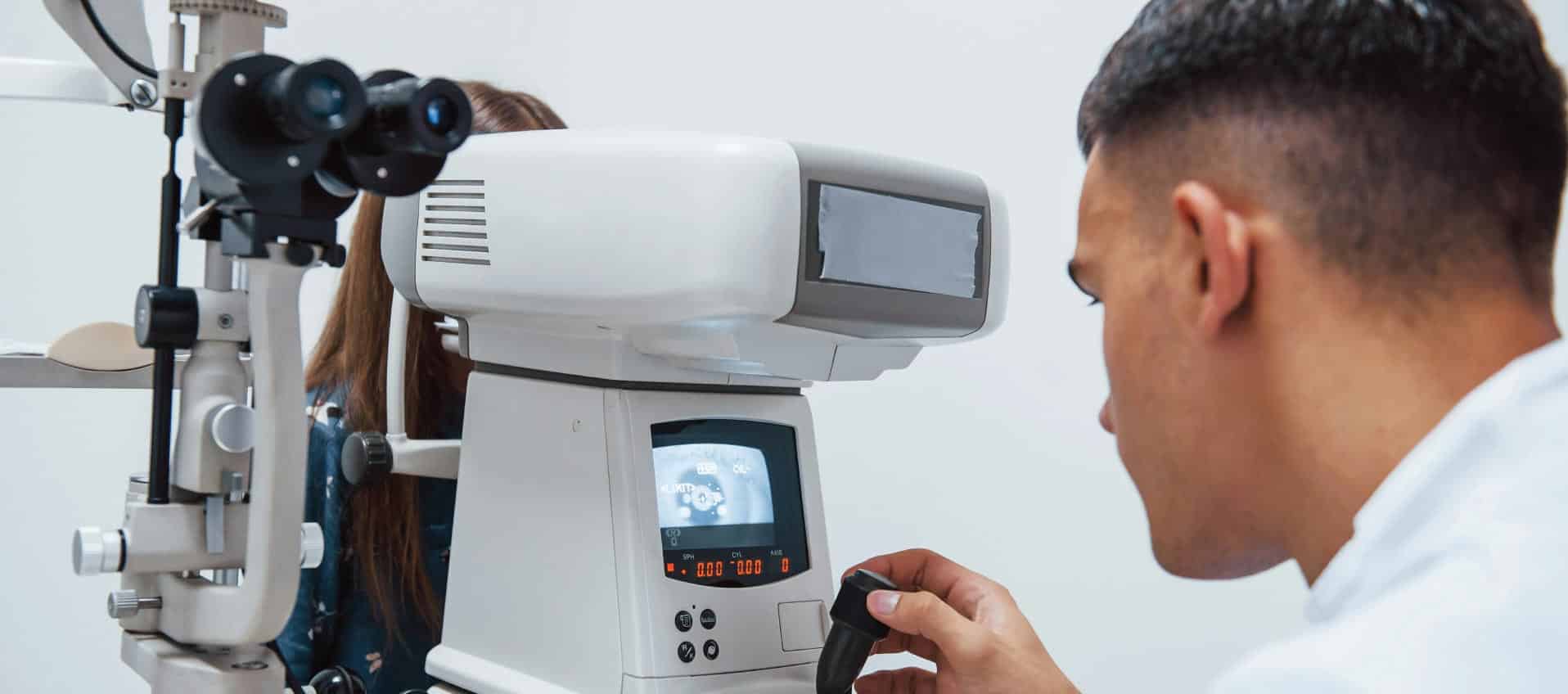
Modern eye emergency diagnosis relies on multiple assessment tools working together to create a complete clinical picture. Visual acuity testing establishes baseline function, while slit lamp examination reveals corneal damage, foreign bodies, and anterior chamber abnormalities requiring immediate intervention.
Fluorescein staining represents a critical diagnostic tool for identifying corneal abrasions and ulcerations invisible to standard examination. This specialized dye adheres to damaged epithelial cells, revealing injury patterns under ultraviolet light that guide treatment decisions and predict healing timelines.
Immediate Triage & History
Our emergency team performs rapid visual assessment, documents injury mechanism, and initiates pain management. Chemical exposures receive immediate irrigation while trauma cases undergo stabilization protocols. Visit our 24-hour urgent care facility any time for immediate evaluation.
Comprehensive Eye Examination
Specialized diagnostic equipment including slit lamp biomicroscopy, fluorescein staining, and tonometry provides detailed injury assessment. Digital imaging documents findings for treatment planning and specialist consultation when needed.
Emergency Interventions
Treatment ranges from foreign body removal and chemical neutralization to infection management and pain control. Our physicians utilize specialized instruments and medications to address specific injury types while preventing complications.
Follow-up Coordination
Patients receive detailed aftercare instructions, prescription medications, and referrals to ophthalmologists when specialized follow-up is indicated. Our team ensures continuity of care through comprehensive discharge planning.
Initial Assessment
Rapid triage, pain management, and immediate interventions for chemical or severe trauma cases.
Diagnostic Testing
Comprehensive examination using specialized equipment to identify injury extent and complications.
Treatment
Targeted interventions based on injury type, from foreign body removal to infection management.
Discharge Planning
Aftercare instructions, medications, and specialist referrals ensure continued healing.
Treatment Protocols for Eye Emergencies
Evidence-based treatment protocols guide our emergency interventions for optimal patient outcomes. Each eye emergency type requires specific approaches, from aggressive irrigation for chemical burns to delicate foreign body extraction techniques that preserve corneal integrity.
Infection Management Strategies
Bacterial conjunctivitis, corneal ulcers, and periorbital cellulitis require prompt antibiotic therapy to prevent vision-threatening complications. Our physicians select appropriate antimicrobial agents based on likely pathogens, resistance patterns, and individual patient factors.
Severe infections may require combination therapy with topical and systemic antibiotics. Our emergency room care includes intravenous medication administration when oral antibiotics prove insufficient for controlling aggressive infections.
Antibiotic Selection Criteria
Choosing appropriate antibiotics depends on infection location, severity, and patient allergies. Fluoroquinolone drops provide broad-spectrum coverage for most bacterial conjunctivitis cases, while fortified antibiotics may be necessary for corneal ulcers threatening vision.
Prevention and Aftercare Guidelines
Preventing eye injuries requires understanding common hazards in our West Texas environment and implementing appropriate protective measures. Industrial workers, outdoor enthusiasts, and anyone handling chemicals must prioritize eye safety through proper protective equipment and hazard awareness.
Following emergency treatment, proper aftercare determines healing success and prevents complications. Our comprehensive discharge instructions address medication schedules, activity restrictions, and warning signs requiring immediate return to the emergency room.
Eye Protection in the Permian Basin
The Permian Basin’s unique occupational and environmental hazards demand specific eye protection strategies. Oil field workers face risks from high-pressure equipment, chemical exposures, and flying debris, while outdoor workers contend with intense UV radiation and blowing sand.
Safety glasses meeting ANSI Z87.1 standards provide basic protection for most industrial applications. However, chemical handling requires sealed goggles preventing liquid splashes, while welding demands specialized filters blocking harmful radiation. Our urgent eye care near me services treat injuries that could have been prevented with proper protection.
Analysis of 1,000 workplace eye injuries in the Permian Basin revealed that 90% occurred when workers temporarily removed protective eyewear. Even brief exposure during equipment adjustments or cleaning can result in serious injuries requiring emergency treatment.
Analysis of 1,000 workplace eye injuries in the Permian Basin revealed that 90% occurred when workers temporarily removed protective eyewear. Even brief exposure during equipment adjustments or cleaning can result in serious injuries requiring emergency treatment.
Post-Emergency Follow-up Care
Successful recovery from eye emergencies depends on diligent follow-up care and medication compliance. Most corneal abrasions heal within 24-48 hours with proper treatment, while chemical burns may require weeks of specialized care to achieve optimal outcomes.
Warning signs requiring immediate return to the emergency room include increasing pain despite medication, vision deterioration, excessive discharge, or light sensitivity worsening after initial improvement. Our 24/7 availability ensures patients can access care whenever complications arise during recovery.
When to Seek Emergency Eye Care
Recognizing true eye emergencies versus conditions suitable for scheduled appointments can save vision and prevent unnecessary worry. Certain symptoms always warrant immediate emergency evaluation, while others may safely wait for regular office hours.
Immediate emergency care is essential for sudden vision loss, severe eye pain, chemical exposures, penetrating injuries, or light flashes with vision changes. These symptoms suggest conditions threatening permanent vision damage without prompt intervention at a properly equipped emergency facility.
| Symptom | Urgency Level | Recommended Action | Potential Consequences of Delay |
|---|---|---|---|
| Sudden vision loss | Critical – Immediate | Call 911 or visit ER immediately | Permanent blindness possible |
| Chemical in eye | Critical – Immediate | Irrigate continuously, ER immediately | Corneal scarring, vision loss |
| Penetrating injury | Critical – Immediate | Do NOT remove object, ER immediately | Infection, vision loss |
| Severe eye pain with nausea | Urgent – Within 1 hour | ER evaluation needed | Glaucoma damage if untreated |
| Foreign body sensation | Urgent – Same day | ER or urgent care visit | Corneal scarring, infection |
| Pink eye symptoms | Non-urgent | Can wait for office hours | Spread to others, prolonged symptoms |
Many patients delay seeking care for eye emergencies, hoping symptoms will improve. However, conditions like retinal detachment or acute glaucoma have narrow treatment windows. When in doubt, immediate evaluation can mean the difference between complete recovery and permanent vision loss.
Experiencing an Eye Emergency Right Now?
Don’t wait – Priority ER provides immediate eye urgent care 24/7. Our emergency physicians and specialized equipment are ready to treat your eye emergency.
Non-urgent eye conditions include gradual vision changes, mild irritation without pain, chronic dry eyes, or style formation. These problems benefit from scheduled appointments with eye care specialists rather than emergency evaluation, though any worsening symptoms warrant immediate reassessment.
Our pediatric emergency care team has special expertise treating children’s eye emergencies. Young patients often cannot articulate symptoms clearly, making professional evaluation crucial for any eye injury or sudden behavior changes suggesting vision problems.

Patient Satisfaction Scores – Eye Emergency Treatment
Weekend evening presentation: A 45-year-old Gardendale resident experienced sudden “curtain falling” vision loss in his right eye. Immediate evaluation revealed retinal detachment requiring urgent surgical referral. Our rapid diagnosis and coordination with retinal specialists preserved his vision through timely intervention.
Weekend evening presentation: A 45-year-old Gardendale resident experienced sudden “curtain falling” vision loss in his right eye. Immediate evaluation revealed retinal detachment requiring urgent surgical referral. Our rapid diagnosis and coordination with retinal specialists preserved his vision through timely intervention.
Frequently Asked Questions About Eye Urgent Care
| Question | Answer | Additional Information |
|---|---|---|
| What should I do if chemicals splash in my eye? | Immediately flush with water for 15-30 minutes while coming to the ER | Continue irrigation during transport; bring chemical container if possible |
| Can Priority ER remove metal from my eye? | Yes, we have specialized instruments for safe foreign body removal | Never attempt self-removal; embedded metal requires professional extraction |
| Do you treat children’s eye emergencies? | Yes, our pediatric-trained staff handles all ages | Child-friendly environment with age-appropriate equipment available |
| Should I remove contact lenses before coming? | Only if easily removable; we can safely remove stuck lenses | Bring contact case and solution; avoid forcing stuck lenses |
| What if I need an eye specialist? | We stabilize emergencies and coordinate specialist referrals | Direct admission capabilities to major hospitals when needed |
| How much does emergency eye care cost? | We accept major insurance; self-pay options available | Financial counselors available to discuss payment plans |
| Can you prescribe eye medications? | Yes, including antibiotics, steroids, and pain medications | On-site pharmacy partnerships for immediate prescription filling |
| What’s the wait time for eye emergencies? | Average under 15 minutes; true emergencies seen immediately | Severity-based triage ensures critical cases receive priority |
Sources Used
- American Academy of Ophthalmology – Eye emergency statistics and treatment guidelines
- American College of Emergency Physicians – Emergency eye care protocols and clinical guidelines
- National Institutes of Health – Recovery timeline research and clinical studies
Medical Disclaimer: This article is for informational purposes only and does not constitute medical advice. The information provided should not be used for diagnosing or treating health problems or diseases. It is not a substitute for professional medical care. If you have or suspect you have a health problem, you should consult your healthcare provider. Never disregard professional medical advice or delay seeking it because of something you have read in this article.
If you are experiencing a medical emergency, call 911 immediately or visit your nearest emergency room. For urgent but non-life-threatening conditions, Priority ER is available 24/7 at (432) 552-8208 or visit us at 3800 E 42nd St, Suite 105, Odessa, TX 79762.
Conclusion
Eye urgent care demands immediate professional evaluation to prevent permanent vision loss and ensure optimal recovery. Priority ER’s 24/7 emergency services, specialized diagnostic equipment, and board-certified physicians provide comprehensive treatment for all eye emergencies affecting Odessa, West Odessa, Midland, and surrounding communities.
Don’t risk your vision by delaying treatment. Whether facing chemical exposure, foreign body injuries, sudden vision changes, or severe eye pain, our emergency team stands ready to provide immediate, expert care. Call (432) 552-8208 or visit our facility at 3800 E 42nd St, Suite 105, Odessa, TX 79762 for immediate eye urgent care when every minute counts for preserving your sight.